Imagine a blockbuster drug losing its patent protection. You might expect the price to plummet immediately as competitors flood the market with cheaper copies. But often, something else happens first. The original brand-name manufacturer releases a version of their own drug under a generic label. This is an authorized generic, which is a pharmaceutical product marketed by the brand-name holder under a generic label, rather than by a third-party competitor. It’s a strategic move that has reshaped how we think about drug pricing and competition in the United States.
As we look at the landscape, the role of these products is shifting. They are no longer just a defensive shield for big pharma; they are becoming part of a more complex dance involving regulatory changes, domestic manufacturing incentives, and evolving patient savings goals. If you are trying to understand where this market is heading, you need to look beyond simple price cuts and into the strategy behind the timing.
What Exactly Are Authorized Generics?
To understand the future, we have to look at the mechanics. An authorized generic isn’t a knock-off made by a rival company. It is the exact same drug, made by the same company, but sold without the brand name packaging. Typically, it enters the market after a traditional generic competitor gets approval from the Food and Drug Administration (FDA).
The legal foundation for this practice lies in the Drug Price Competition and Patent Term Restoration Act of 1984, also known as the Hatch-Waxman Act. This law created the pathway for generic drugs via Abbreviated New Drug Applications (ANDAs). While designed to encourage competition, it inadvertently allowed brand manufacturers to bypass the lengthy ANDA process themselves by marketing their existing supply as "generic." Since January 1, 1999, the FDA has tracked these launches through annual reports, giving us data on a phenomenon that peaked in activity around 2014.
Why do companies do this? It’s about revenue preservation. By launching an authorized generic, a brand company can capture some of the market share that would otherwise go entirely to independent generic rivals. It allows them to maintain a presence in the marketplace while still offering a lower-cost alternative to patients who can no longer afford the branded price.
The Strategic Timing Game
The secret sauce of authorized generics isn’t the product itself-it’s the timing. Research published in Health Affairs in 2022 analyzed 854 authorized generic launches between 2010 and 2019. The findings reveal a calculated approach.
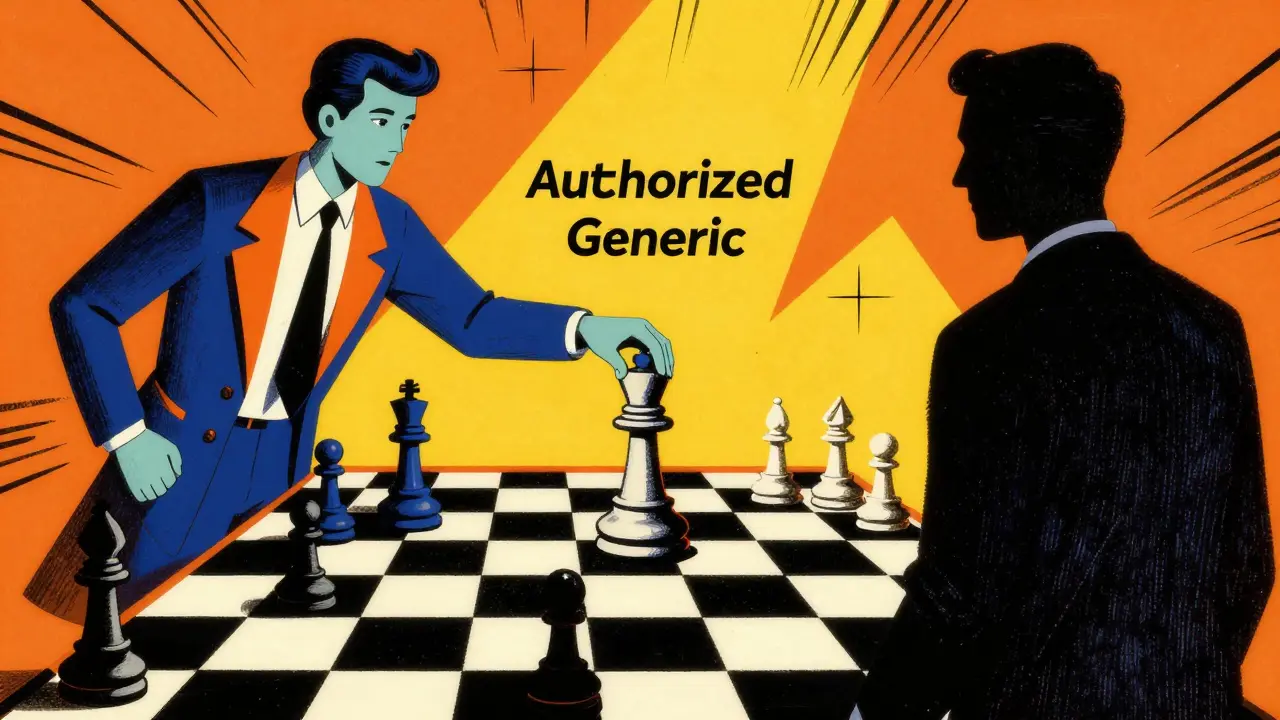
Three out of four authorized generics launched *after* the first traditional generic competitor was approved. Why wait? Because launching too early would mean cannibalizing their own high-margin brand sales. Instead, they wait until the threat arrives. Even more strategically, in markets where the first generic competitor was eligible for 180 days of market exclusivity, about 70% of authorized generics launched during or before that window. This effectively blunts the advantage of the exclusive period, forcing the traditional generic maker to compete with the brand owner right away.
This tactic works best for oral solid drugs-tablets and capsules. These products are easier to manufacture and approve via ANDA, making them prime targets for this strategy. Complex injectables or biologics don’t fit this model as neatly, which leaves room for different competitive dynamics in those sectors.
Market Dynamics in 2026 and Beyond
The pharmaceutical market is massive and growing. Projections from Nova One Advisor suggest the U.S. generic drug market will hit USD 196.90 billion by 2034, growing at a compound annual growth rate (CAGR) of 3.6% from 2025. This growth is fueled by a wave of patent expirations. According to DrugPatentWatch, between 2025 and 2030 alone, branded drugs generating $217 billion to $236 billion in annual sales will lose exclusivity.
In this environment, the role of authorized generics is evolving. For years, brand manufacturers used delays to maximize profits. However, a study reported by RAPS in June 2025 indicates that the practice of delaying authorized generic launches is declining. This shift suggests that market pressures, regulatory scrutiny, or perhaps internal corporate strategies are changing. Companies may be finding that holding back authorized generics no longer yields the expected return, especially when facing intense pressure from payers and policymakers.
| Feature | Traditional Generic | Authorized Generic |
|---|---|---|
| Manufacturer | Third-party competitor | Original brand-name holder |
| Approval Pathway | Abbreviated New Drug Application (ANDA) | Leverages existing NDA; no new ANDA needed |
| Timing | After patent expiry or settlement | Often timed to counter traditional generic entry |
| Primary Goal | Maximize market share via low cost | Preserve brand revenue and block competitors |
| Exclusivity Impact | May trigger 180-day exclusivity | Can undermine the value of competitor exclusivity |
Regulatory Shifts and Domestic Production
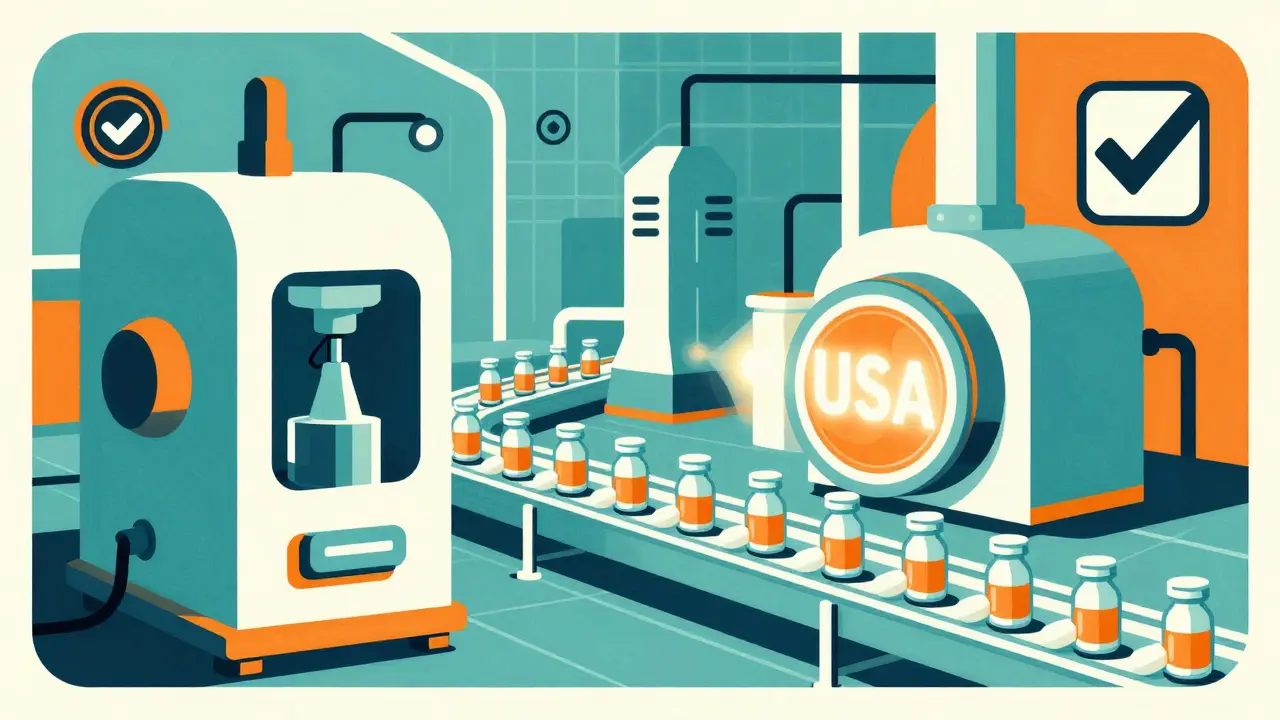
A major factor shaping the future of authorized generics is the push for domestic manufacturing. In October 2025, the FDA announced a novel pilot program to prioritize ANDA reviews for generic drugs that are manufactured and tested entirely in the United States. This policy shift aims to strengthen supply chain security and encourage investment in U.S.-based production.
How does this affect authorized generics? If brand manufacturers want to leverage this faster review pathway for their generic versions, they may need to restructure their supply chains. Currently, many authorized generics are produced overseas alongside the branded version. To qualify for priority review, a company might need to establish or expand domestic facilities. This adds a layer of complexity and cost to the authorized generic strategy. It could make the "quick and dirty" launch less attractive if significant infrastructure investment is required.
This aligns with broader trends in the generic Contract Research Organization (CRO) market, which is projected to grow from US$ 8.45 billion in 2024 to US$ 11.73 billion by 2034. As development becomes more sophisticated, the ease of launching an authorized generic may decrease unless companies adapt to new regulatory expectations.
The Cost of Delayed Competition
While authorized generics offer a lower price than the brand name, they are not always the cheapest option. Studies show they often price higher than traditional generics. A 2025 analysis in JAMA Health Forum highlighted that policies limiting market exclusivity extensions could save billions. It estimated that excess spending due to delayed competition would reach $2.5 billion in commercial plans and $2.4 billion in Medicare within three years post-exclusivity expiration.
Drugs like imatinib and celecoxib have shown how prolonged brand dominance-even with an authorized generic present-can drive up costs compared to a fully competitive generic market. The American Association of Managed Care Organizations (AAM) reported in 2025 that generic and biosimilar medicines created $467 billion in savings in 2024 alone. Biosimilars contributed $20.2 billion of that. As the market shifts toward complex biologics, the role of authorized generics may diminish because the regulatory pathway for biosimilars is distinct and doesn’t allow for the same "brand-to-generic" shortcut.
Future Outlook: What Lies Ahead?
Looking toward the end of the decade, the authorized generic space faces a crossroads. On one side, there is immense opportunity. With $25 billion in potential oncology and immunology biosimilar opportunities by 2029, the generic sector is booming. However, authorized generics are largely limited to small molecules. As the pipeline of high-revenue monoclonal antibodies loses exclusivity, the focus will shift to biosimilars, where authorized generic tactics are harder to deploy.
For small molecule drugs, the trend points toward greater transparency and speed. The decline in delayed launches suggests that brand manufacturers are either accepting faster erosion of their market share or finding new ways to compete that don’t rely on blocking traditional generics. The FDA’s emphasis on domestic production will likely filter out players who cannot invest in U.S. manufacturing, potentially consolidating the market among larger, well-capitalized firms.
Patients and payers should watch for two things: first, whether authorized generics continue to serve as a bridge to lower prices, or if they become a tool to delay true competition. Second, how the FDA’s pilot programs scale. If priority review for domestic generics becomes standard, we may see a surge in locally produced authorized generics, which could improve supply reliability but might not necessarily lower prices further.
Key Takeaways for Stakeholders
- Brand Manufacturers: The era of using authorized generics solely to block competitors is fading. Focus on domestic manufacturing capabilities to align with new FDA incentives.
- Generic Competitors: Expect authorized generics to remain a threat in oral solid dosage forms. Plan for rapid entry to capitalize on any gaps in the brand’s distribution network.
- Payers and Patients: Authorized generics offer savings over brand names but rarely match traditional generic prices. Formulary decisions should favor traditional generics when available.
- Investors: Watch the intersection of patent cliffs and domestic manufacturing investments. Companies adapting to the FDA’s new pilot programs may gain a competitive edge.
What is the difference between an authorized generic and a traditional generic?
An authorized generic is produced by the original brand-name manufacturer and sold under a generic label. A traditional generic is produced by a different company that files an Abbreviated New Drug Application (ANDA) to prove its product is bioequivalent to the brand. Authorized generics do not need to file a new ANDA because they use the brand's existing New Drug Application (NDA).
Why do brand companies launch authorized generics?
Brand companies launch authorized generics to capture market share from traditional generic competitors while maintaining some revenue stream after patent expiration. It allows them to offer a lower-priced option without completely ceding the market to rivals, often timing the launch to coincide with or precede the entry of traditional generics.
Are authorized generics cheaper than traditional generics?
No, authorized generics are typically priced lower than the brand-name drug but higher than traditional generics. They serve as a middle ground, allowing the brand manufacturer to retain higher margins compared to the intense price competition found in the traditional generic market.
How does the FDA's 2025 pilot program affect authorized generics?
The FDA's October 2025 pilot program prioritizes ANDA reviews for generics manufactured and tested in the U.S. This encourages domestic production. For authorized generics, this means brand manufacturers may need to invest in U.S.-based facilities to qualify for faster approvals, potentially increasing the cost and complexity of launching these products.
Will authorized generics become more common in the future?
Their prevalence may stabilize or decline in certain areas. Recent data shows a decline in delayed launches, suggesting changing strategies. Additionally, as more high-value drugs are complex biologics (which require biosimilars rather than generics), the scope for authorized generics narrows. They will likely remain relevant for small-molecule oral solids but face increased regulatory and competitive pressure.


Justina Ingram
May 20, 2026 AT 02:39ugh this is so typical big phma just trying to keep us broke lol. they make the drug then sell it cheaper under a diff name but its still them making money while we pay more than we should be. like wtf is the point if its not actually saving us real money? :/
Jeremiah Cassandra
May 20, 2026 AT 16:37You're missing the nuance here, my friend. 🧐 It's not about 'keeping you broke', it's about market equilibrium and risk mitigation for R&D costs. The authorized generic is a strategic hedge against total margin collapse when patent cliffs hit. Without that buffer, would these companies even invest in the next blockbuster? Probably not. So yes, it feels predatory, but it's the fuel for innovation. Or at least, that's the argument. 📉💊
charles robert
May 21, 2026 AT 18:22The concept of 'innovation' is a shackle we willingly wear. 🌑 These corporations are parasites feeding on the desperation of the sick. They claim they need profits to survive, yet their executives buy yachts while people skip doses. The authorized generic is merely a ghost limb-a phantom pain in the system that pretends to offer relief but only serves to prolong the agony of high prices. We are asleep at the wheel of our own demise. 😴💀
Warren Brewer
May 23, 2026 AT 11:36Hey everyone, let's try to look at this simply. It's like when a restaurant owner opens a food truck version of their menu. It's cheaper than the sit-down meal, but maybe not as cheap as the diner down the street. The goal is to keep customers from leaving entirely. It helps us understand why prices don't drop to zero overnight. We can all learn from how markets work without getting too angry. Just a thought to share with the group. 👍
Mark Ronson
May 24, 2026 AT 16:19I must say, the regulatory landscape is shifting significantly with the new FDA pilot programs mentioned in the article. While I often find myself prone to typos due to my enthusiasm, I believe this move towards domestic manufacturing is crucial. It adds a layer of complexity for brand manufacturers who wish to leverage priority review pathways. This could potentially consolidate the market among larger firms capable of such infrastructure investments. It is a formal matter requiring serious consideration by stakeholders in the pharmaceutical sector. 🏭🇺🇸
Mikey Mann
May 26, 2026 AT 09:01There is a silver lining in every cloud, isn't there? ☁️✨ While the current system feels rigged, the trend toward transparency and speed is promising. If brand manufacturers stop delaying launches, patients might see more stable pricing sooner. We have to trust that the market will correct itself over time. Every step toward domestic production and faster reviews brings us closer to a healthier future for everyone involved. Let's stay optimistic about the changes ahead! 🌈
Mollie Louise
May 28, 2026 AT 07:42I really appreciate how this article breaks down the complex dynamics of authorized generics because it helps us understand that while they aren't the cheapest option, they do serve as a bridge to lower prices compared to brand names, which is something we should all celebrate as a step forward in patient savings, especially since the decline in delayed launches suggests that brand manufacturers are either accepting faster erosion of their market share or finding new ways to compete that don’t rely on blocking traditional generics, and this shift could ultimately lead to better outcomes for payers and patients alike if we continue to advocate for transparency and efficiency in the pharmaceutical supply chain, so let’s keep supporting policies that encourage fair competition and innovation while ensuring that no one is left behind in the pursuit of affordable healthcare solutions for all members of our community! 💪🌟❤️
Christina Moran
May 28, 2026 AT 20:37i wonder if this means i can finally get my meds cheaper? the part about domestic manufacturing sounds good but im worried it will just raise costs more. also why does it take so long for prices to go down? feels like they know exactly what they are doing to keep us paying more than we should. anyway thanks for the info even tho its confusing af lol.