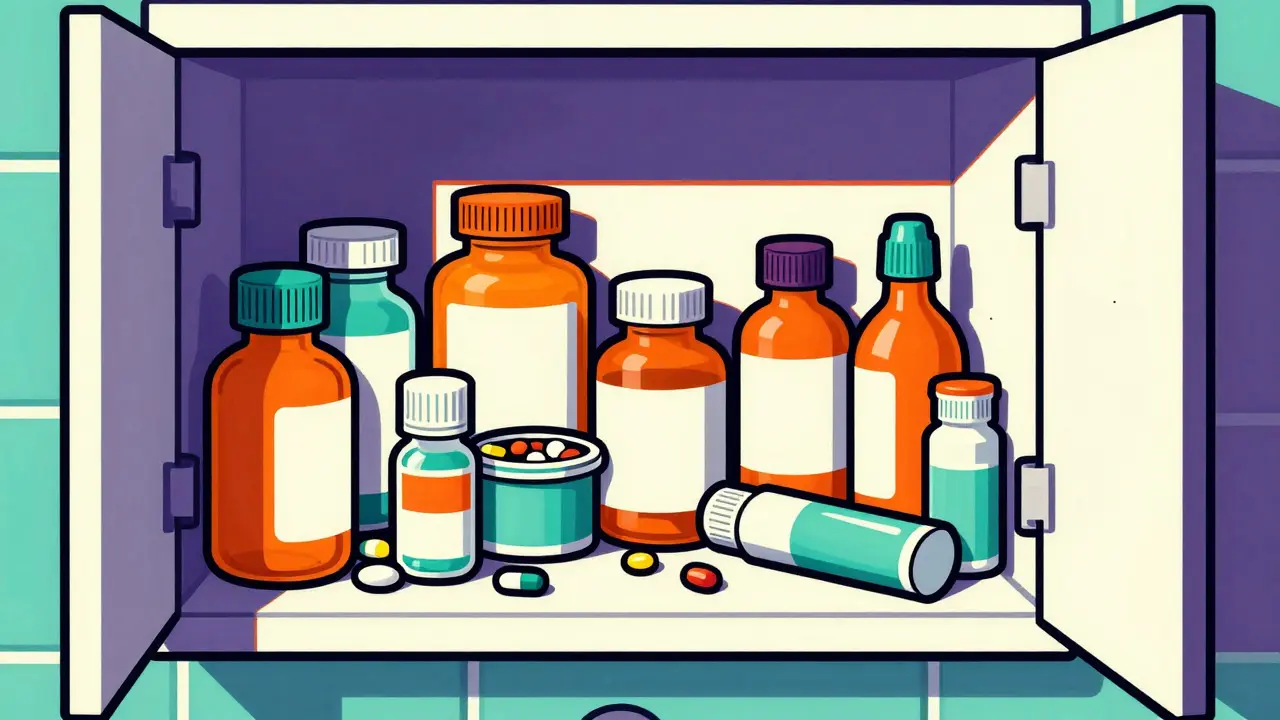
Look inside your bathroom cabinet or bedroom drawer right now. What do you see? Chances are, there’s a bottle of painkillers from that knee injury two years ago, some leftover antibiotics, or maybe an old prescription for anxiety that you stopped taking because it made you feel foggy. It happens to the best of us. We buy meds, we don’t finish them, and then they just sit there.
But those unused pills aren’t just taking up space. They’re potential hazards. If left out, they can be accidentally swallowed by kids or pets. If flushed down the toilet, they pollute our water supply. And if thrown in the trash, they might end up in landfills where chemicals leach into the soil. The good news? You have a better option than guessing how to get rid of them safely. Drug take-back programs exist specifically to handle this problem, offering a secure, eco-friendly way to dispose of unwanted medications.
Why Proper Disposal Matters More Than You Think
We often think of expired medicine as simply ineffective, but the risks go much deeper. According to the Centers for Disease Control and Prevention (CDC), drug poisoning deaths have skyrocketed in recent years, with over 100,000 Americans dying annually from overdoses. A significant portion of these involve prescription opioids found at home. When you leave unused prescriptions lying around, you’re not just cluttering your shelf; you’re creating a supply for accidental misuse by family members or theft by visitors.
Then there’s the environmental angle. Flushing medications was once the standard advice, but the Environmental Protection Agency (EPA) has shifted its stance. While flushing is still recommended for a tiny list of highly dangerous drugs (like certain fentanyl patches), doing so for everything else introduces pharmaceutical residues into our waterways. These chemicals affect aquatic life and can eventually make their way back into our drinking water sources. Drug take-back programs solve both problems: they keep drugs out of hands that shouldn’t have them and ensure they are destroyed without harming the environment.
How Drug Take-Back Programs Work
You might assume you need to wait for a special event to get rid of old meds, but the landscape has changed significantly. Under the Secure and Responsible Drug Disposal Act of 2010, the Drug Enforcement Administration (DEA) authorized a network of collection points that operate year-round. Here is how the system is structured:
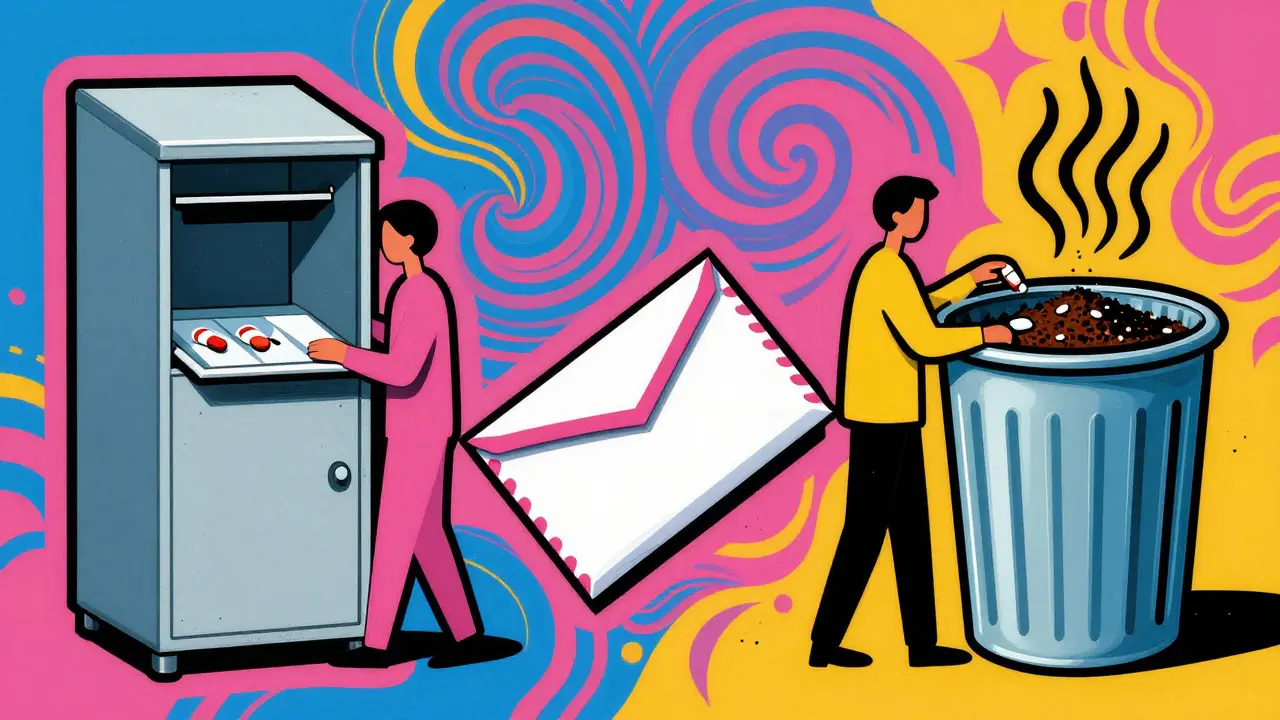
- Permanent Drop Boxes: These are secure, locked receptacles found in pharmacies, hospitals, police stations, and even some businesses. As of 2025, there are more than 16,500 of these locations across the United States. You can walk in anytime during business hours and drop off your meds.
- National Prescription Drug Take Back Days: Twice a year, usually in April and October, the DEA hosts massive nationwide events. In the most recent April 2025 event, nearly 4,500 law enforcement officials and 4,590 collection sites collected over 620,000 pounds of medication. These are great if you have a large volume of drugs to dispose of.
- Mail-Back Programs: For those who can’t drive to a drop box, mail-back kits offer a convenient alternative. You can buy postage-paid envelopes at retail pharmacies or receive them from community organizations. You seal your meds in the envelope and drop it in any mailbox.
The key difference between these methods is convenience versus immediacy. Permanent boxes are instant. Mail-back takes days. Events are bulk-focused. Knowing which one fits your situation saves time and stress.
What Can and Cannot Be Disposed Of
Not everything goes into the drop box. Understanding what is accepted prevents frustration when you arrive at a collection site. Most permanent receptacles accept:
- Prescription medications (pills, capsules, liquids)
- Over-the-counter (OTC) drugs like ibuprofen or acetaminophen
- Prescription patches (like nicotine or pain relief patches)
- Vitamins and supplements
- Pet medicines
However, there are strict exclusions. Do not try to dispose of the following in standard drop boxes:
- Hydrogen peroxide or other flammable liquids
- Compressed cylinders or aerosols (such as asthma inhalers)
- Iodine-containing medications
- Thermometers (due to mercury content)
- Alcohol-based products
- Illicit drugs (these should be turned in to law enforcement directly, not placed in public boxes)
If you’re unsure about a specific item, check the signage at the drop box or call the facility beforehand. Most boxes have clear labels listing accepted materials.
Preparing Your Medications for Disposal
Before you head to a drop-off location, a little preparation goes a long way. Privacy and safety are the main goals here. Here is the step-by-step process recommended by health authorities:
- Remove Personal Information: Peel off or black out the label on the prescription bottle. This protects your identity since the pharmacy receipt often contains your name, address, and insurance details.
- Keep Original Containers: If possible, leave the pills in their original bottles. This helps waste management teams identify what they are dealing with during destruction. If you’ve already dumped pills into a bag, that’s okay too-just make sure the bag is sealed tight.
- Seal Liquids: Pour liquid medications into a plastic bag or container to prevent leaks. You can mix them with an unappealing substance like coffee grounds or cat litter before sealing, though this is less critical if using a professional take-back service.
- Double-Bag if Necessary: If you’re using a mail-back kit, follow the instructions carefully. Usually, you place the meds in the provided pouch, seal it, and put it in the outer envelope.
Don’t worry about crushing pills unless you’re doing at-home disposal (which we’ll cover later). For take-back programs, keeping them intact is actually preferred for processing efficiency.
Finding a Collection Site Near You
One of the biggest barriers to proper disposal is simply not knowing where to go. Fortunately, finding a spot has never been easier. The DEA maintains an online database of all authorized collection locations. You can search by zip code to find the nearest pharmacy, hospital, or police station.
Major pharmacy chains like Walgreens have become hubs for disposal, operating thousands of in-store collection units. If you live near a military base, the Military Health System also offers dedicated take-back services for beneficiaries. For rural residents, options might be scarcer-only 42% of rural communities have the same density of collection sites as urban areas-but mail-back programs bridge this gap effectively.
If you prefer not to use the internet, call your local pharmacist. They are required to know about local disposal options and can often direct you to the closest permanent drop box or tell you when the next National Take Back Day is scheduled.
When Take-Back Isn’t an Option: At-Home Disposal
Despite the growth of take-back programs, only 37% of Americans live within five miles of a permanent collection site. If you’re stuck without access to a drop box or mail-back kit, you can dispose of medications at home, but you must do it correctly. The FDA and EPA recommend this method only as a last resort.
Here is the safe at-home protocol:
- Take the medication out of its container.
- Mix the pills or liquid with an undesirable substance like dirt, used coffee grounds, or cat litter. This makes the meds unappealing to children and animals.
- Place the mixture in a sealed plastic bag or container.
- Throw the sealed bag in your household trash.
- Scratch out all personal information on the empty prescription bottle before recycling or trashing it.
Remember: Flushing is generally discouraged unless the drug is on the FDA’s specific "flush list" of high-abuse-potential medications. When in doubt, choose the trash-and-mix method over the toilet.
The Impact of Proper Disposal
It’s easy to feel like one person’s handful of pills doesn’t matter. But the data tells a different story. Communities with robust, permanent take-back programs see a 25% higher participation rate in disposal efforts compared to those relying solely on temporary events. In Denton, Texas, studies linked drug take-back initiatives to a 17% reduction in unintentional poisonings.
By participating, you’re contributing to a cleaner environment and a safer community. You’re reducing the supply of diverted prescription drugs that fuel addiction and preventing chemical pollution in our water systems. It’s a small action with a ripple effect.
Do I need to crush my pills before putting them in a drop box?
No, you do not need to crush pills for official drug take-back programs. In fact, keeping them in their original form helps waste management facilities identify and process them more efficiently. Crushing is primarily recommended for at-home disposal methods where you mix meds with unappealing substances like coffee grounds.
Can I dispose of expired vitamins and supplements in drug take-back bins?
Yes, most permanent drop boxes and mail-back programs accept expired vitamins and dietary supplements along with prescription and over-the-counter medications. Check the signage at the specific collection point, but generally, these items are welcome.
Are drug take-back programs free?
Yes, dropping off medications at permanent DEA-authorized collection sites is always free for consumers. Mail-back envelopes may sometimes require purchase at retail pharmacies, but many community organizations and states provide them for free.
What happens to the medications after I drop them off?
Collected medications are transported to authorized medical waste facilities where they are destroyed via incineration. This high-heat process ensures that no active pharmaceutical ingredients enter the water supply or landfills, making it the most environmentally sound disposal method.
Is it safe to flush medications down the toilet?
Generally, no. The EPA advises against flushing most medications due to water pollution concerns. However, the FDA maintains a short list of approximately 15 drugs with high abuse potential that should be flushed if a take-back option is not immediately available. Always check the FDA’s flush list before using the toilet as a disposal method.