You pack your clothes, charge your devices, and double-check your itinerary. But have you thought about who might get their hands on your medication while you’re sleeping? It sounds paranoid, but it’s a real risk. Unintentional poisoning accounts for over 107,000 deaths in the U.S. annually, with prescription drugs involved in 93% of those cases. When you add theft or tampering into the mix, securing your meds becomes as critical as locking your front door.
Whether you are staying in a luxury suite or a budget hostel dorm, your health depends on keeping your prescriptions safe from theft, accidental ingestion by children, and regulatory scrutiny. This guide breaks down exactly how to protect your medications using industry-standard practices, from testing electronic safes to navigating strict international laws.
The Reality of Medication Theft in Accommodations
It is not just a fear; it is a documented trend. The U.S. Department of Justice’s 2021 National Drug Threat Assessment identified hotel rooms as common locations for prescription drug diversion. In fact, 17.3% of investigated cases involved medications stolen directly from travelers' accommodations. Why does this happen? Because many travelers treat pills like candy-leaving them open on nightstands or tossing them loosely into backpacks.
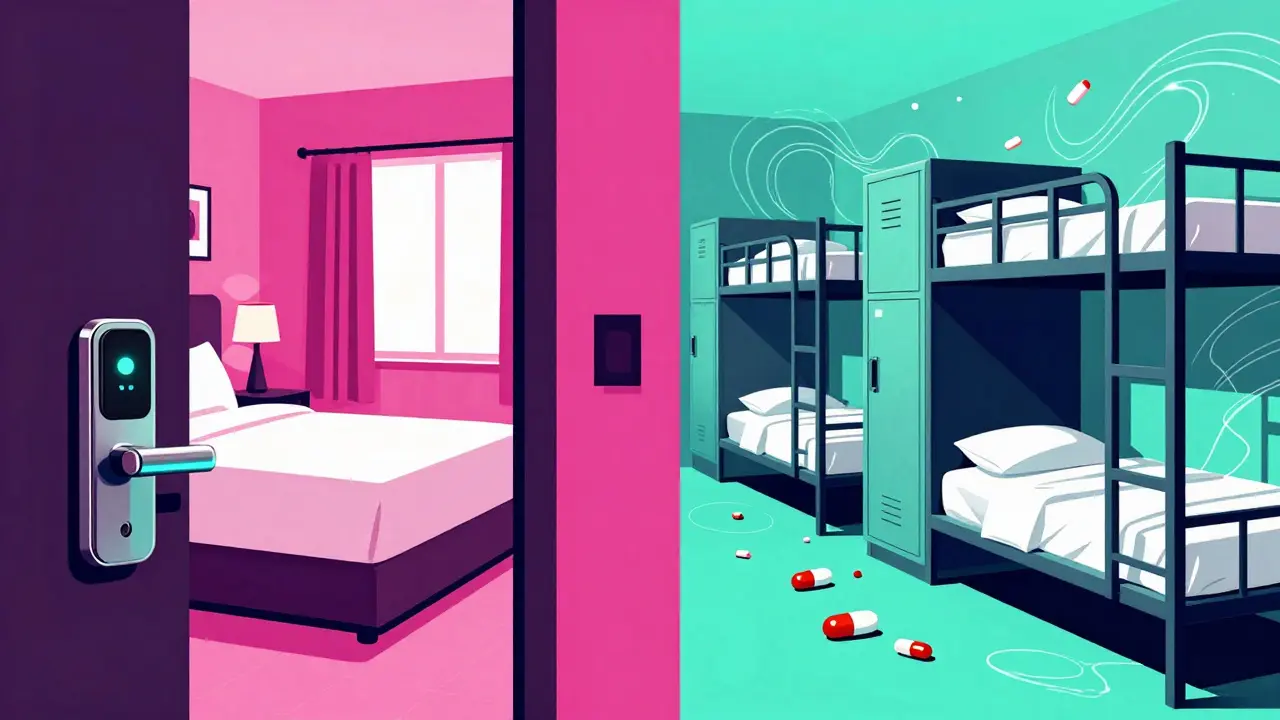
Hostels present an even higher risk profile. A 2022 study published in the Journal of Travel Medicine documented 14.3 incidents per 1,000 hostel stays involving medication theft or tampering. In shared dormitories, personal belongings are exposed to dozens of strangers. If you are traveling with controlled substances like ADHD medication or opioids, the stakes are higher because these drugs have black-market value.
| Feature | Hotels (U.S.) | Hostels (Global) |
|---|---|---|
| In-Room Safes Available | 92% | 38% (Private Rooms Only) |
| Theft/Tampering Rate | Low (varies by chain) | 14.3 per 1,000 stays |
| Primary Access Method | Electronic Key/Card | Physical Master Keys (89%) |
| Staff Training on Security | Mandatory (Major Chains) | Inconsistent |
Choosing the Right Storage Solution
Your first line of defense is physical containment. Never store medications in pill organizers or plastic bags during travel. These lack child-resistant features, which is dangerous if you are traveling with kids or if housekeeping staff accidentally moves your items. According to CDC data, children under 5 account for 45,000 emergency department visits annually due to unsupervised medication access. Always keep meds in their original pharmacy containers.
Once packed correctly, where do they go?
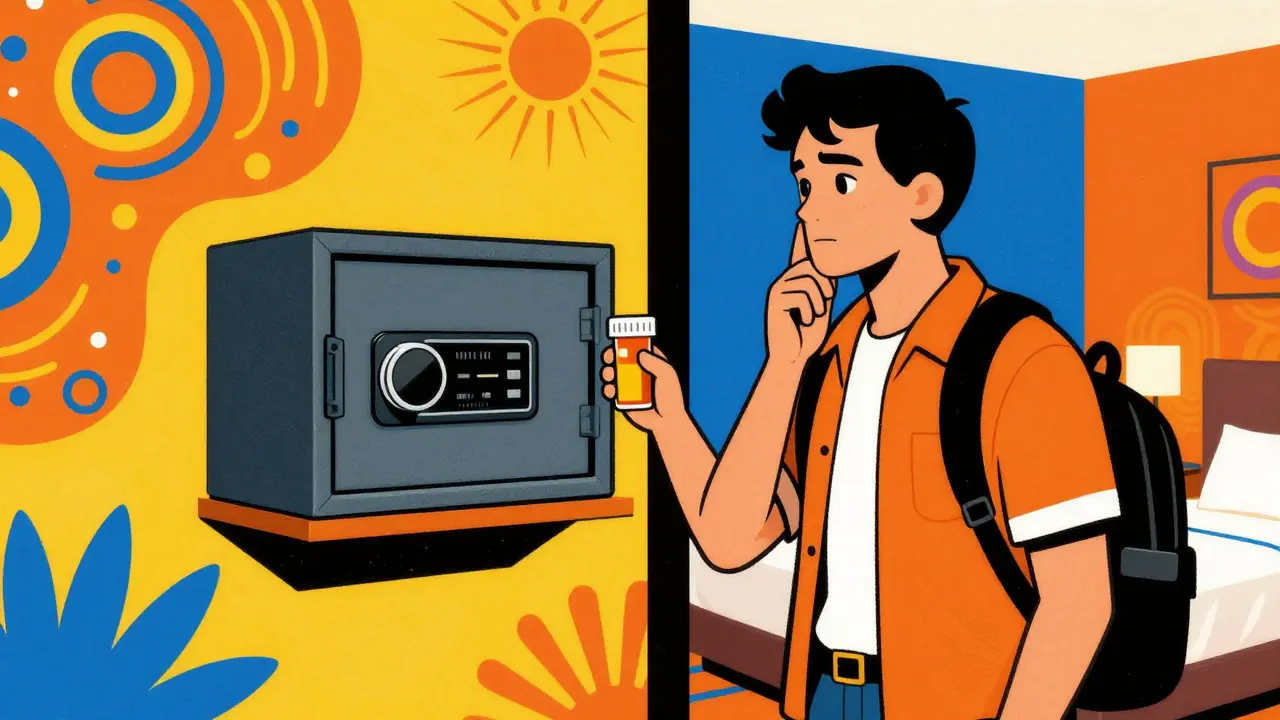
- In-Room Electronic Safes: This is the gold standard. According to SABRE’s 2022 Hospitality Security Benchmarking Study, electronic safes lock out after 30-60 seconds of failed attempts. However, don’t trust them blindly. OmniLert’s 2023 Hotel Security Report found that 18.7% of hotel safes malfunction due to battery issues. Test the safe immediately upon entering your room. Put a dummy item inside, lock it, and try to open it before storing your valuables.
- TSA-Approved Lock Boxes: If the hotel safe is broken or too small, use a portable lock box. Models like the Med-ico Secure Rx offer significant pull resistance. While UL-certified hotel safes take an average of 27.5 minutes to compromise, consumer-grade lock boxes can be breached in 8.2 minutes. They are better than nothing, but not perfect.
- Biometric Coolers: For insulin or temperature-sensitive drugs, a portable cooler with a biometric lock is essential. Dr. Emily Rodriguez documented a case where a diabetic traveler avoided a life-threatening situation during a power outage by using such a device.
Legal Compliance: Avoiding Customs Nightmares
Security isn’t just about thieves; it’s about the law. Many countries have zero-tolerance policies for prescription medications. The U.S. Department of State warns that improper storage can lead to confiscation or legal consequences abroad. In 2021, there were 214 documented cases where travelers faced legal issues simply because their meds weren’t in original containers.
To stay compliant:
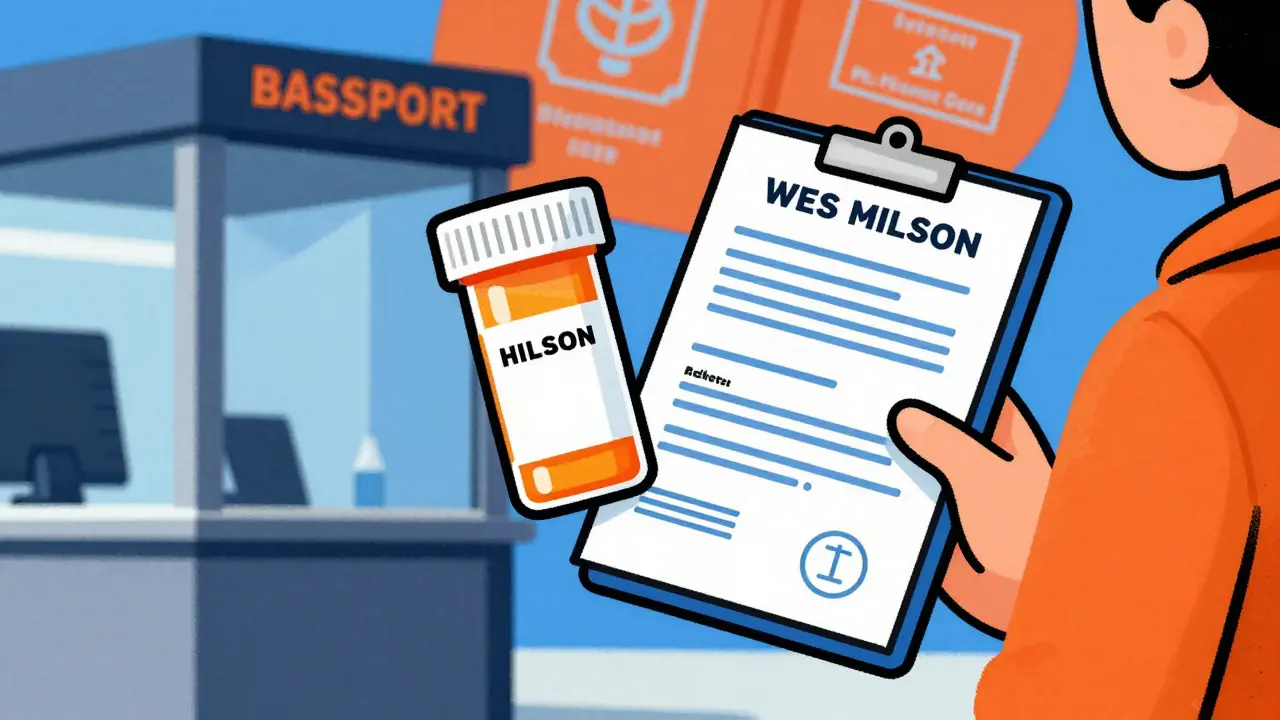
- Keep Original Labels: The DEA requires controlled substances to remain in original pharmacy containers with clear labels showing your name and the prescribing doctor.
- Carry a Copy of Your Prescription: Keep a digital and physical copy of your prescription in your carry-on bag.
- Check Local Laws: Some nations ban common OTC drugs like pseudoephedrine or certain painkillers. Check the embassy website of your destination before you fly.
If you are caught with loose pills in a ziplock bag, border agents may assume you are smuggling drugs. Fines can reach up to $15,000 per incident under U.S. regulations alone, and other countries may impose jail time.
Strategies for Hostel Travelers
Hostel travel is cheap, but it requires extra vigilance. Only 38% of private hostel rooms feature individual safes, and dormitory settings are high-risk zones. Here is how to adapt:
Request Private Rooms: Medication theft occurs 3.7 times more often in dormitories than in private rooms. If you must stay in a dorm, bring a small padlock for your locker. Ensure the locker is large enough to hold your medication box securely.
Use Digital Key Systems: Premium hostels are adopting systems like Cloudbeds Security Suite, which reduces unauthorized access by 72%. Look for hostels that advertise keyless entry or app-based locks. Avoid places that still rely on physical master keys held by receptionists, as these keys are often copied or lost.
Never Leave Meds Unattended: In a shared space, never leave your medication on a bunk bed or desk. Even for a quick shower, take your meds with you or lock them in a secured locker. Trustpilot reviews show that 28.4% of medication-related complaints in hostels cite "shared room storage insecurity" as the primary problem.
Emergency Access vs. Security
There is a trade-off between security and speed. Research shows travelers take 47 seconds on average to access a hotel safe, compared to 8 seconds for bedside storage. This delay matters if you have a medical emergency, such as an asthma attack or severe allergic reaction.
Follow this rule: Keep emergency medications on your person. Epinephrine auto-injectors (EpiPens), nitroglycerin, and rescue inhalers should always be in your pocket or purse, not locked away. Store your routine daily medications (like blood pressure pills) in the safe. This balances immediate accessibility with overnight security.
Daily Habits for Maximum Safety
Technology helps, but habits save lives. Implement these simple protocols:
- The 15-Minute Check: Upon check-in, verify safe functionality within 15 minutes. Test the lock mechanism and interior lighting. If it fails, report it to the front desk immediately and request a new room or safe.
- Daily Inventory: Mark Johnson’s 2023 guide notes that travelers who perform daily medication counts reduce discrepancies by 94%. Count your pills every morning. If one is missing, note it immediately. This helps distinguish between theft and accidental loss.
- Height Matters: If you cannot use a safe, store medications at least 5 feet off the floor. University of Florida research shows this reduces accidental child access by 82%.
- Document Everything: For controlled substances, maintain a log. Note the beginning balance, all receipts, and ending balance. This aligns with DEA Form 106 requirements and protects you if questioned by authorities.
What to Do If You Suspect Theft
If you discover your medication is missing, act quickly. First, ensure you haven’t misplaced it. Check your bags, pockets, and the bathroom. If it is truly gone:
- Contact Front Desk: Report the incident immediately. Ask for a written incident report. This is crucial for insurance claims and police reports.
- File a Police Report: Especially important for controlled substances. You will need this document to obtain a replacement prescription locally.
- Seek Medical Help: Visit a local clinic or hospital. Bring your prescription copies and identification. Explain the situation clearly.
- Contact Your Insurance: Notify your travel insurance provider. Many policies cover theft of essential medications, but only if you filed a police report.
Don’t panic, but don’t ignore it. Missing medication can disrupt your health regimen significantly. Having a backup plan, such as knowing the nearest pharmacy, is part of responsible travel.
Can I put my medication in checked luggage?
No. Always keep medications in your carry-on bag. Checked luggage can be lost, delayed, or exposed to extreme temperatures that ruin drug efficacy. Additionally, checked bags are more susceptible to theft without your supervision.
Are hotel safes really secure?
Most are, but not all. About 18.7% of hotel safes malfunction. Always test the safe before storing valuables. If it feels sticky, doesn't lock properly, or lacks a keypad, do not use it. Request a different room or ask for assistance from management.
What if I forget my safe code?
Contact the front desk immediately. Hotel staff usually have a master override code. Write your code down in a secure place, like a password manager app, so you don’t forget it. Do not write it on a piece of paper and leave it in the room.
Is it legal to carry liquid medication through airport security?
Yes. TSA and most international security agencies allow reasonable quantities of liquid medication in carry-on bags. Declare it at the checkpoint. It is best to keep it in its original container with a label to avoid delays.
How do I handle medication in a hostel dorm?
Use a personal lockbox or padlock for your locker. Never leave meds on your bunk. If possible, upgrade to a private room with a safe. Dorms are high-risk areas for theft, so constant vigilance is required.