
Anticholinergic Burden Calculator
Select Your Medications
Check all that apply from your daily regimen.Your ACB Score
Low Risk
No significant anticholinergic burden detected based on selections.
Imagine reaching for a common over-the-counter sleep aid or an allergy pill you’ve trusted for years, only to learn it might be quietly eroding your memory. It sounds like science fiction, but the link between anticholinergic medications and long-term cognitive decline is one of the most significant public health revelations of recent decades. These drugs, designed to treat everything from bladder control issues to depression, block acetylcholine-a neurotransmitter essential for learning and memory. While they offer immediate relief for physical symptoms, growing evidence suggests that prolonged use may come at a steep price: an increased risk of dementia.
Understanding Anticholinergic Burden
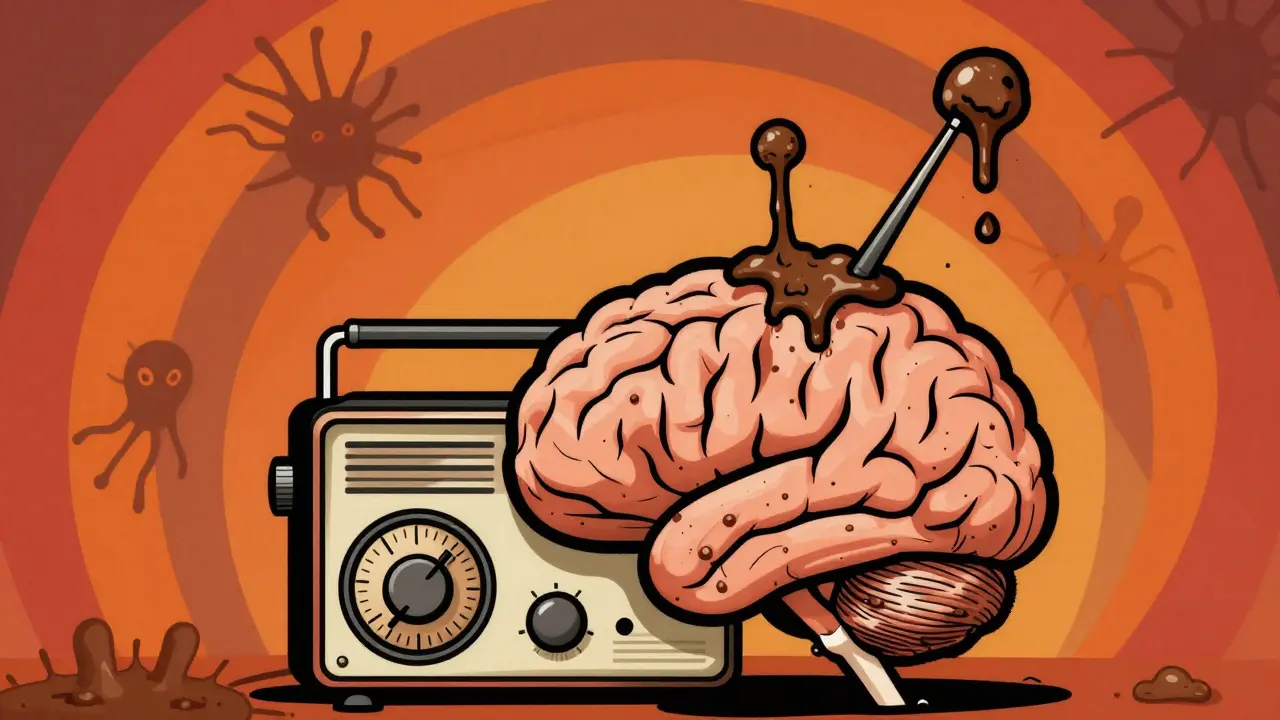
To grasp why these medications are concerning, we first need to understand what they do. Acetylcholine acts as a chemical messenger in your brain, helping neurons communicate. When you take an anticholinergic drug, it blocks the receptors that receive this signal. Think of it like putting mud on a radio antenna; the signal (acetylcholine) is still there, but your brain can’t pick it up clearly. This interference doesn’t just happen in the short term. Researchers now measure this cumulative effect using tools like the Anticholinergic Cognitive Burden (ACB) scale, which assigns scores to medications based on their potency and ability to cross the blood-brain barrier.
The concern isn't about taking a single dose of diphenhydramine (Benadryl) for a bad night's sleep. The danger lies in chronic, daily exposure. Many older adults unknowingly accumulate a high "burden" by combining multiple medications. For instance, someone might take amitriptyline for nerve pain, oxybutynin for an overactive bladder, and diphenhydramine for allergies. Individually, each seems harmless. Together, they create a toxic load on the central nervous system. Studies indicate that approximately 10-15% of adults aged 65 and older in the United States regularly use at least one such medication, representing millions of people potentially exposed to unnecessary risk.
The Evidence Linking Drugs to Memory Loss
You might wonder if this is just anecdotal worry or if hard data supports it. The research is robust and alarming. A landmark study published in JAMA Neurology followed participants over several years and found that those taking medications with medium or high anticholinergic activity performed significantly worse on memory and executive function tests compared to non-users. But the real shock came from brain imaging. These participants experienced 0.5-1.2% greater annual volume loss in critical brain regions like the hippocampus and amygdala-areas vital for memory formation and emotional regulation.
Another major study utilizing the French National Health Insurance database analyzed cumulative exposure using Defined Daily Doses (DDD). They discovered a clear dose-response relationship. Individuals who exceeded 1,095 total standard daily doses faced a 49% increased risk of developing dementia compared to those with no exposure. Even lower levels of exposure showed incremental risks, starting at a 6% increase for minimal usage. This isn't a correlation limited to one region; similar findings have emerged across diverse populations, suggesting a universal biological mechanism at play. The Alzheimer's Association estimates that reducing this exposure could potentially prevent 10-15% of dementia cases annually worldwide.
Not All Anticholinergics Are Created Equal
If you’re reading this while holding a prescription, don’t panic yet. Not all drugs in this class carry the same weight of risk. The impact depends heavily on the specific medication and its chemical structure. Tertiary amines, for example, penetrate the blood-brain barrier more easily than quaternary ammonium compounds. This means some drugs affect your brain significantly more than others.
| Drug Class | Common Examples | Adjusted Odds Ratio (Risk Increase) |
|---|---|---|
| Antidepressants (Tricyclics) | Amitriptyline, Imipramine | 1.29 (29% higher risk) |
| Antipsychotics | Olanzapine, Quetiapine | 1.20 (20% higher risk) |
| Bladder Antimuscarinics | Oxybutynin, Solifenacin | 1.13 - 1.23 (13-23% higher risk) |
| Antiparkinson Drugs | Benzhexol, Trihexyphenidyl | 1.10 (10% higher risk) |
| Low-Risk Alternatives | Trospium, Mirabegron | No significant association |
As shown above, tricyclic antidepressants like amitriptyline carry the highest statistical risk. Bladder medications like oxybutynin also pose significant threats, whereas newer alternatives like trospium or mirabegron show little to no association with dementia. This distinction is crucial because it highlights that switching medications, rather than stopping treatment entirely, is often the safest path forward.
Why Doctors Still Prescribe Them
If the risks are this high, why are these drugs still so common? The answer lies in the complexity of medical decision-making and historical inertia. For decades, these medications were considered safe because their side effects-dry mouth, constipation, blurred vision-were deemed minor compared to the benefits of symptom relief. Furthermore, cognitive decline is slow and insidious. It’s easy to attribute forgetfulness to "normal aging" rather than a medication taken five years ago.
There is also a gap in clinical screening. A survey by the American Geriatrics Society found that only 37% of primary care physicians routinely screened for anticholinergic burden when prescribing to patients over 65, despite 89% acknowledging the theoretical risks. Many doctors lack the time or tools to calculate ACB scores during a brief appointment. Additionally, for conditions like severe neuropathic pain or refractory insomnia, the immediate quality-of-life improvement provided by these drugs can outweigh the abstract, long-term risk of dementia in the eyes of both patient and provider. However, as awareness grows, guidelines like the Beers Criteria® explicitly recommend avoiding strong anticholinergics in older adults.
How to Protect Your Brain Health
You have power in this situation. You don’t have to wait for a diagnosis to act. Here are practical steps to reduce your anticholinergic burden:
- Audit Your Medicine Cabinet: Look for OTC sleep aids containing diphenhydramine or doxylamine. These are among the most commonly misused anticholinergics. Switch to melatonin or cognitive behavioral therapy for insomnia (CBT-I), which has proven effective without cognitive side effects.
- Ask About Alternatives: If you are prescribed a tricyclic antidepressant, ask if an SSRI (like sertraline or escitalopram) would work for your anxiety or depression. SSRIs have negligible anticholinergic activity. For bladder issues, inquire about beta-3 agonists like mirabegron.
- Deprescribe Gradually: Never stop these medications abruptly. Sudden cessation can cause withdrawal symptoms or a rebound of original symptoms. Work with your doctor to taper off slowly over 4-8 weeks, monitoring for any return of issues.
- Use Digital Tools: Some electronic health records now integrate anticholinergic burden calculators. Ask your provider if they check this score. You can also find online lists of high-risk medications to review before your next pharmacy run.

Real-Life Impact and Patient Stories
Data tells one story, but personal experiences bring it home. In online support communities, caregivers frequently share stories of sudden clarity after medication changes. One user recounted how their mother’s Mini-Mental State Examination (MMSE) score dropped from 28 to 22 over three years while on amitriptyline. After discontinuing the drug under medical supervision, her cognitive decline stabilized. While she didn’t fully recover lost points, the progression halted. Another common theme is the surprise patients feel upon learning their allergy pill was contributing to their "brain fog." These anecdotes reinforce the clinical data: the brain is resilient, and removing the toxic load can preserve remaining function.
The Future of Care
The landscape is shifting. Regulatory bodies like the FDA and European Medicines Agency have begun adding stronger cognitive risk warnings to medication labels. Initiatives like the Anticholinergic Risk Reduction Initiative aim to cut inappropriate prescribing by 50% by 2027. Meanwhile, pharmaceutical companies are developing new treatments specifically designed to avoid crossing the blood-brain barrier. We are moving toward an era where effective symptom management no longer requires sacrificing cognitive health. Until then, vigilance is your best defense.
Can stopping anticholinergic medications reverse dementia?
Stopping these medications cannot cure existing dementia or Alzheimer's disease, as structural brain damage is often irreversible. However, discontinuing them can halt further cognitive decline caused by the drug and may improve attention and processing speed in the short term. Early intervention is key to preserving remaining brain function.
Are over-the-counter sleep aids dangerous for seniors?
Yes, particularly those containing diphenhydramine (e.g., Benadryl, ZzzQuil) or doxylamine. These are potent anticholinergics. Regular use in older adults is linked to confusion, falls, and increased dementia risk. Experts recommend avoiding them for chronic insomnia and seeking non-drug therapies instead.
What is the Anticholinergic Cognitive Burden (ACB) scale?
The ACB scale is a tool used by healthcare providers to quantify the risk of cognitive impairment from medications. Drugs are scored from 0 (no known affinity) to 3 (high affinity/potency). A total score of 3 or higher indicates a significant risk of cognitive decline and warrants a medication review.
Which bladder medications are safer for brain health?
Traditional antimuscarinics like oxybutynin and tolterodine carry high risks. Safer alternatives include trospium, which has low blood-brain barrier penetration, and mirabegron, which works through a different mechanism (beta-3 adrenergic agonist) and has an ACB score of 0.
Should I stop my current medication immediately?
No. Abruptly stopping anticholinergic medications can cause withdrawal symptoms or a severe return of the condition being treated (such as pain or urinary incontinence). Always consult your doctor to create a gradual tapering plan tailored to your health needs.