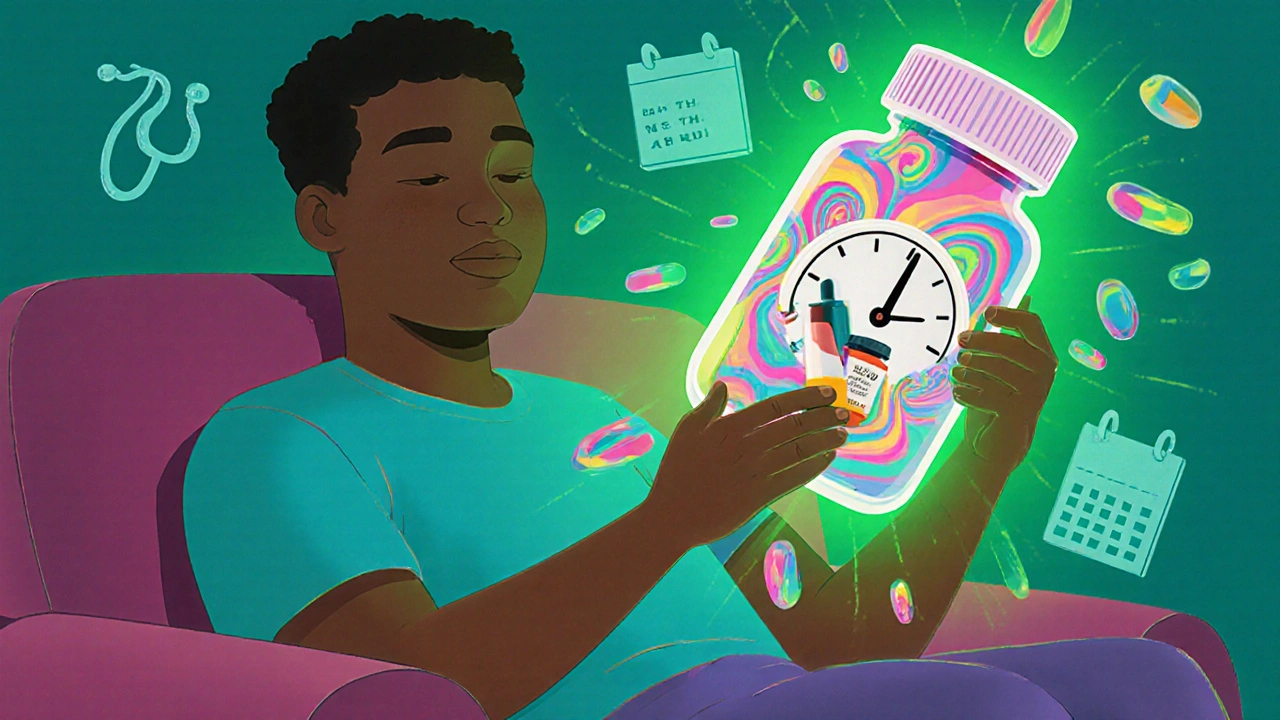
Stopping your medication might sound like a bad idea - and often, it is. But what if taking a planned, short break from your drug could actually improve your life? This isn’t about skipping pills because you feel fine or forgot your bottle. This is about drug holidays: a controlled, doctor-approved pause in treatment designed to reduce side effects, reset your body’s response, or improve quality of life. It’s not for everyone. And it’s not something you should ever try on your own.
What Exactly Is a Drug Holiday?
A drug holiday is a temporary, planned stop in taking a prescribed medication - usually lasting from a few days to a few weeks - done under medical supervision. It’s not quitting. It’s not ignoring your doctor. It’s a strategy, like adjusting your workout routine to avoid burnout. The goal? To give your body a break from the drug’s effects so side effects ease up, tolerance doesn’t build, or you can test whether you still need the medication at all. This idea first gained attention in the 1990s with HIV treatment, where doctors wondered if interrupting antiretrovirals might help the immune system recover. But the 2006 SMART trial, which followed over 5,000 people across 33 countries, proved it was dangerous. Those who took breaks had higher rates of infections, heart problems, and death. Today, drug holidays are off the table for HIV - but they’re still used in other areas, carefully.Where Drug Holidays Actually Work
Not all medications are the same. Some respond well to short breaks. Others can kill you if you stop suddenly. The key is the drug’s half-life - how long it stays active in your body - and how your brain or body reacts to its absence. Antidepressants, especially SSRIs, are the most common candidates. Drugs like fluoxetine (Prozac) have a long half-life - up to six days - which makes short breaks safer. Many people on SSRIs struggle with sexual side effects: low libido, trouble reaching orgasm. Weekend drug holidays - skipping pills Friday night to Sunday night - have helped 65% of patients in studies, with no major drop in mood. One user on PatientsLikeMe said, “Two days off Prozac restored intimacy without noticeable mood changes.” That’s the sweet spot: a tiny pause, big quality-of-life gain. ADHD stimulants like methylphenidate (Ritalin) and amphetamines (Adderall) are another area where holidays happen - mostly in kids. Parents often stop meds during summer break or holidays, hoping to avoid appetite loss or growth delays. But here’s the catch: 78% of children show clear symptom rebound. They become more impulsive, distracted, or emotionally volatile. One mom told the Child Mind Institute her son had three ER visits in one summer because he ran into the street chasing his dog. Without meds, his impulse control vanished. Schools don’t need him to be perfect - but parks, camps, and family dinners do.When Drug Holidays Are a Bad Idea
Some drugs should never be stopped abruptly. Ever. Stopping beta-blockers suddenly can trigger heart attacks. Stopping anticonvulsants can cause seizures. Stopping steroids can crash your adrenal system. These aren’t risks - they’re emergencies. Even for drugs where holidays are possible, timing matters. Paroxetine (Paxil), an SSRI, has a half-life of just 21 hours. Stopping it for even two days can cause brain zaps, dizziness, nausea, and anxiety. Fluoxetine? You can skip a few days. Paroxetine? Don’t even think about it. Parkinson’s patients used to take drug holidays in the 1980s to reset dopamine receptors. But by the mid-90s, studies showed these breaks caused worse tremors, stiffness, and hospitalizations. Today, doctors avoid them entirely. The same goes for HIV. The science is clear: consistency saves lives.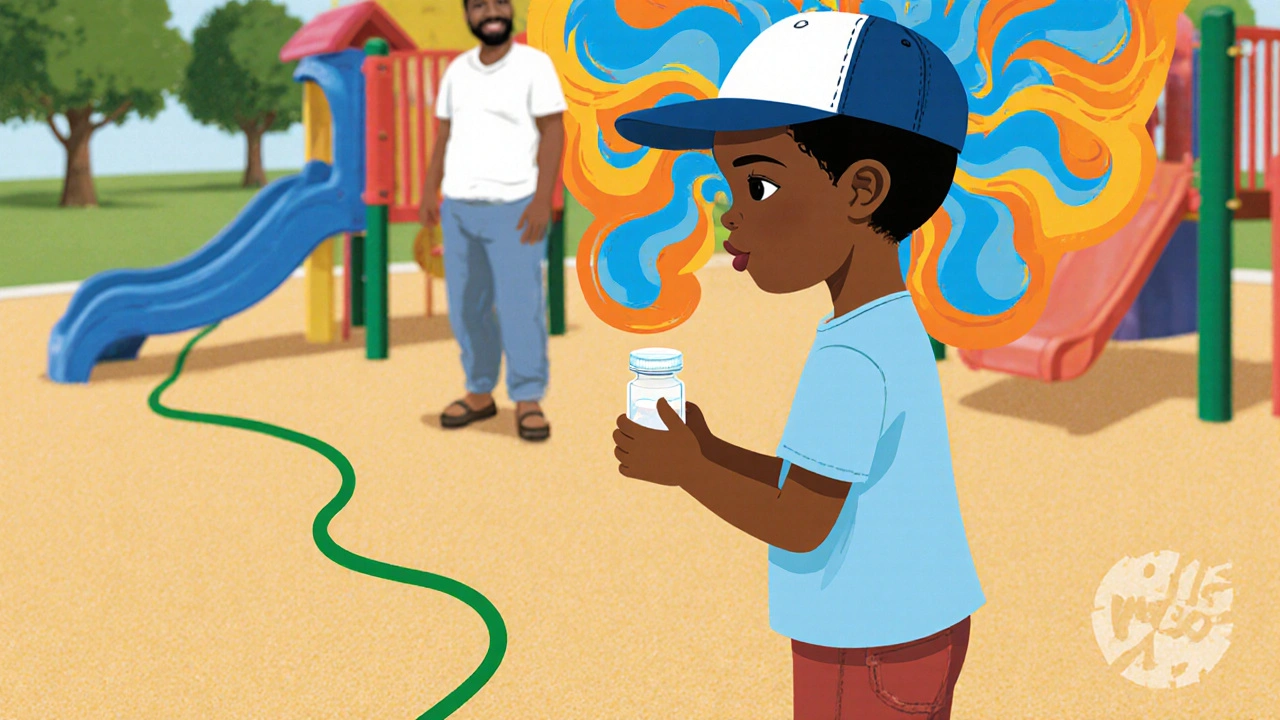
Who Should Consider a Drug Holiday?
Not everyone. But if you’re on long-term medication and experiencing side effects that are wearing you down, it might be worth talking to your doctor. Here’s who benefits most:- People on SSRIs with persistent sexual dysfunction
- Children on ADHD meds with noticeable growth delays (15-20% of cases)
- Patients who’ve been stable on antidepressants for at least 6 months
- Those whose side effects are affecting relationships, sleep, or daily joy
How to Do a Drug Holiday Safely
If you and your doctor agree a break makes sense, here’s how to do it right:- Wait until you’ve been stable on the medication for at least 6 months.
- Track your symptoms for 4-8 weeks before starting - mood, energy, side effects.
- Choose a short window: 48-72 hours for SSRIs, 2-4 weeks for ADHD meds during school breaks.
- Use pharmacokinetics to your advantage. Pick drugs with long half-lives.
- Set clear triggers to restart: “If I’m crying daily for two days, I’m back on meds.”
- Inform caregivers. If it’s a child, teachers, coaches, and babysitters need to know what to watch for.
- Have a 72-hour follow-up with your provider after the break.
The Real Cost of Unsupervised Breaks
The biggest danger isn’t the break itself - it’s the lack of oversight. On Reddit, parents describe “summer sabotage” - meltdowns, accidents, ruined vacations. On Drugs.com, users report “brain zaps” and panic attacks after skipping pills without warning. The CDC says 61% of emergency visits for medication problems come from people who stopped on their own. That’s not a side effect - that’s a failure of communication. Doctors don’t always bring it up. Patients don’t know how to ask. And so, people suffer in silence - or end up in the ER.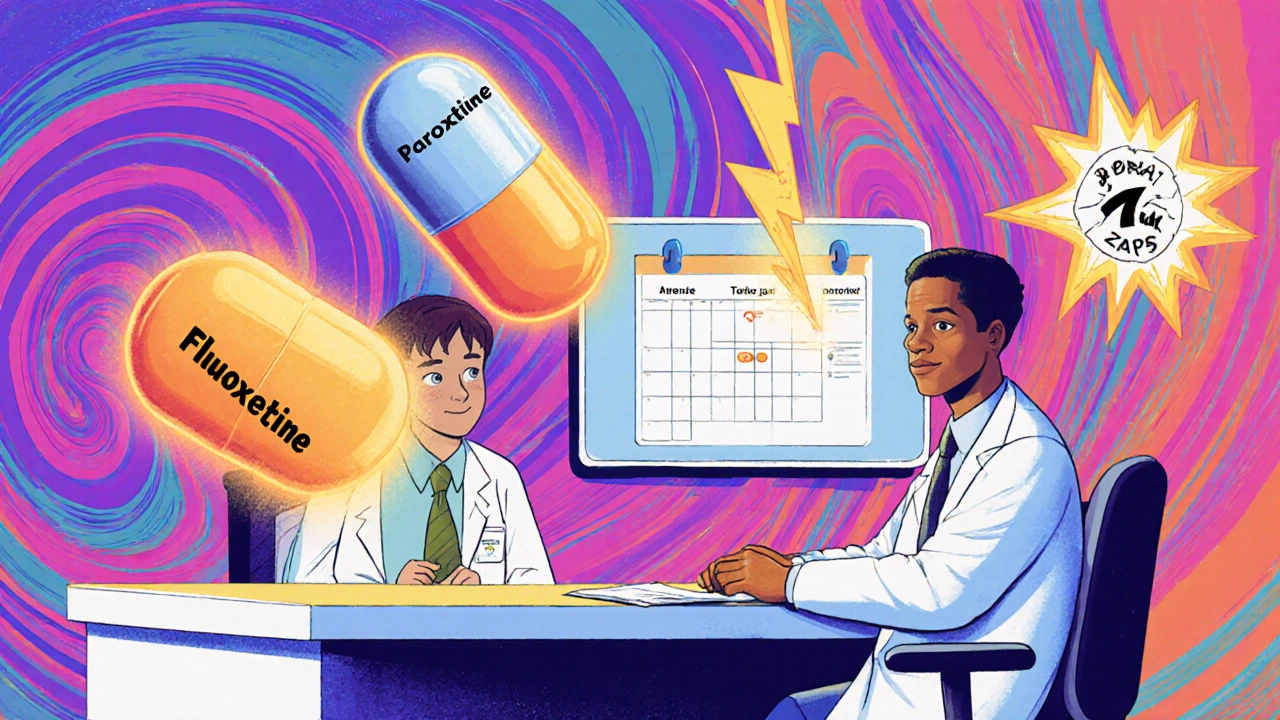
What’s Changing Now
The field is evolving. In 2023, the FDA approved a new extended-release version of bupropion with built-in “holiday windows” - designed to let patients take a few days off without crashing. The NIH launched the SPRINT trial in 2024, testing personalized drug holidays using genetic testing to predict who can safely pause meds. And most major electronic health record systems - Epic, Cerner - now have holiday tracking tools built in. Telehealth platforms like Cerebral and Done are seeing 40% year-over-year growth in consultations for structured medication breaks. That’s not because people are flaking on prescriptions. It’s because doctors are finally listening - and offering smarter options.Bottom Line: It’s Not About Skipping Pills - It’s About Smart Management
A drug holiday isn’t a vacation from your health. It’s a tool. Used right, it can restore your sex life, reduce nausea, or help a child enjoy summer without feeling like a different person. Used wrong, it can cost you your stability, your safety, or worse. If you’re thinking about a break, talk to your doctor. Bring your concerns. Show them your symptoms. Ask: “Is this something we can plan? What are the risks? What are the signs I need to restart?” Medication isn’t a one-size-fits-all fix. Sometimes, the best way to keep taking it is to take a little break - the right way, at the right time, with the right support.Can I take a drug holiday on my own if I feel fine?
No. Stopping medication without medical supervision can cause dangerous withdrawal symptoms, rebound effects, or even life-threatening complications - especially with antidepressants, ADHD meds, seizure drugs, or blood pressure medications. Even if you feel fine, your body may still depend on the drug. Always consult your doctor before making any changes.
Which antidepressants are safest for a weekend break?
Fluoxetine (Prozac) is the most commonly used SSRI for short breaks because of its long half-life (4-6 days), which reduces withdrawal risk. Other SSRIs like sertraline or escitalopram may be used cautiously, but paroxetine and venlafaxine are risky due to short half-lives and high withdrawal potential. Always check with your prescriber - not all SSRIs are equal.
Do drug holidays help with ADHD medication side effects like appetite loss?
Yes - in some cases. About 15-20% of children on ADHD stimulants experience slowed growth or appetite suppression. A summer break (6-8 weeks) can help them catch up. But 78% of these children show worse behavior, focus, or emotional control during the break. The trade-off must be weighed carefully. Many doctors recommend low-dose maintenance during breaks instead of full stops.
What are the signs I need to restart my medication after a break?
Watch for: mood swings, irritability, racing thoughts, trouble sleeping, loss of focus, or physical symptoms like dizziness or “brain zaps.” For ADHD, watch for impulsivity, aggression, or accidents. For depression, watch for crying spells, hopelessness, or withdrawal. If any of these last more than 48 hours, restart your medication and contact your doctor immediately.
Are drug holidays covered by insurance?
Insurance doesn’t cover the holiday itself - but it does cover the doctor visits, monitoring, and follow-ups required to do it safely. Many telehealth platforms now offer structured medication management plans that include holiday planning, often covered under mental health benefits. Ask your provider about billing codes for “medication adjustment visits” or “treatment interruption counseling.”
Can I take a drug holiday if I’ve had depression before?
If you’ve had multiple depressive episodes, a drug holiday is generally not recommended. Studies show 33% of people with a history of recurrent depression relapse within two weeks of stopping their SSRI. The risk of a severe episode outweighs the potential benefit of reduced side effects. Your doctor may suggest alternative strategies, like switching medications or adding therapy, instead.
What to Do Next
If you’re considering a drug holiday, start by writing down:- Which side effects are bothering you most?
- How long have you been on this medication?
- Have you ever had a relapse after stopping before?
- Who in your life needs to know if your behavior changes?

Aishwarya Sivaraj
November 28, 2025 AT 08:38Been on fluoxetine for 4 years and did a 72-hour break last summer just to see if my libido would come back
It did
And no crash
My doc was shocked but glad i tracked everything
Now i do it every 3 months
Not for everyone but if your half life is long and you’re stable
It’s worth the conversation
steve stofelano, jr.
November 29, 2025 AT 13:00While the concept of pharmacological interruption may offer certain clinical advantages in select populations, one must exercise the utmost caution, as the potential for iatrogenic harm is substantial and well-documented in longitudinal studies such as the SMART trial.
It is imperative that any deviation from prescribed therapeutic regimens be undertaken only under the direct supervision of a licensed clinician with expertise in psychopharmacology.
Public discourse must not inadvertently normalize self-initiated medication cessation, which may lead to preventable morbidity and mortality.
sharicka holloway
November 29, 2025 AT 22:19I’m a therapist and I’ve seen this go both ways
Parents who think summer break = med break for their ADHD kid often don’t realize how much their child’s behavior changes
It’s not just ‘being a kid’ - it’s impulsivity that leads to accidents, meltdowns, even getting kicked out of camp
And then they come back in August and wonder why the school says they’re ‘worse than ever’
Low-dose maintenance during breaks? Often a better call
Edward Batchelder
December 1, 2025 AT 12:31Look, I get it - meds can feel like a cage sometimes, especially when you’re tired of feeling numb or like your sex life is on vacation forever.
But here’s the thing: if you’re thinking about a drug holiday, you’re already in the right headspace - you’re asking questions, you’re not just quitting.
That’s huge.
Too many people just stop because they ‘feel fine’ - and then they’re in the ER with brain zaps and panic attacks wondering why no one warned them.
Doctors need to bring this up more often - it’s not about compliance, it’s about quality of life.
And if you’re stable for six months? And you’ve got a plan? And you’re tracking symptoms? And you’ve got someone to call if things go sideways? Then yeah - maybe it’s okay.
But only if it’s planned.
Not random.
Not because you forgot your pills.
Not because your partner said ‘you’re not yourself.’
Because you and your doctor sat down and said - let’s test this.
That’s not rebellion.
That’s responsibility.
reshmi mahi
December 3, 2025 AT 07:58India has 1.4 billion people on SSRIs and no one even knows what a drug holiday is 😂
Doctors here just say ‘take it daily or die’
Meanwhile in the US you’re planning weekend breaks like it’s a Netflix binge
But hey at least you have doctors who care enough to discuss it 😏
Meanwhile my cousin stopped sertraline ‘because she felt better’ and ended up in a psych ward for 3 weeks
So yeah - do it right or don’t do it at all
laura lauraa
December 5, 2025 AT 07:38How dare you suggest that people should be allowed to ‘take a break’ from their antidepressants?
Are you not aware that depression is a chronic, relapsing, neurobiological disorder?
Every time someone ‘tests’ their medication, they are essentially gambling with their life - and the lives of those around them.
And then there are the ‘parents’ who think it’s okay to stop their child’s ADHD meds because ‘summer is fun’ - as if the child’s safety and development are secondary to their convenience.
It’s not just irresponsible - it’s narcissistic.
What if that child runs into traffic because you thought ‘he’d be fine without Ritalin for a month’?
Who pays for the ambulance? Who pays for the trauma?
And you call this ‘smart management’?
It’s not management.
It’s negligence dressed up as empowerment.
Gayle Jenkins
December 6, 2025 AT 19:52As someone who’s been on an SSRI for 8 years and had two relapses after stopping cold turkey - I get why this is scary.
But I also get why people want to feel human again - not just stable, but alive.
I did a 4-day weekend break last year - fluoxetine, long half-life, stable for 5 years.
My libido came back.
My sleep got deeper.
I didn’t cry for 3 days straight.
And I didn’t relapse.
Why? Because I didn’t wing it.
I tracked my mood for 2 months before.
I told my partner and my therapist.
I set a trigger: if I felt hopeless for 48 hours, I was back on.
I restarted on Monday morning.
It worked.
Not because I’m special.
Because I did it right.
If you’re thinking about this - don’t be afraid.
Be prepared.
And talk to your doctor - not Reddit.
Kaleigh Scroger
December 7, 2025 AT 21:06People don’t realize how much the half-life matters
Fluoxetine stays in your system for days - that’s why weekend breaks work
But paroxetine? Gone in 24 hours
Try skipping it for two days and you’re not just ‘feeling off’ - you’re getting brain zaps, dizziness, nausea, crying in the shower for no reason
It’s not in your head
It’s pharmacokinetics
And if you’re on something like venlafaxine or citalopram - you’re playing with fire
And don’t even get me started on benzos
Someone mentioned ADHD kids - yes the appetite loss is real
But the rebound aggression? Even worse
I had a patient who punched his teacher during a summer break
He wasn’t ‘being bad’ - his brain was screaming for dopamine
So yes - holidays can work
But only if you understand the science behind the drug
Not just the hype
And only if you have a plan
Not a wish
Elizabeth Choi
December 8, 2025 AT 13:57Let’s be honest - most people asking about drug holidays are just looking for an excuse to stop taking their meds
They don’t want to talk to their doctor
They don’t want to track symptoms
They just want to feel ‘normal’ without the pill
And when it goes wrong - they blame the system
Not their own impulsivity
Or their refusal to accept that mental health treatment isn’t a one-size-fits-all checklist
It’s a lifelong negotiation
And ‘holidays’ are just a Band-Aid for not doing the harder work - like therapy, lifestyle changes, or switching medications
Don’t confuse convenience with care
Darrel Smith
December 9, 2025 AT 23:00God help us if we start letting people take ‘vacations’ from their medicine
Next thing you know, people will be skipping insulin because they ‘feel fine’
Or stopping blood pressure meds because they don’t like the side effects
Or ditching seizure drugs because they ‘want to feel alive’
It’s not just about depression or ADHD
It’s about responsibility
Medication isn’t a luxury
It’s a lifeline
And if you’re thinking about stopping - you’re not being brave
You’re being reckless
And you’re putting your family, your friends, your coworkers - your whole life - at risk
Don’t be the person who says ‘I didn’t think it would hurt’
Because it will
And you’ll regret it for the rest of your life