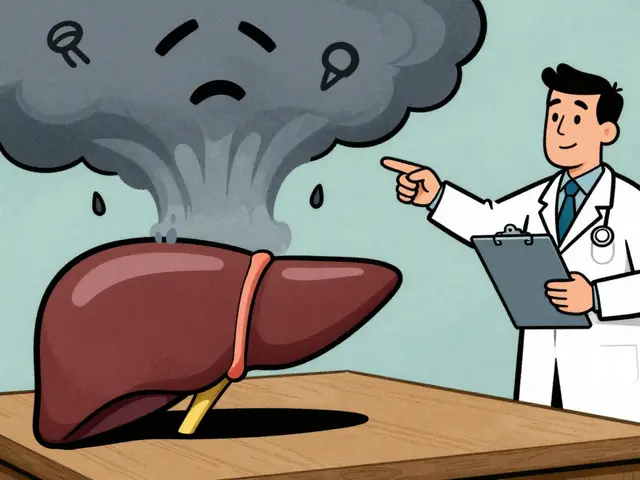
You have a stubborn urinary tract infection or a severe respiratory bug. Your doctor prescribes a fluoroquinolone antibiotic, such as ciprofloxacin or levofloxacin. At the same time, you are taking an over-the-counter NSAID (non-steroidal anti-inflammatory drug) like ibuprofen or naproxen for pain or fever. It seems like a harmless combination. You are just treating two symptoms at once. But this mix creates a dangerous storm inside your body that can silently damage your kidneys and nervous system.
This is not theoretical fear-mongering. Regulatory bodies across the globe, including the FDA in the US, Health Canada, and the EMA in Europe, have issued strict warnings about these drugs. When combined, they do not just add up; they multiply the risk of serious, sometimes permanent, harm. Understanding this interaction is critical for anyone prescribed these powerful medications.
The Double Threat to Your Kidneys
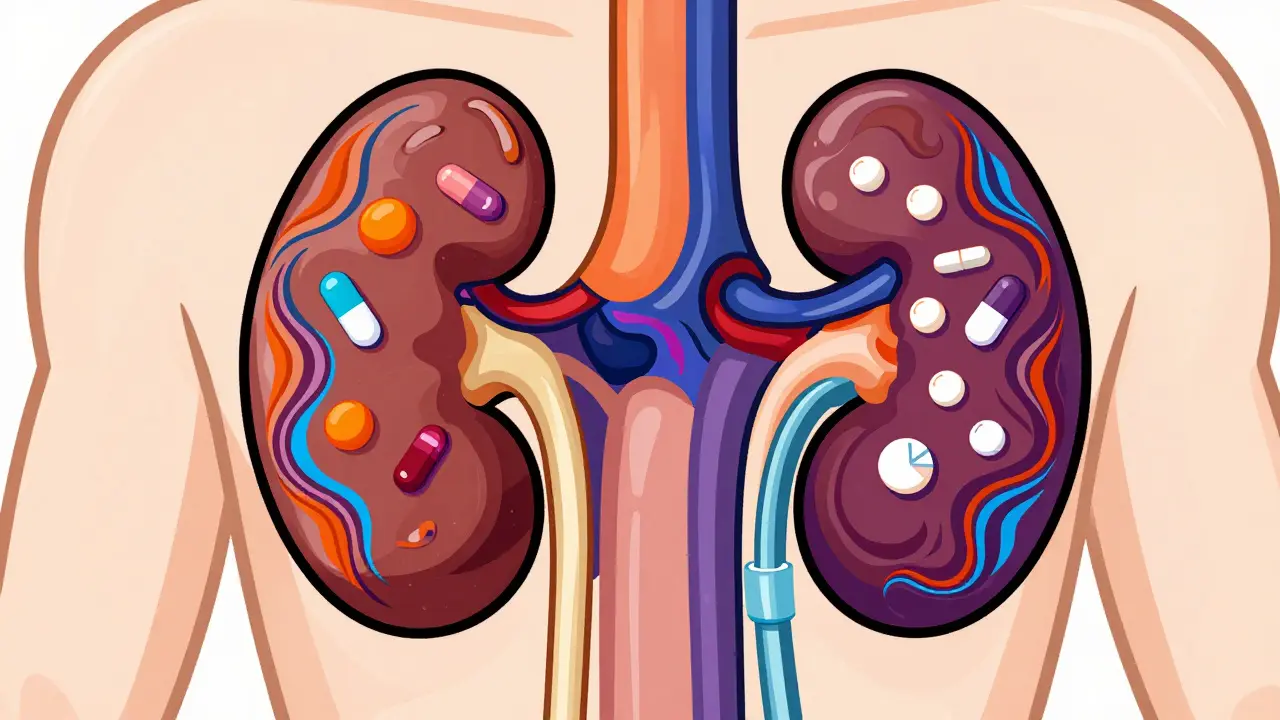
Your kidneys are your body’s filtration plant. They work hard to remove waste and balance fluids. Both fluoroquinolones and NSAIDs stress this system, but in different ways. When you take them together, you overwhelm the kidneys’ ability to cope.
NSAIDs work by blocking prostaglandins, chemicals that keep blood vessels in the kidneys open. Without these prostaglandins, blood flow to the kidneys drops significantly. This is especially risky if you are dehydrated, which often happens when you have an infection with a fever. The kidneys start to starve for oxygen and nutrients.
At the same time, fluoroquinolones can cause direct structural damage. Research published in PMC3708027 shows that fluoroquinolone use doubles the risk of acute kidney injury (AKI) requiring hospital admission. These antibiotics can trigger acute interstitial nephritis, where immune cells attack the kidney tissue, or cause crystalluria, where drug crystals form in the urine and block tiny tubes in the kidneys.
When you combine these two mechanisms-reduced blood flow from NSAIDs and direct tissue toxicity from fluoroquinolones-the result is additive harm. A study in JAMA Internal Medicine found that elderly patients taking both classes of drugs faced a 3.5-fold increased risk of acute kidney injury. For someone with pre-existing mild renal impairment, this combination can push the kidneys into failure rapidly.
Neurological Damage: More Than Just Dizziness
We often think of antibiotic side effects as stomach upset. However, fluoroquinolones have a unique ability to cross the blood-brain barrier and affect the central nervous system. This is where the interaction with NSAIDs becomes even more complex and dangerous.
Fluoroquinolones interfere with GABA receptors, which act as the brain’s brakes, calming down nerve signals. They also activate NMDA receptors, which stimulate nerve activity. The net effect is a hyper-excitable nervous system. Symptoms can range from confusion, anxiety, and insomnia to seizures, psychosis, and delirium. Patients on Reddit communities like r/FQAntibioticDamage report long-term cognitive dysfunction and neuropathy after standard courses of treatment.
Here is the tricky part: NSAIDs can worsen this neurological risk indirectly. If the combination causes kidney stress, your body cannot clear the fluoroquinolone effectively. In patients with moderate renal impairment (eGFR 30-59 mL/min/1.73m²), serum concentrations of fluoroquinolones can increase by 50-100%. Higher drug levels in the blood mean higher levels in the brain, amplifying neurotoxic effects like seizures and severe confusion.
Furthermore, some NSAIDs, particularly ibuprofen and naproxen, have their own rare neurological risks, including aseptic meningitis. While rare individually, adding another agent that stresses the nervous system increases the overall burden on your body’s regulatory systems.

Who Is Most at Risk?
Not everyone who takes this combination will suffer severe consequences. However, certain groups face exponentially higher risks. Knowing if you fall into these categories is vital for having an informed conversation with your healthcare provider.
- Age Over 60: Renal clearance naturally declines by approximately 1% per year after age 40. Older adults process drugs slower, leading to accumulation.
- Pre-existing Kidney Disease: If your eGFR is below 60 mL/min/1.73m², your kidneys are already struggling. Adding nephrotoxic agents is like pouring salt on a wound.
- Dehydration: Fever, vomiting, or poor fluid intake reduces blood volume, making NSAID-induced kidney vasoconstriction much more damaging.
- History of Neurological Disorders: Conditions like epilepsy or multiple sclerosis lower the threshold for fluoroquinolone-induced seizures or confusion.
- Corticosteroid Use: Taking steroids alongside fluoroquinolones significantly increases the risk of tendon rupture, compounding musculoskeletal issues.
Real-World Consequences and Data
The data paints a stark picture. The European Medicines Agency (EMA) reviewed 286 cases of serious adverse reactions lasting 30 days or more over a 21-year period. Despite hundreds of millions of doses dispensed annually, the severity of these cases led to major regulatory changes. In March 2019, the UK’s MHRA restricted fluoroquinolone use, advising doctors to reserve them for infections where no alternative treatment exists.
Patient advocacy groups tell a similar story. The Fluoroquinolone Effects Research Foundation surveyed 1,245 patients and found that 78% experienced symptoms lasting more than six months after stopping the drug. Thirty-two percent reported permanent disability. One case from the UK Yellow Card scheme describes a 58-year-old man who developed acute kidney injury (creatinine rising from 82 to 287 μmol/L) and severe peripheral neuropathy after taking ciprofloxacin with ibuprofen for a UTI. His symptoms persisted for 18 months despite aggressive care.
| Risk Factor | Fluoroquinolone Alone | Fluoroquinolone + NSAID |
|---|---|---|
| Acute Kidney Injury (AKI) | ~2x increased risk | Up to 3.5x increased risk (in elderly) |
| Neurotoxicity | GABA inhibition, seizures possible | Amplified by reduced renal clearance |
| Long-term Disability | Reported in ~32% of severe cases | Higher likelihood due to compounded organ stress |
| Regulatory Status | Restricted for minor infections | Generally contraindicated unless necessary |

Safer Alternatives and Management Strategies
If you need treatment for an infection and pain management, there are safer paths. The goal is to avoid the synergistic toxicity of this specific drug pair.
For uncomplicated urinary tract infections, nitrofurantoin is often a preferred first-line alternative. It has a much lower risk profile for systemic side effects and does not carry the same neurotoxic baggage. For respiratory infections, amoxicillin-clavulanate is a robust alternative that lacks the severe tendon and nerve risks associated with fluoroquinolones.
For pain relief, acetaminophen (paracetamol) is the safest choice. It does not inhibit prostaglandins in the kidneys, so it does not reduce renal blood flow. It provides effective fever and pain reduction without adding to the nephrotoxic load.
If a fluoroquinolone is absolutely necessary-for example, in a complicated infection resistant to other antibiotics-your doctor should monitor your kidney function closely. Blood tests to check creatinine and eGFR before and during treatment are essential. Stay hydrated to help your kidneys flush out the medication. Avoid all NSAIDs during the course of therapy and for several days after.
What To Do If You Are Already Taking Both
If you realize you are currently taking a fluoroquinolone and an NSAID, do not panic, but act quickly. Contact your pharmacist or doctor immediately. They may advise you to stop the NSAID and switch to acetaminophen. Watch for warning signs: dark urine, swelling in legs or ankles, extreme fatigue, confusion, tremors, or difficulty walking. These could be early signs of kidney stress or neurological involvement. Seek emergency care if symptoms are severe.
Can I take ibuprofen while on ciprofloxacin?
It is generally recommended to avoid combining ibuprofen (an NSAID) with ciprofloxacin (a fluoroquinolone). The combination significantly increases the risk of acute kidney injury and may amplify neurological side effects like seizures or confusion. Acetaminophen is a safer alternative for pain and fever relief during fluoroquinolone therapy.
How long do fluoroquinolone side effects last?
While many side effects resolve shortly after stopping the drug, a significant minority of patients experience persistent symptoms. Studies indicate that up to 78% of affected patients have symptoms lasting more than six months, and some report permanent disability involving tendons, nerves, or cognitive function. Early recognition and cessation of the drug are crucial.
Why are fluoroquinolones restricted now?
Regulatory agencies like the FDA, EMA, and MHRA have restricted fluoroquinolones due to reports of disabling, potentially irreversible side effects affecting tendons, muscles, joints, nerves, and the central nervous system. They are now reserved for infections where no alternative treatment options exist, such as certain complicated urinary tract or respiratory infections.
What are the signs of kidney damage from these drugs?
Signs of acute kidney injury include decreased urine output, dark or bloody urine, swelling in the legs or around the eyes, extreme fatigue, nausea, and shortness of breath. Blood tests showing elevated creatinine levels are the clinical indicator. If you experience these symptoms while taking fluoroquinolones or NSAIDs, seek medical attention immediately.
Is acetaminophen safe to take with fluoroquinolones?
Yes, acetaminophen (paracetamol) is considered safe to take with fluoroquinolones. Unlike NSAIDs, it does not reduce blood flow to the kidneys or inhibit prostaglandins, meaning it does not add to the renal toxicity risk. It is the preferred analgesic and antipyretic for patients on fluoroquinolone therapy.