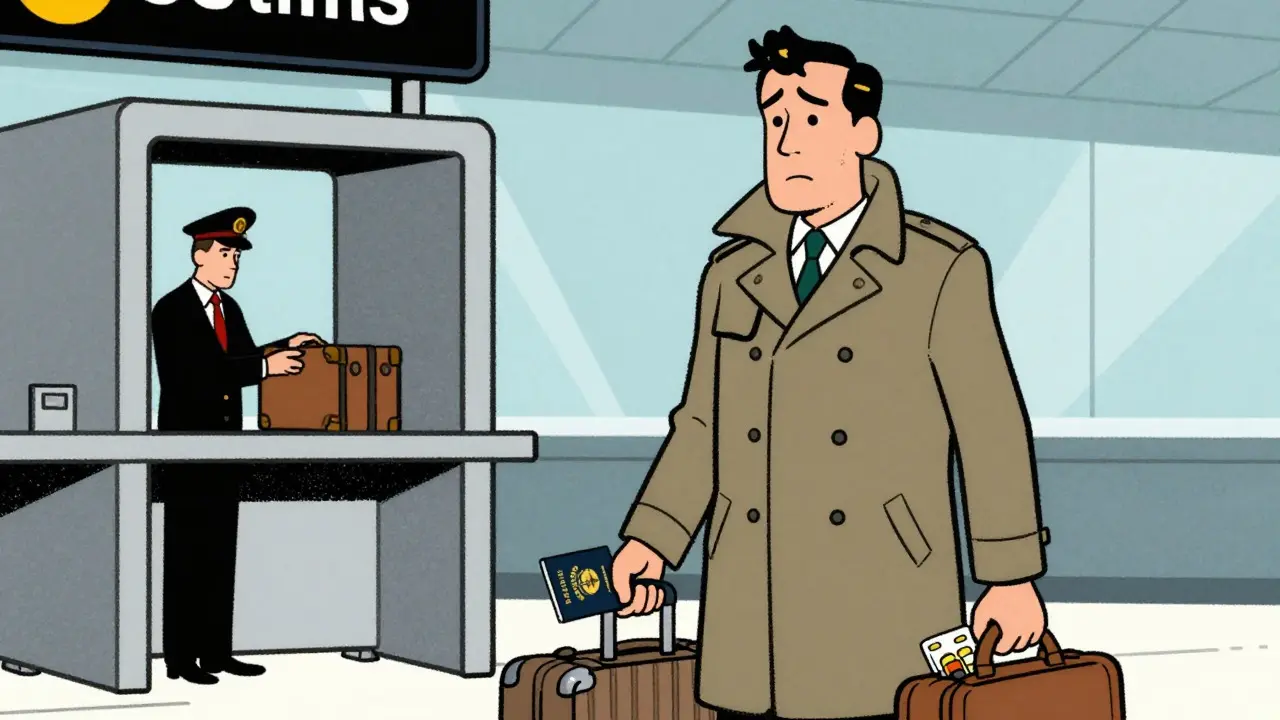
Imagine you're moving from the UK to Canada or planning a long-term stay in the EU. You have a chronic condition requiring daily medication. Your doctor writes a prescription, but can your local pharmacy just send it over? The short answer is: it depends entirely on where you are going and what you are taking. International prescription transfers are not a simple "send and receive" process like domestic pharmacy switches. They involve navigating different national laws, regulatory bodies, and sometimes even political boundaries.
This guide breaks down how to handle prescription transfers between countries, covering the specific rules for major regions like the EU, North America, and Asia. We will look at the documentation you need, the common pitfalls that cause delays, and the practical steps to ensure you don't run out of critical meds while abroad.
Why International Transfers Are Different from Domestic Ones
Within a single country, transferring a prescription is often a quick electronic ping between two pharmacies. In the US, for example, the Drug Enforcement Administration (DEA) allows one-time electronic transfers for controlled substances since August 2023. But cross-border? That’s a different beast. There is no single global standard for prescription validity. Each country has its own pharmaceutical authority, its own list of approved drugs, and its own rules on who can prescribe and dispense.
The core issue is sovereignty. A prescription issued by a doctor in London is legally valid in the UK. It is not automatically valid in Paris or Toronto. To make it work internationally, you usually aren't "transferring" the original legal document; you are using it as evidence to get a new, locally valid prescription or to prove you are allowed to carry your medication across a border.
- Legal Validity: Most countries require a prescription signed by a practitioner licensed in that specific country.
- Drug Availability: A brand name drug in the US might be sold under a generic name in Europe, or not approved at all in Asia.
- Customs Regulations: Even if the prescription is valid, customs agents may inspect your luggage to ensure you aren't smuggling drugs.
Navigating the European Union: Mutual Recognition
If you are traveling within the European Union, things are significantly smoother. The EU operates under a mutual recognition framework. This means a prescription written in one member state is technically recognized in another. However, "recognized" doesn't always mean "immediately dispensable."
Here is how it works in practice:
- Check the Drug Name: You must know the International Nonproprietary Name (INN), also known as the common drug name. Brand names vary wildly. For instance, a drug called "Zyrtec" in the US might be "Cetirizine" in Germany. Carry the INN on your prescription or letter.
- Visit a Local Pharmacy: Present your prescription. The pharmacist will check if the drug is available in their local market. If it is, they may dispense it directly. If not, they may contact a local doctor for a quick re-prescription based on your foreign document.
- Success Rate: According to Eurobarometer data, about 87% of EU citizens successfully fill prescriptions in neighboring countries. The system works, but it relies on the pharmacist's willingness to help and the drug's local availability.
Tip: Keep your prescription in English or the language of your home country, but have a translation of the drug name ready. Many pharmacists speak English, but having the scientific name removes ambiguity.
The North American Challenge: US and Canada
The corridor between the United States and Canada is notoriously difficult for prescription transfers. Unlike the EU, there is no mutual recognition. A US prescription is not valid in Canada, and a Canadian prescription is not valid in the US.
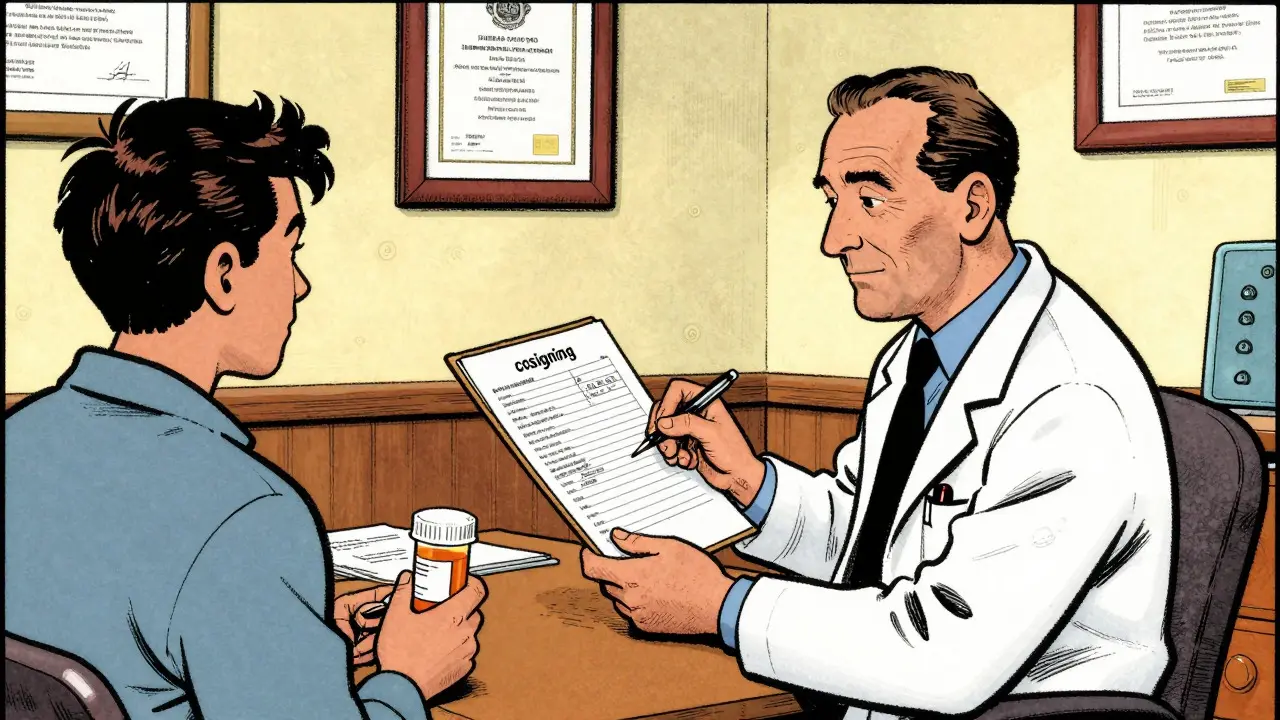
So, how do people manage this? They use a process called "cosigning."
Cosigning Explained: When you move from the US to Canada (or vice versa), you cannot simply transfer the file. Instead, a physician in the destination country reviews your medical history and the original prescription. If they agree with the treatment plan, they sign off on it, effectively creating a new, local prescription. This is not an automatic transfer; it is a clinical review.
- Documentation Needed: Original signed prescription, patient medical history, and sometimes a letter of medical necessity from your original doctor.
- Timeframe: This can take days or weeks. Don't wait until you land to start this process.
- Pharmacy Role: Some international pharmacies, particularly those verified by organizations like PharmacyChecker, facilitate this cosigning process by connecting patients with doctors in the destination country.
For travelers bringing medication into the US from abroad, the rules are strict. Under US federal law (21 U.S. Code § 384), personal importation of prescription drugs is generally prohibited. However, the FDA exercises enforcement discretion, allowing travelers to bring a 90-day supply for personal use. Always keep the medication in its original packaging with the label intact, and carry a copy of the prescription.
Asia and the Middle East: Documentation Is King
In many parts of Asia (including China) and the Middle East, the barrier isn't just the prescription; it's the diagnosis. These jurisdictions often require explicit proof of why you need the medication.
Travelers report that carrying just a prescription is often insufficient. Customs or local authorities may ask for:
- A detailed letter from your doctor stating your diagnosis.
- An explanation of why you are carrying the medication (e.g., "for maintenance of chronic condition during travel").
- Proof that the medication was legally obtained in your home country.
According to MedAire, a travel health specialist, 43% of travelers to China or the Middle East face medication access issues due to insufficient documentation. To avoid this, start preparing 2-3 weeks before your trip. Ask your doctor for a comprehensive letter that includes your diagnosis, the medication name (both brand and generic), dosage, and the duration of your stay.
Step-by-Step: How to Prepare for a Cross-Border Move
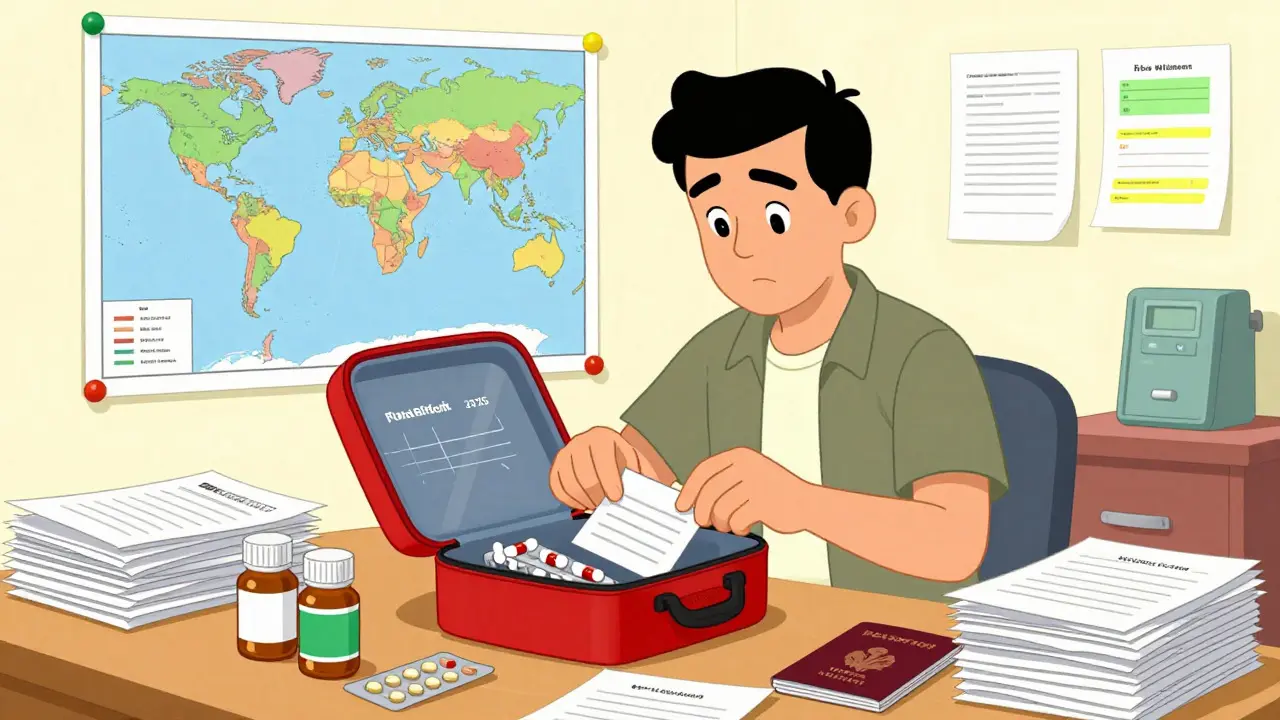
Whether you are relocating or traveling long-term, follow this checklist to minimize stress.
- Identify Your Destination Rules: Check the official government health website of the country you are entering. Look for "medication import rules" or "foreign prescription validity."
- Consult Your Doctor Early: Tell them you are moving or traveling. Ask for a letter of medical necessity. Ensure they write the drug's generic name clearly.
- Secure a 90-Day Supply: If possible, bring enough medication to last 3 months. This covers the gap while you find a local provider.
- Research Local Providers: If moving, find a doctor in your new city before you arrive. Email them your records to see if they accept new patients and if they can facilitate a cosigning or re-prescription.
- Keep Original Packaging: Never decant pills into pill organizers for international travel. Customs agents need to see the original label to verify the quantity and source.
Common Pitfalls and How to Avoid Them
Even with preparation, things can go wrong. Here are the most common issues travelers face:
- Brand Name Confusion: You arrive in France and ask for "Xanax," but the local pharmacy only stocks "Alprazolam." Know your generic names.
- Controlled Substance Restrictions: Some countries ban certain controlled substances entirely. For example, Adderall is not widely prescribed in the UK or EU. If you rely on it, you may need to switch medications before leaving.
- Pharmacy Refusals: Independent pharmacies may refuse to honor foreign prescriptions due to liability concerns. Chain pharmacies or international clinics are often more experienced with these cases.
- Insurance Gaps: Your health insurance may not cover medication costs abroad. Check if you need supplemental travel health insurance that includes prescription coverage.
FAQ
Can I transfer my prescription electronically between countries?
Generally, no. Electronic transfers work within countries (like the US or UK) but rarely cross borders. You typically need to present a physical or digital copy of the prescription to a local doctor or pharmacist to get a new local prescription.
How much medication can I bring into the US?
The FDA recommends a 90-day supply for personal use. Carrying more than this may raise questions about intent to resell or distribute, which is illegal without proper licensing.
What is "cosigning" in pharmacy terms?
Cosigning is when a doctor in the destination country reviews your foreign medical records and prescription, then signs off on the treatment plan to create a valid local prescription. It is common in moves between the US and Canada.
Do I need a translation for my prescription?
Not always, but it helps. If the prescription is in a language the local pharmacist doesn't read, a certified translation or a letter from your doctor in English (if the destination uses English) can speed up the process. Always include the generic drug name.
Is it legal to mail prescriptions to myself abroad?
It depends on the destination country's customs laws. Some countries allow mailing a 90-day supply with proper documentation, while others prohibit it. Check the specific regulations of the receiving country before shipping.