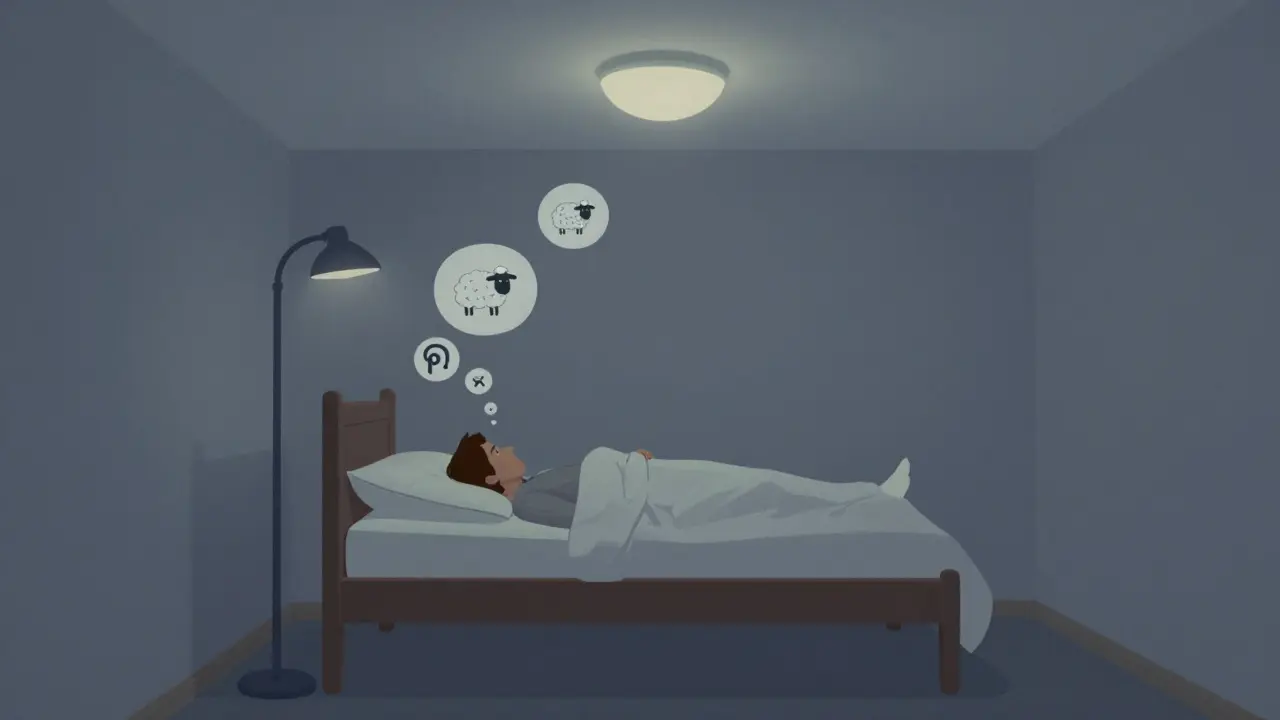
Staring at the ceiling at 3 a.m., counting sheep that look suspiciously like your ex’s face, and dreading the next day because you’re already exhausted-this is the reality for millions of people. You’ve probably tried melatonin, herbal teas, or maybe even prescribed sleeping pills. They might knock you out for a night, but the anxiety about sleeping often returns with a vengeance the very next evening. There is a better way, one that doesn’t involve swallowing another pill. It’s called Cognitive Behavioral Therapy for Insomnia (CBT-I), which is an evidence-based psychological treatment designed to retrain your brain and body to sleep naturally without medication. Unlike sedatives that mask symptoms, CBT-I addresses the root causes of chronic insomnia by changing the thoughts and behaviors that keep you awake.
Why CBT-I Is the Gold Standard for Sleep
You might wonder why doctors are pushing this instead of just writing a prescription. The answer lies in long-term results. According to the American College of Physicians’ 2016 clinical practice guideline, CBT-I is the recommended first-line treatment for all adults with chronic insomnia. Why? Because it works, and it keeps working. A massive 2023 study published in JAMA Network Open compared digital CBT-I against medication therapy. While pills offered quick relief initially, CBT-I patients showed significantly better sleep quality, faster sleep onset, and fewer daytime struggles six months later. In fact, the study found that 76% of people using CBT-I maintained their improvements at the six-month mark, compared to much lower retention rates for medication alone. Essentially, pills borrow sleep from tomorrow; CBT-I builds sustainable sleep habits for life.
The Core Components of CBT-I
CBT-I isn’t just “relaxing.” It is a structured protocol typically delivered over 6 to 8 weeks. It combines several powerful techniques. Understanding these components helps you see how they work together to reset your internal clock.
- Stimulus Control Therapy: Re-associating your bed with sleep, not wakefulness.
- Sleep Restriction Therapy: Temporarily limiting time in bed to increase sleep drive.
- Cognitive Restructuring: Challenging negative thoughts about sleep.
- Sleep Hygiene Education: Optimizing lifestyle factors like caffeine and light.
- Relaxation Training: Using physical techniques to lower arousal levels.
Let’s break down the two most impactful-and often misunderstood-techniques: Stimulus Control and Sleep Restriction.
Technique 1: Stimulus Control Therapy
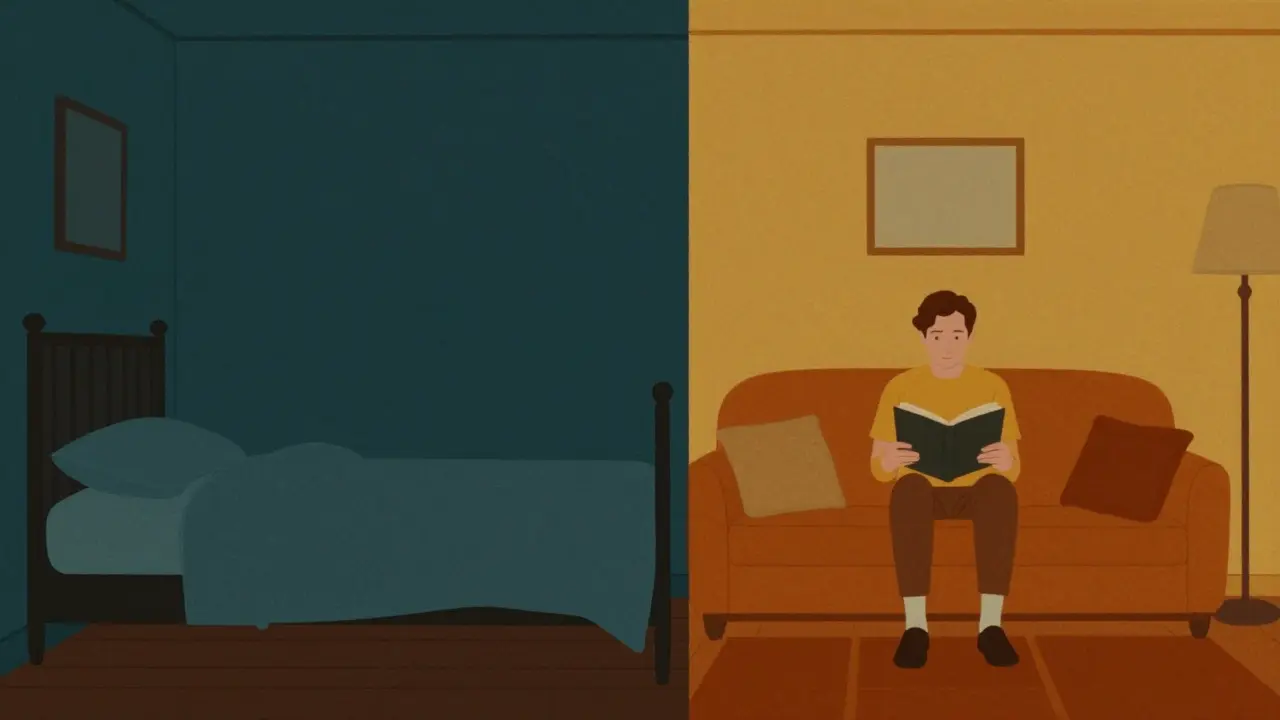
If your bed has become a place where you scroll through social media, worry about bills, or toss and turn for hours, your brain has learned to associate the mattress with stress and alertness. Stimulus Control Therapy flips this script. The goal is simple: make your bed a boring, sleep-only zone.
Here is how you apply it:
- Go to bed only when sleepy. Don’t lie down early just in case you get tired. Wait until your eyes are heavy.
- Use the bed only for sleep and sex. No reading, no TV, no phones. If you need to check an email, get up and do it in another room.
- The 20-Minute Rule. If you haven’t fallen asleep after about 20 minutes (don’t watch the clock; estimate), get out of bed. Go to another dimly lit room and do something quiet and unstimulating, like reading a dull book or listening to calm music. Return to bed only when you feel sleepy again. Repeat this as many times as necessary.
- Wake up at the same time every day. This includes weekends. Consistency anchors your circadian rhythm.
This technique can feel brutal at first. You might spend more time awake than asleep during the first few nights. But this is intentional. By leaving the bed when frustrated, you prevent your brain from linking the bedroom with anxiety. Within a week or two, the association shifts back to sleep.
Technique 2: Sleep Restriction Therapy
This is the most counterintuitive part of CBT-I, but also the most effective for fixing fragmented sleep. Many insomniacs spend 9 or 10 hours in bed but only sleep 6. This low “sleep efficiency” leads to light, broken sleep. Sleep Restriction Therapy temporarily limits your time in bed to match your actual sleep time.
For example, if you average 6 hours of sleep per night, your therapist will set your window to 6 hours. If you usually fall asleep at 2 a.m. and wake at 8 a.m., you won’t go to bed until midnight. Yes, this means you will be slightly sleep-deprived for a few days. This mild deprivation increases “sleep pressure” or homeostatic drive, making it easier to fall asleep quickly and stay asleep. As your sleep efficiency improves (aiming for over 85%), you gradually extend your time in bed by 15-30 minutes each week.
| Sleep Efficiency Rate | Action for Next Week | Goal |
|---|---|---|
| < 80% | Reduce time in bed by 15-30 mins | Increase sleep drive |
| 80% - 85% | Maintain current schedule | Consolidate sleep |
| > 85% | Increase time in bed by 15-30 mins | Gradually reach target duration |
Technique 3: Cognitive Restructuring
Insomnia is fueled by fear. Thoughts like “If I don’t sleep now, I’ll fail my presentation tomorrow” create a spike in cortisol and adrenaline, which physically prevents sleep. Cognitive Restructuring helps you identify and challenge these catastrophic thoughts.
Instead of thinking, “I’m going to die if I don’t get eight hours,” you learn to replace it with, “I can function adequately on less sleep, and resting quietly still helps my body recover.” This reduces the performance anxiety surrounding sleep. When you stop fighting sleep, it comes easier. It’s about accepting wakefulness rather than resisting it.
Digital CBT-I: Accessible and Effective
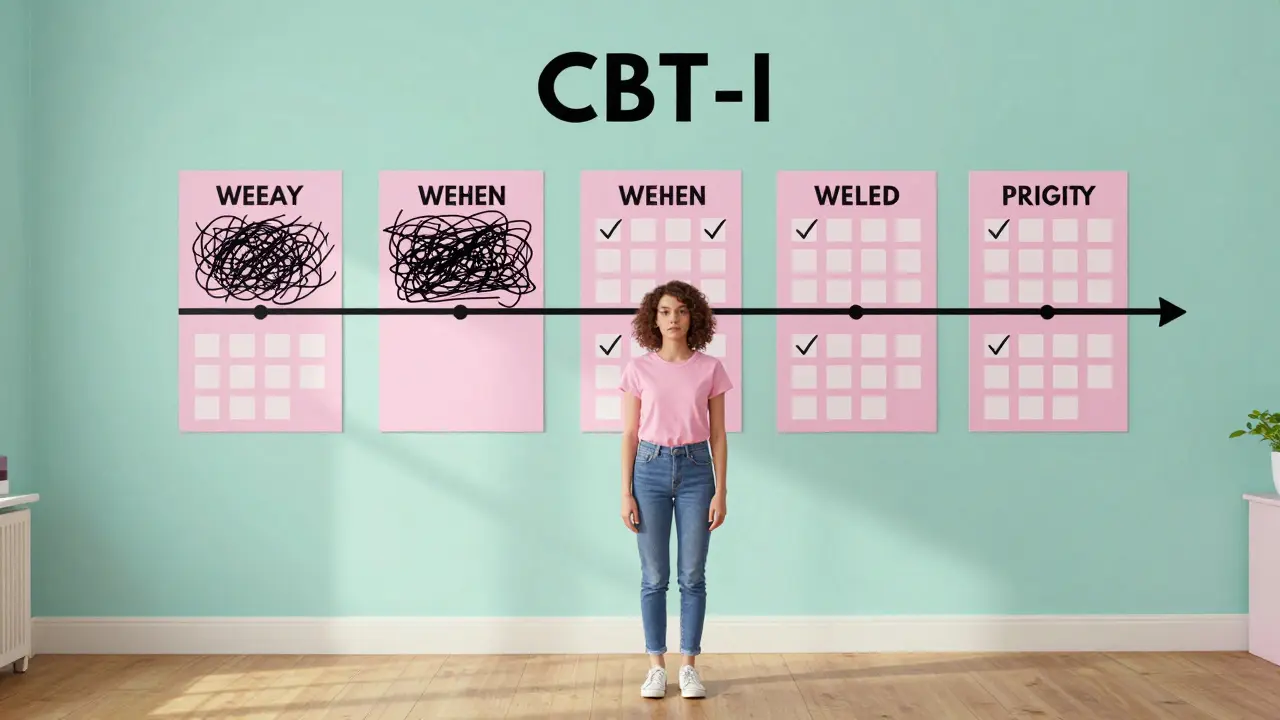
Finding a certified sleep psychologist can be difficult and expensive. This is where Digital CBT-I (dCBT-I) shines. Platforms like Sleepio and CBT-i Coach deliver the same evidence-based protocols online. The 2023 JAMA study highlighted that dCBT-I achieved response rates comparable to in-person therapy, with 77% of users seeing improvements within a month. These apps guide you through sleep diaries, adjust your sleep restriction windows automatically based on your data, and provide cognitive exercises. For many, this is the most practical entry point into treatment.
What to Expect: The Timeline and Challenges
CBT-I is not magic; it’s hard work. Here is a realistic timeline:
- Weeks 1-2: You may feel worse. Sleep restriction causes temporary fatigue. Stimulus control means getting up multiple times. Stick with it. This is the hardest phase.
- Weeks 3-4: Sleep latency (time to fall asleep) begins to decrease. Nighttime awakenings shorten. You start feeling more rested during the day despite shorter total sleep time.
- Weeks 5-8: Time in bed expands. Sleep becomes consolidated. Daytime dysfunction drops significantly. Most people report feeling normal again by the end of this period.
A common pitfall is cheating on the rules. Napping during the day destroys sleep pressure for the night. Hitting snooze or staying in bed on weekends disrupts your circadian rhythm. Discipline is key. If you slip up, don’t quit-just restart the protocol the next night.
Who Should Try CBT-I?
CBT-I is suitable for almost anyone with chronic insomnia (lasting three months or longer). It is particularly recommended for:
- Pregnant individuals: Where medication risks are higher.
- Adolescents: Studies show high efficacy in teens, helping them establish healthy sleep patterns early.
- Those with comorbid conditions: Such as PTSD, cancer survivors, or people with chronic pain, where medications might interact poorly with other treatments.
However, if you have severe untreated depression, bipolar disorder, or narcolepsy, consult a doctor before starting, as these conditions require specialized management alongside sleep therapy.
Is CBT-I better than sleeping pills?
Yes, for long-term management. While pills provide immediate short-term relief, studies show CBT-I produces equivalent or better results over time without side effects, dependency risks, or tolerance buildup. Benefits from CBT-I last months or years after treatment ends, whereas insomnia often returns immediately after stopping medication.
How long does it take for CBT-I to work?
Most people notice improvements within 2 to 4 weeks, with significant changes by week 6. However, the first 1-2 weeks can be challenging due to sleep restriction. Consistency is crucial; skipping days or napping delays progress.
Can I do CBT-I on my own?
You can use self-help books or FDA-cleared digital apps (like Sleepio or CBT-i Coach) which are highly effective. However, working with a certified therapist provides personalized adjustments and accountability, which can improve outcomes, especially for complex cases.
Does insurance cover CBT-I?
Increasingly, yes. Following major medical guidelines, Medicare and many large private insurers now cover both in-person and digital CBT-I treatments. Check with your provider to confirm coverage details and whether a prescription is needed for digital platforms.
What if CBT-I doesn't work for me?
About 20-30% of people may not respond fully to standard CBT-I. In these cases, a sleep specialist should evaluate for underlying sleep disorders like sleep apnea or restless leg syndrome, which mimic insomnia but require different treatments. Sometimes, combining CBT-I with short-term medication under medical supervision yields the best results.