Have you ever noticed a rough, bumpy growth on your hands or feet that just won't go away? You are not alone. Millions of people deal with viral warts, which are benign skin growths caused by the human papillomavirus (HPV). These unsightly bumps are more than just a cosmetic nuisance; they can be painful, contagious, and frustratingly persistent. While many warts disappear on their own, waiting years for them to vanish is rarely an option for those dealing with discomfort or social stigma.
The good news is that effective treatments exist. From over-the-counter acids to in-office procedures like freezing, there are numerous ways to tackle these stubborn infections. This guide breaks down what causes warts, how to identify different types, and which removal methods actually work based on recent clinical data.
What Causes Viral Warts?
At the heart of every wart is the human papillomavirus (HPV). There are over 100 strains of this virus, but only certain types cause non-genital warts. The virus enters the body through tiny cuts or breaks in the skin, often spreading easily in warm, moist environments like swimming pools or locker rooms.
It is crucial to understand that not all HPV strains create the same type of wart. Different strains target specific areas of the body:
- Common Warts (Verruca Vulgaris): Caused primarily by HPV types 1, 2, and 4. These usually appear on fingers, hands, and around nails.
- Flat Warts (Verruca Plana): Linked to HPV types 3 and 10. These are smoother, flatter, and often appear in large numbers on the face, legs, or arms.
- Plantar Warts (Verruca Plantaris): Result from HPV types 1, 2, 4, 60, and 63. They grow on the soles of the feet and can be particularly painful due to pressure from walking.
According to epidemiological data from the Royal Australian College of General Practitioners (RACGP), non-genital warts affect up to 24% of children and 5% of adults. Children are more susceptible because their immune systems have not yet built immunity to these common viral strains. While about 60-70% of warts clear up spontaneously within two years, most people seek treatment sooner due to pain or appearance concerns.
Topical Treatments: What Works at Home?
For many people, the first line of defense is topical medication. These treatments aim to destroy the wart tissue chemically or stimulate the immune system locally.
Salicylic Acid
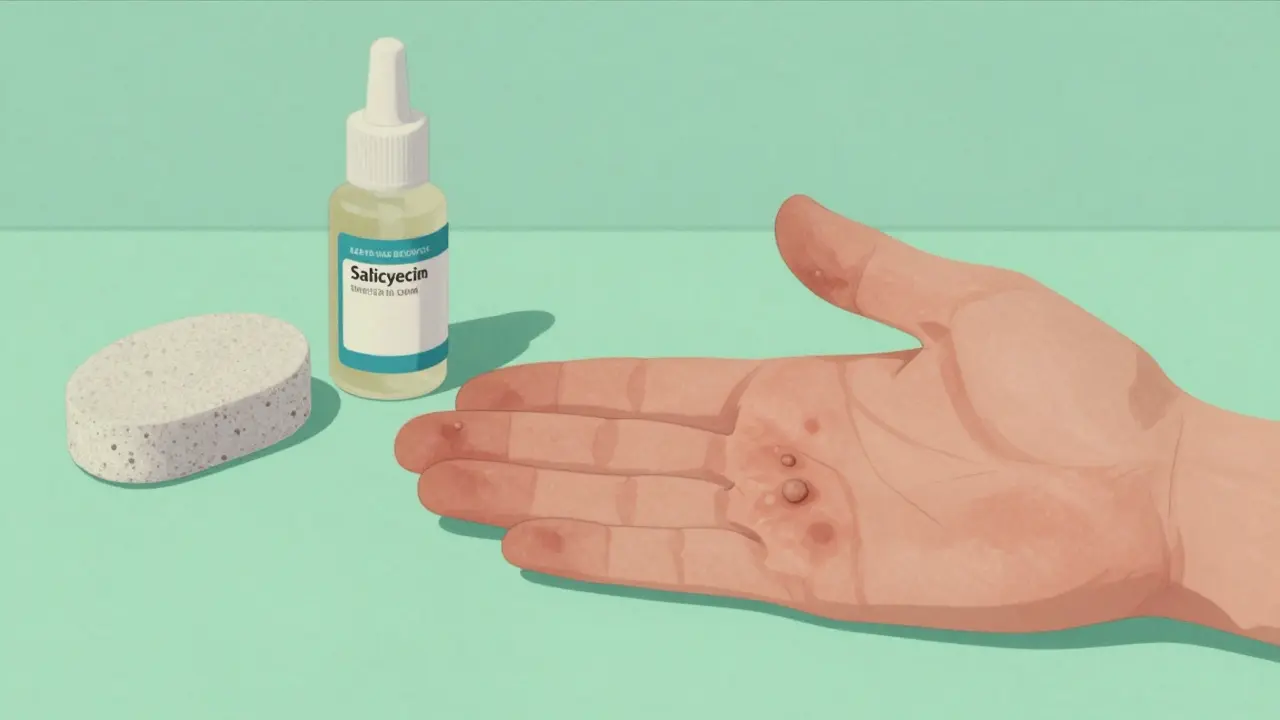
Salicylic acid is the gold standard for over-the-counter wart removal. Available in concentrations ranging from 17% to 40%, it works by peeling away the infected skin layers gradually. A landmark study published in the British Journal of Dermatology involving 1,802 patients found that salicylic acid achieved an 84% cure rate for plantar warts. To use it effectively, soak the affected area in warm water, file down the dead skin with a pumice stone, and apply the acid daily. Consistency is key; complete clearance typically takes 6 to 12 weeks.
Trichloroacetic Acid (TCA)
Often used by dermatologists, TCA is a stronger chemical agent that coagulates proteins in the wart tissue. It is particularly effective for common warts on palms and soles, as well as flat warts. Before application, a doctor may scrape or prick the wart to enhance penetration. Side effects can include burning, pain, and temporary hyperpigmentation, so professional supervision is recommended.
Immunotherapy Creams
When traditional acids fail, immunotherapy offers a different approach. Imiquimod cream is an immunomodulator that stimulates the local immune system to recognize and attack HPV-infected cells. This method has shown success in cases where salicylic acid and cryosurgery did not work. The process involves applying the cream several times a week, which may cause local inflammation-a sign that the immune response is active.
In-Office Procedures: When Topicals Aren't Enough
If home remedies don't cut it, or if the warts are widespread or painful, in-office procedures provide faster results. These methods physically destroy the wart tissue.
Cryotherapy (Freezing)
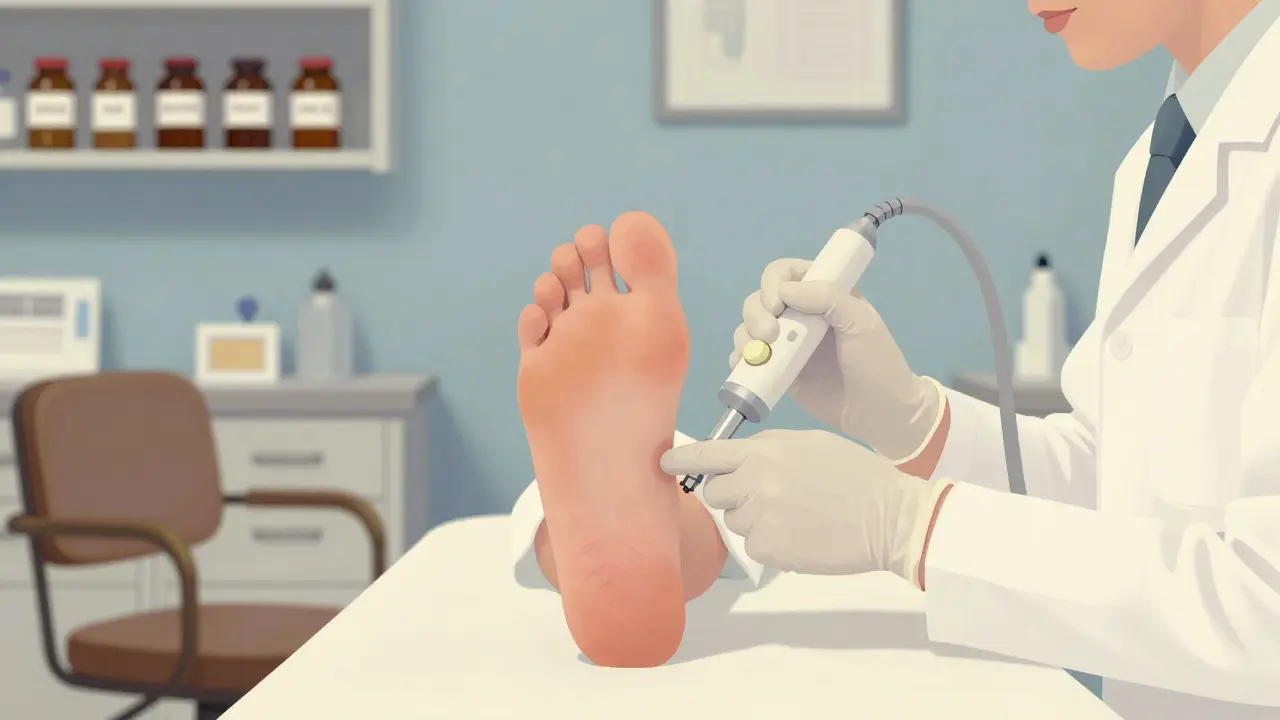
Cryotherapy using liquid nitrogen is one of the most common in-office treatments. The extreme cold destroys the infected cells, causing the wart to blister and fall off. A 2023 review in the Journal of Skin Appendage Disorders analyzed seven studies involving nearly 1,000 patients and found that cryotherapy and salicylic acid have comparable efficacy for common warts at 12 weeks.
However, technique matters. Optimal results require freezing the tissue for 10-20 seconds, extending 2-3mm beyond the visible wart margin. Treatment intervals are critical; spacing sessions 2-3 weeks apart yields significantly better outcomes than waiting four weeks. Most patients need 3-6 sessions for complete removal.
Electrosurgery and Laser Therapy
For recalcitrant warts that resist other treatments, more aggressive options exist. Electrosurgery uses a needle-like electrode to burn the wart tissue. Laser treatments, such as pulse dye lasers (VBeam), target the blood supply feeding the wart, causing it to die and slough off. These methods are typically reserved for severe cases due to higher costs and potential for scarring. Surgical excision is generally discouraged because it often leads to high recurrence rates at the wound edges.
| Treatment Method | Efficacy Rate | Sessions Needed | Pain Level | Best For |
|---|---|---|---|---|
| Salicylic Acid | ~84% (Plantar) | 6-12 weeks daily | Low | Home care, mild cases |
| Cryotherapy | Comparable to Salicylic Acid | 3-6 sessions | Moderate-High | Quick office visits, multiple warts |
| Imiquimod | Variable (High for resistant cases) | Several weeks | Low-Moderate (Inflammation) | Failed previous treatments |
| Laser/Electrosurgery | High for recalcitrant | 1-3 sessions | High | Stubborn, large, or painful warts |
Preventing Spread and Recurrence
Treating the visible wart is only half the battle. Because HPV lives in the top layer of the skin, the virus can remain even after the wart is gone, leading to recurrence or spread to other parts of your body. Dr. William Warren Kwan, MD, FAAD, emphasizes that hygienic practices must accompany any treatment to attenuate transmission.
To prevent autoinoculation (spreading the virus to yourself) and transmission to others, follow these steps:
- Avoid Picking: Never pick, scratch, or bite at warts. This spreads the virus to nearby skin.
- Keep Them Covered: Use bandages or duct tape to cover warts, especially on hands and feet.
- Personal Hygiene: Wash hands thoroughly after touching warts. Do not share towels, razors, or nail clippers.
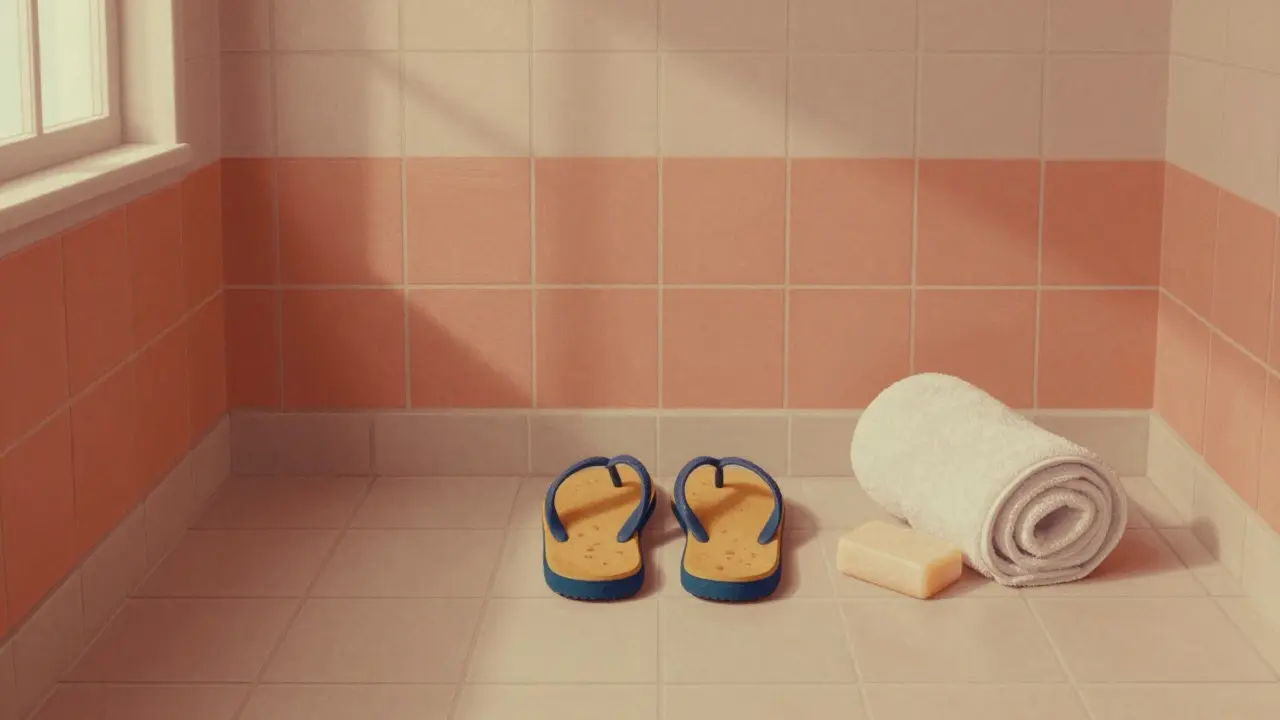
- Foot Protection: Wear flip-flops in public showers, pool decks, and gym locker rooms to prevent plantar warts.
Combination therapies may also improve outcomes. Some studies suggest that using both liquid nitrogen and salicylic acid together can achieve higher efficacy rates (up to 78%) compared to either method alone. Discussing a combined approach with your dermatologist might be worth considering if single-modality treatments fail.
When to See a Doctor
While many warts are harmless, certain situations warrant professional medical attention. Consult a dermatologist if:
- The wart bleeds, changes color, or becomes increasingly painful.
- You have diabetes or poor circulation, as foot warts can lead to serious complications.
- The wart appears on your face or genitals (genital warts require different management).
- Over-the-counter treatments show no improvement after 2-3 months.
- You have a weakened immune system, making spontaneous resolution less likely.
Remember, while warts are common, they are treatable. With patience and the right approach, you can get rid of them and prevent their return.
How long does it take for warts to go away without treatment?
Approximately 60-70% of warts resolve spontaneously within two years. However, this timeline varies widely, and some warts may persist longer or spread during this period. Waiting is often not recommended for painful or cosmetically concerning warts.
Is salicylic acid safe for children?
Yes, salicylic acid is generally safe for children when used correctly. However, lower concentrations (17-20%) are preferred for younger skin. Always avoid applying it to healthy surrounding skin and consult a pediatrician if the child is under 2 years old.
Can warts come back after removal?
Yes, recurrence is possible because the HPV virus may remain in the surrounding skin even after the visible wart is removed. Maintaining good hygiene and boosting overall immune health can help reduce the risk of recurrence.
Why do plantar warts hurt so much?
Plantar warts grow inward due to the pressure of walking and standing. This growth presses on sensitive nerve endings in the sole of the foot, causing sharp pain similar to stepping on a small stone.
Does duct tape really work for warts?
Some studies suggest duct tape occlusion therapy may help by irritating the skin and stimulating an immune response. While evidence is mixed, it is a low-risk, inexpensive method worth trying alongside filing the wart.
Are genital warts treated differently than common warts?
Yes, genital warts are caused by different HPV strains and require specific medical treatments. Over-the-counter salicylic acid should never be used on genital areas. Consult a healthcare provider for appropriate prescription creams or procedures.