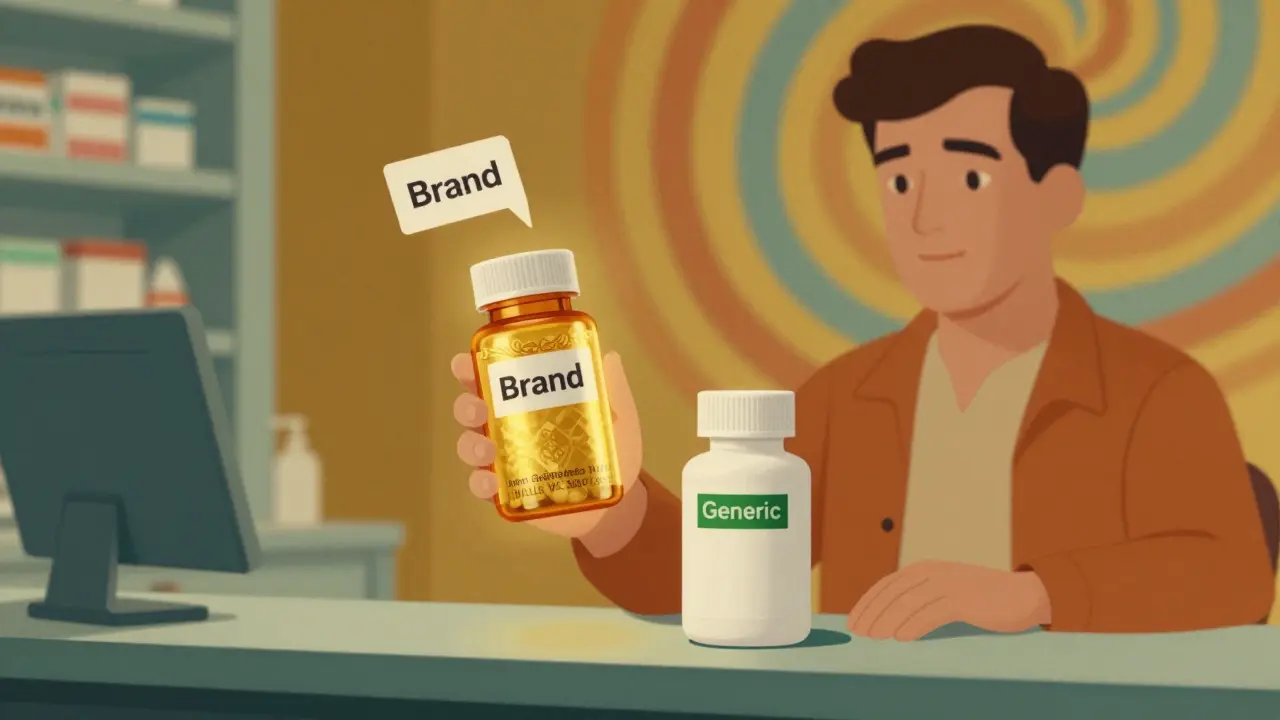
Have you ever looked at your pharmacy bill and wondered why one pill costs $15 while another does exactly the same thing for just $4? It’s a question that keeps many of us up at night, especially when we’re trying to manage chronic conditions or help our aging parents stay healthy. The short answer is that generic medications cost less because they skip the massive upfront expenses that brand-name companies incur. But the reality is more complex than just “cheaper production.” It involves federal laws, market competition, and sometimes, hidden fees that can actually make some generics more expensive than you’d expect.
Understanding this dynamic isn’t just about saving a few dollars at the counter. It’s about knowing how the pharmaceutical system works so you can make smarter choices for your health wallet. Whether you’re paying out of pocket or relying on insurance, the difference between brand and generic can mean hundreds-or even thousands-of dollars over a year.
The Legal Foundation: How Generics Got a Seat at the Table
To understand why generics are cheap, you have to look back to 1984. Before then, if a company invented a new drug, they held a patent that gave them exclusive rights to sell it for decades. This meant high prices were the only way to recoup research costs. But patients suffered from unaffordable care.
The Hatch-Waxman Act is legislation officially known as the Drug Price Competition and Patent Term Restoration Act. Signed into law in 1984, it created a balanced system. It allowed brand-name companies to keep their patents but also opened a shortcut for generic manufacturers. Instead of running costly clinical trials to prove a drug works, generic makers only had to prove bioequivalence-meaning their version worked the same way in the body as the original.
This change was revolutionary. It meant generic companies didn’t need to spend billions on research and development (R&D). They just needed to replicate the chemical formula. Without those R&D bills, their overhead dropped drastically, allowing them to sell the medication at a fraction of the brand price. Today, this law ensures that the FDA approves generics based on safety and efficacy standards identical to brand-name drugs.
The Power of Competition: Why More Makers Mean Lower Prices
Once a patent expires, multiple companies can start making the same generic drug. This is where economics kicks in hard. According to data from the Food and Drug Administration, when just one generic competitor enters the market, prices often drop by 30% to 40%. When three or more competitors join the fray, prices can fall to 15% to 20% of the original brand price within the first year.
Think of it like buying coffee. If there’s only one shop in town, they charge what they want. If five shops open up next door, they lower prices to win your business. Generic drugs work the same way. For example, lurasidone hydrochloride tablets (brand name Latuda) saw prices plummet from about $1,400 for a 30-day supply to under $60 once generics entered the market. That’s a savings of over $4 billion for patients and insurers combined.
However, competition isn’t always perfect. Sometimes, brand-name companies use legal tactics to delay generic entry, keeping prices high longer than necessary. This is why monitoring market dynamics is crucial for maintaining low costs.
| Factor | Brand-Name Drug | Generic Drug |
|---|---|---|
| R&D Costs | High ($1B+ average) | Minimal (Bioequivalence only) |
| Average Copay | $56.12 | $6.16 |
| Price Drop Timeline | N/A (Patent protected) | 30-80% drop after 1st generic enters |
| Market Share | ~10% of prescriptions | ~90% of prescriptions |
Hidden Costs: Not All Generics Are Created Equal
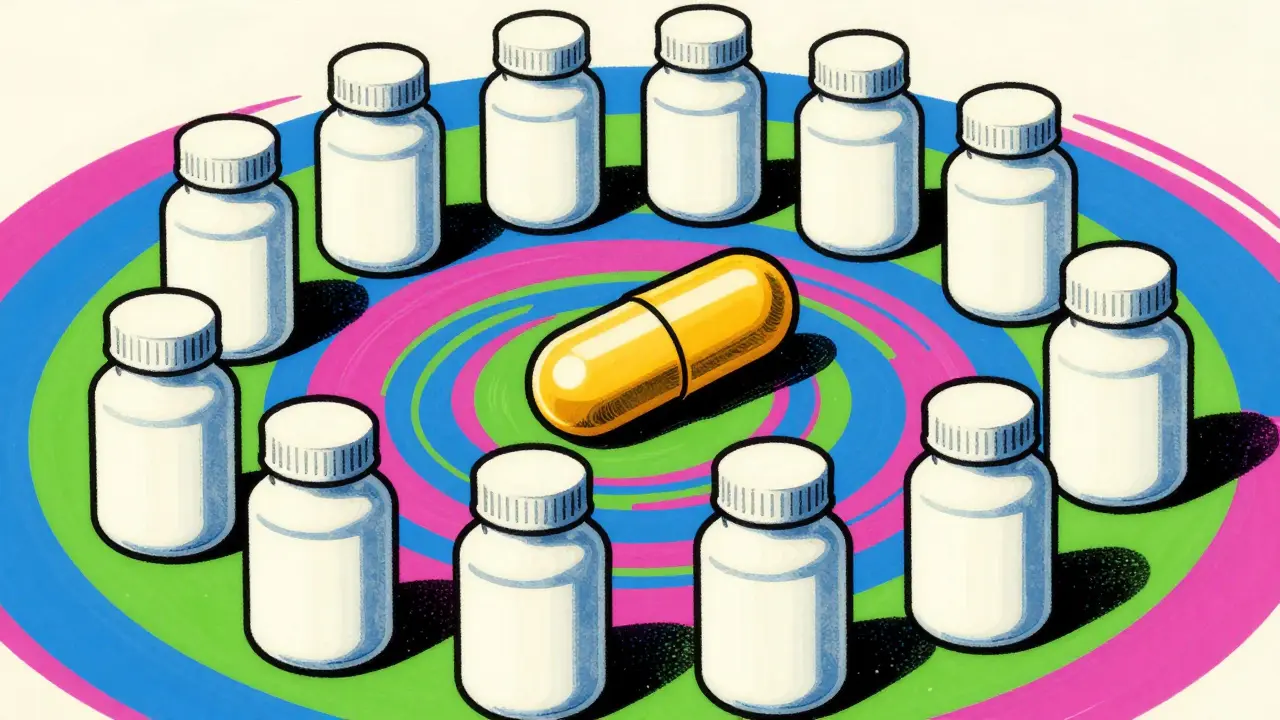
You might assume that all generic drugs are equally cheap, but that’s not entirely true. A 2022 study published in JAMA Network Open found that some generic drugs cost significantly more than other therapeutic alternatives with the same clinical value. In fact, certain high-cost generics were 15 times more expensive than cheaper options that did the exact same job.
Why does this happen? Often, it comes down to Pharmacy Benefit Managers (PBMs). These middlemen negotiate prices between drug manufacturers and insurance plans. Sometimes, PBMs receive rebates from generic manufacturers for placing their specific brand of generic on the insurer’s formulary (preferred list). This practice, known as “spread pricing,” can mean that even though you pay a low copay, the overall cost to the healthcare system-and potentially your future premiums-is higher.
For instance, a patient might be prescribed a generic statin that costs $50 a month, when an equally effective alternative exists for $10. If the PBM has a deal with the $50 manufacturer, the insurer might push the pricier option. This is why it’s vital to ask your doctor or pharmacist if there are lower-cost therapeutic alternatives available.
Real-World Savings: What Patients Actually Save
The numbers behind generic savings are staggering. In 2022 alone, generic and biosimilar medicines generated $408 billion in savings for America’s healthcare system. Over the last decade, that total hits nearly $3 trillion. For individual patients, the impact is tangible.
Consider common conditions. GoodRx data shows that depression medications can be discounted by an average of 67% when using generics. Hypertension treatments see 58% discounts, and weight loss drugs drop by 57%. For someone managing diabetes or heart disease, these aren’t just percentages-they’re the difference between staying compliant with their treatment plan or skipping doses due to cost.
Even uninsured individuals benefit. A study comparing prices at traditional pharmacies versus transparent pricing models like Mark Cuban’s Cost Plus Drug Company showed that patients could save nearly $5 per prescription on average. While this seems small, it adds up to hundreds of dollars annually for those taking multiple medications.
How to Maximize Your Generic Savings
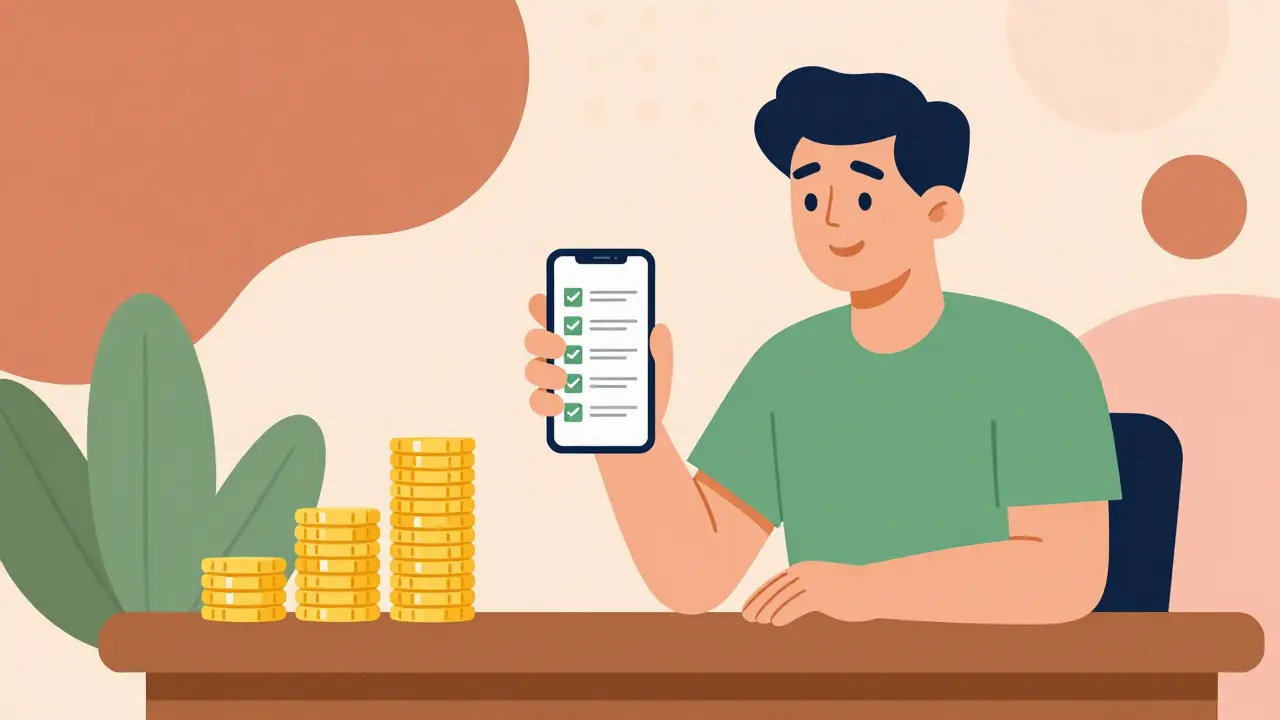
Knowing that generics are cheaper is step one. Acting on it is step two. Here’s how you can ensure you’re getting the best deal:
- Ask for “Dispense as Written” flexibility: Tell your doctor you prefer generics unless there’s a medical reason to stick with the brand. Most pharmacists will automatically substitute generics if allowed.
- Compare prices online: Use tools like GoodRx or SingleCare. These apps show cash prices at local pharmacies. Sometimes, paying cash for a generic is cheaper than your insurance copay, especially if you have a high-deductible plan.
- Check for therapeutic alternatives: Ask your pharmacist if there’s a different generic drug that treats the same condition for less money. As noted earlier, not all generics are priced fairly.
- Consider mail-order options: For maintenance medications taken daily, mail-order services often offer bulk discounts that brick-and-mortar stores can’t match.
It takes about five minutes to compare prices for a single prescription. Doing this once a month can save you hundreds of dollars a year without changing your health outcomes.
The Future of Generic Pricing
Looking ahead, the landscape of drug pricing is shifting. The Inflation Reduction Act of 2022 includes provisions aimed at lowering Medicare drug costs, partly by encouraging generic and biosimilar competition. Analysts project that biosimilars-generic versions of complex biologic drugs-will generate an additional $150 billion in savings between 2023 and 2027.
However, challenges remain. Shortages of certain generic drugs can temporarily spike prices. Regulatory bodies like the FTC are investigating practices that might suppress competition, such as “pay-for-delay” agreements where brand companies pay generics to stay off the market. As these investigations progress, we may see even more aggressive price reductions in the coming years.
For now, the rule remains simple: generics are the backbone of affordable healthcare. By understanding how they work and actively seeking them out, you take control of your medical spending. You don’t have to accept high prices as inevitable. With a little knowledge and the right questions, you can navigate the system and keep more money in your pocket.
Are generic medications as safe as brand-name drugs?
Yes. The FDA requires generic drugs to meet the same strict quality, strength, purity, and stability standards as brand-name drugs. They must contain the same active ingredients and work in the same way in the body. The only differences are usually inactive ingredients, like colors or flavors, which do not affect how the drug works.
Why do some generic drugs still cost a lot?
If only one company makes a generic version, they can keep prices high due to lack of competition. Additionally, Pharmacy Benefit Managers (PBMs) may prioritize certain generics for financial rebates, leading to “spread pricing” where the net cost is higher despite a low copay. Always ask if there are cheaper therapeutic alternatives.
Can I always switch from a brand-name drug to a generic?
In most cases, yes. Pharmacists are legally allowed to substitute generics for brand-name drugs unless the doctor specifies “dispense as written.” However, for narrow therapeutic index drugs (where tiny changes in dosage matter greatly), consult your doctor before switching to ensure safety.
How much can I save by using generics?
On average, generics cost 80-85% less than brand-name equivalents. For example, the average copay for a generic is around $6, compared to over $56 for a brand-name drug. Over a year, this can result in savings of hundreds or even thousands of dollars depending on your medication regimen.
What is bioequivalence?
Bioequivalence means that the generic drug delivers the same amount of active ingredient into your bloodstream over the same period of time as the brand-name drug. This ensures that the generic will have the same clinical effect and safety profile as the original product.