
Why You Need a Food and Medication Interaction Checklist
Every pill you take doesn’t just work in isolation. What you eat, drink, or even chew can change how that medicine behaves in your body. Grapefruit juice can turn a safe statin dose into a dangerous one. A handful of spinach might undo the effect of your blood thinner. Dairy products can block antibiotics from being absorbed. These aren’t rare edge cases-they’re everyday risks.
According to the FDA, over 150,000 emergency room visits each year in the U.S. happen because of food-drug interactions. That’s more than the number of people who get hurt in car crashes annually. And most of these could have been avoided with a simple, personal checklist.
This isn’t about being paranoid. It’s about being informed. If you take three or more medications-especially if you’re over 40-you’re at higher risk. Nearly half of Americans in that age group do. A checklist isn’t just a piece of paper. It’s a shield. It turns guesswork into control.
What Goes on the Checklist
A good food and medication interaction checklist isn’t just a list of pills. It’s a living document that answers three questions: What are you taking? What foods or drinks interfere with it? And what should you do about it?
For each medication, write down:
- Brand and generic name (e.g., "Lipitor" and "atorvastatin")
- Dosage and schedule (e.g., "10 mg once daily at bedtime")
- Why you take it (e.g., "lowers cholesterol")
- Prescribing doctor and contact (e.g., "Dr. Chen, Cardiology Associates, 555-202-1234")
Then, for each one, add the food or drink interactions:
- High risk: Must avoid completely. Examples: grapefruit juice with simvastatin, tyramine-rich foods (aged cheese, cured meats) with MAO inhibitors like phenelzine.
- Moderate risk: Need time separation. Examples: dairy with ciprofloxacin (wait 2 hours), leafy greens with warfarin (keep intake consistent, don’t suddenly eat more or less).
- Low risk: Monitor, but no major change needed. Examples: caffeine with some asthma meds.
Don’t forget supplements. People think "natural" means safe, but fish oil can thin your blood. St. John’s wort can make birth control useless. Vitamin K in greens directly counters warfarin. These aren’t optional notes-they’re critical.
How to Find Accurate Interaction Info
Google isn’t your friend here. Random blogs, forums, and even some apps give wrong or outdated advice. You need trusted sources.
Start with the official medication guide that came with your prescription. Look for section 4.5: "Drug Interactions." It’s written in plain language and updated by the FDA. If you lost it, search the drug name + "FDA prescribing information" online.
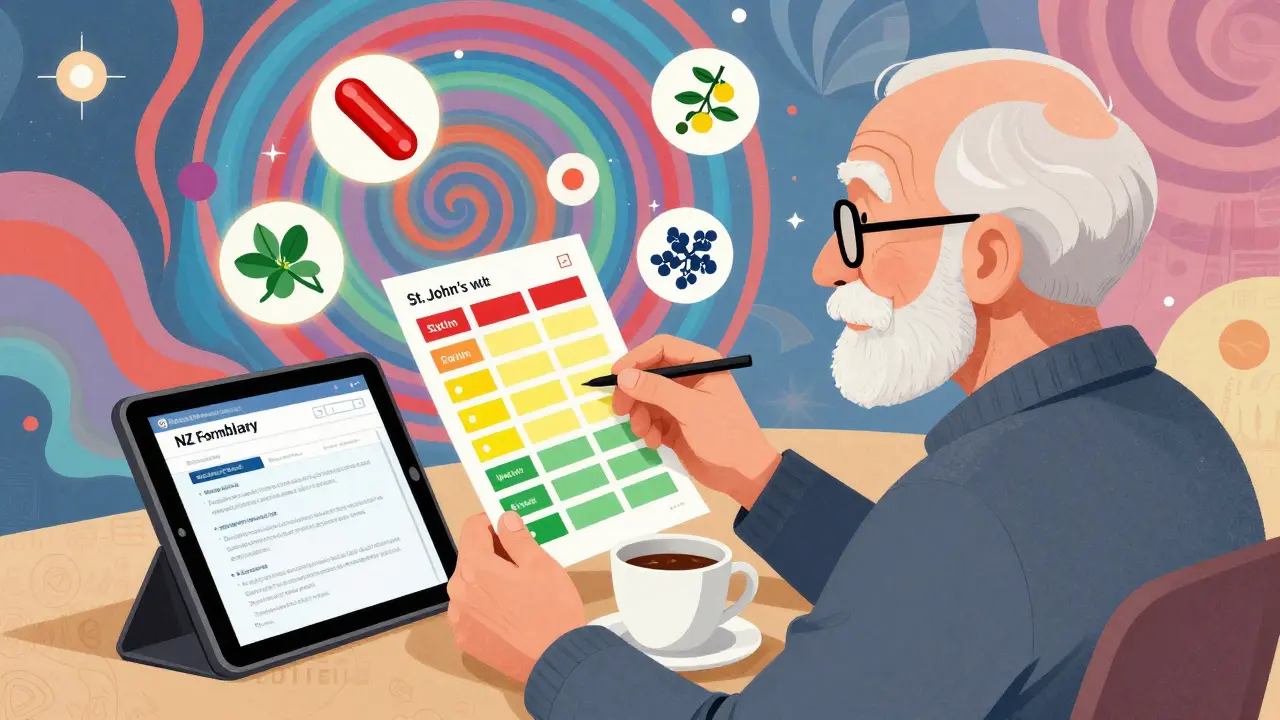
Use the New Zealand Formulary Interaction Checker. It’s free, updated monthly, and used by pharmacists worldwide. Type in your drug and food, and it tells you the risk level and what to do.
The SEFH Drug-Food/Herb Interaction Guide (2024 edition) is another solid resource. It’s available as laminated cards you can stick on your fridge. Each card has color-coded warnings: red for high risk, yellow for moderate, green for low.
Never rely on a single app unless it’s backed by a medical institution. A 2024 FDA review found 62% of consumer apps gave incorrect interaction warnings. Stick to tools from health systems, pharmacies, or government agencies.
Choosing Between Paper and Digital
Should you use a notebook or an app? The answer depends on your life.
Paper checklists win for simplicity and reliability. The FDA’s free "My Medicines" template (updated March 2024) is designed for printing on standard paper. You can tape it to the fridge, keep it in your wallet, or hand it to an EMT in an emergency. No battery needed. No Wi-Fi required. In rural areas or during power outages, this is your only backup. Seniors over 75 use paper at a 92% rate, according to research from the University of Michigan.
Digital tools like Medisafe or MyTherapy are better if you take five or more medications. They can send reminders, sync with pharmacies, and even alert you if a new drug you’re prescribed conflicts with your food habits. A 2023 JAMA study showed digital checklists cut medication errors by 42% over a year. But they require a smartphone, regular updates, and trust in the app’s data source.
Best practice? Use both. Keep a printed copy on the fridge. Use an app for reminders and tracking. That way, you’re covered whether you’re at home, in the car, or in the ER.
How to Build Your Checklist-Step by Step
Don’t try to do this in one sitting. Take 45 minutes, spread over two days.
- Gather everything. Pull out every pill bottle, supplement container, and OTC box. Include vitamins, herbal teas, and CBD oils. Put them on the kitchen table.
- Write down each item. Use the 12-point framework from the FDA: name, dose, purpose, schedule, doctor. Don’t skip any.
- Research each interaction. Look up each drug using the NZ Formulary or the medication guide. Note the food, the risk level, and the action needed. Example: "Warfarin-high risk with kale, spinach, Brussels sprouts. Maintain consistent daily intake. Do not suddenly increase or reduce."
- Document sources. Write "Per NZ Formulary, July 2024" or "FDA Drug Safety Communication #2024-087" next to each entry. This helps your doctor verify it.
- Add emergency info. List two contacts: your pharmacist and a family member who knows your meds. Include your allergies and past reactions (e.g., "Anaphylaxis to penicillin, 2021").
- Put it where you’ll see it. Tape it to the fridge. Keep a copy in your purse. Give one to your caregiver. If you can’t find it in 3 seconds, it’s useless.
What to Do When Things Change
Your checklist is only as good as its last update. If your doctor changes your dose, adds a new drug, or you start a new diet, update it immediately.
Link updates to your refill schedule. Every time you pick up a prescription, spend five minutes reviewing your checklist. Does the new drug have a food interaction? Did you stop eating grapefruit? Did your vitamin K intake change?
Set a monthly reminder on your phone: "Review meds and food list." That’s when you’ll catch the most errors. A 2023 FDA analysis found 28% of checklist-related mistakes happened because people forgot to update after a change.
Also, talk to your pharmacist during your Medication Therapy Management (MTM) session. Most Medicare Advantage plans now cover this free service. They’ll spot gaps you missed and explain interactions in plain terms.
Real Stories, Real Results
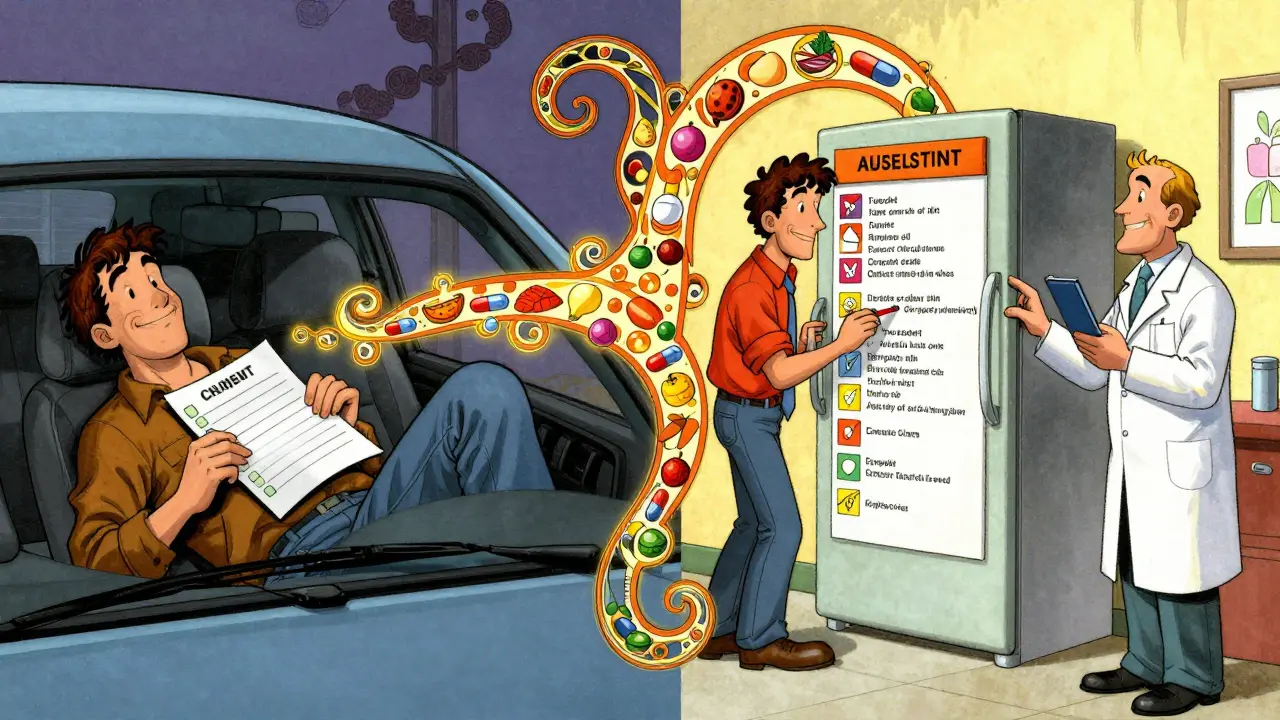
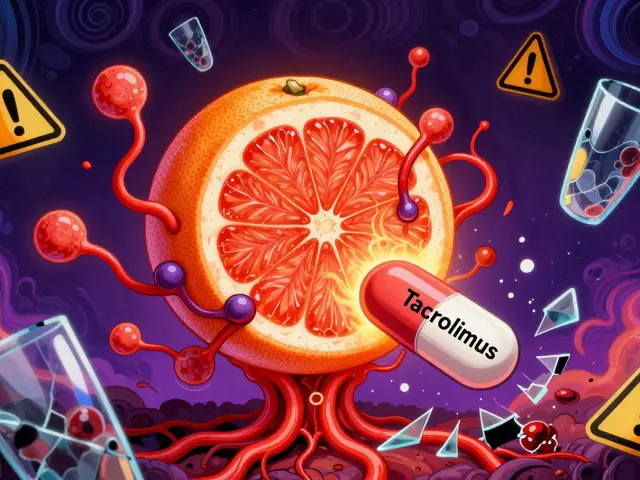
One Reddit user, on r/Pharmacy, shared how their checklist saved them. They were on tacrolimus after a kidney transplant. They drank grapefruit juice every morning. Their app didn’t warn them. Their checklist did. They stopped it-and avoided acute kidney failure.
Another person, a 72-year-old woman in Ohio, kept a paper checklist on her fridge. Her doctor switched her from one blood thinner to another. She didn’t know the new one had a different interaction with leafy greens. She updated her list, told her pharmacist, and avoided a dangerous bleed.
On the flip side, a user on Drugs.com gave a digital app two stars. "It warned me about kale with warfarin, but I eat bok choy and mustard greens daily. My app didn’t know those have vitamin K too." That’s why you need to document your actual diet-not just generic food groups.
Pro Tips That Make a Difference
- Be specific. Write "1 cup cooked spinach" not "some greens." Cooking reduces vitamin K by up to 70%. That matters.
- Use color. Red for high risk, yellow for moderate, green for low. Instant visual cue.
- Include preparation. Raw garlic boosts blood thinners. Cooked garlic doesn’t. Note how you eat it.
- Keep it simple. Don’t list every food ever eaten. Just the ones proven to interact.
- Teach someone else. Give a copy to your spouse, adult child, or caregiver. They might notice something you miss.
What’s Coming Next
The future of food-medication safety is here. By 2025, the FDA plans to add interactive food interaction features to its "My Medicines" tool. Samsung’s new refrigerators will scan your groceries and warn you if you’re about to buy something that clashes with your meds. AI tools are being tested to analyze your food diary and predict risks.
But for now, the best tool is the one you use. No app, no fridge magnet, no digital dashboard beats a clear, updated, handwritten checklist you can hold in your hand.
Start today. Gather your pills. Open the NZ Formulary. Write it down. Your future self will thank you.
Can I just rely on my pharmacist to warn me about food interactions?
Pharmacists are trained to catch interactions, but they can’t know everything about your daily habits. They won’t know you eat a spinach smoothie every morning or drink grapefruit juice with breakfast. You’re the only one who knows your routine. A checklist fills that gap. It gives your pharmacist the full picture so they can give you better advice.
Do I need to avoid all foods listed as risky?
Not always. High-risk means avoid completely-like grapefruit with certain statins. But moderate risk often means timing or consistency. For example, with warfarin, you don’t stop eating spinach-you eat about the same amount every day. Sudden changes are dangerous, not the food itself. Always follow the specific guidance on your checklist.
What if I forget to update my checklist after a new prescription?
That’s when mistakes happen. Set a monthly reminder on your phone labeled "Review Meds & Food List." Do it right after you refill your prescriptions. That’s when your meds are fresh in your mind. If you miss a month, go back to your pill bottles and compare them to your list. Outdated checklists cause 28% of errors, according to the FDA.
Are over-the-counter drugs and supplements included?
Yes. Many people forget OTC meds and supplements. Ibuprofen can increase bleeding risk with warfarin. St. John’s wort can make antidepressants or birth control useless. Even calcium supplements can interfere with thyroid meds. Include every pill, capsule, tea, or powder you take regularly.
Is this checklist useful for healthy people who don’t take meds?
Not directly. But if you ever start taking medication-even a short course of antibiotics or a new vitamin-it’s already ready. Building it now means you’ll never be caught off guard. Prevention is easier than scrambling when you’re sick.

Prajwal Manjunath Shanthappa
February 4, 2026 AT 11:58Wendy Lamb
February 5, 2026 AT 07:41Ed Mackey
February 5, 2026 AT 21:28Alex LaVey
February 6, 2026 AT 12:20Jesse Naidoo
February 8, 2026 AT 06:55Daz Leonheart
February 9, 2026 AT 21:36Amit Jain
February 10, 2026 AT 03:04Roshan Gudhe
February 12, 2026 AT 01:08Rachel Kipps
February 12, 2026 AT 05:06Antwonette Robinson
February 12, 2026 AT 20:31