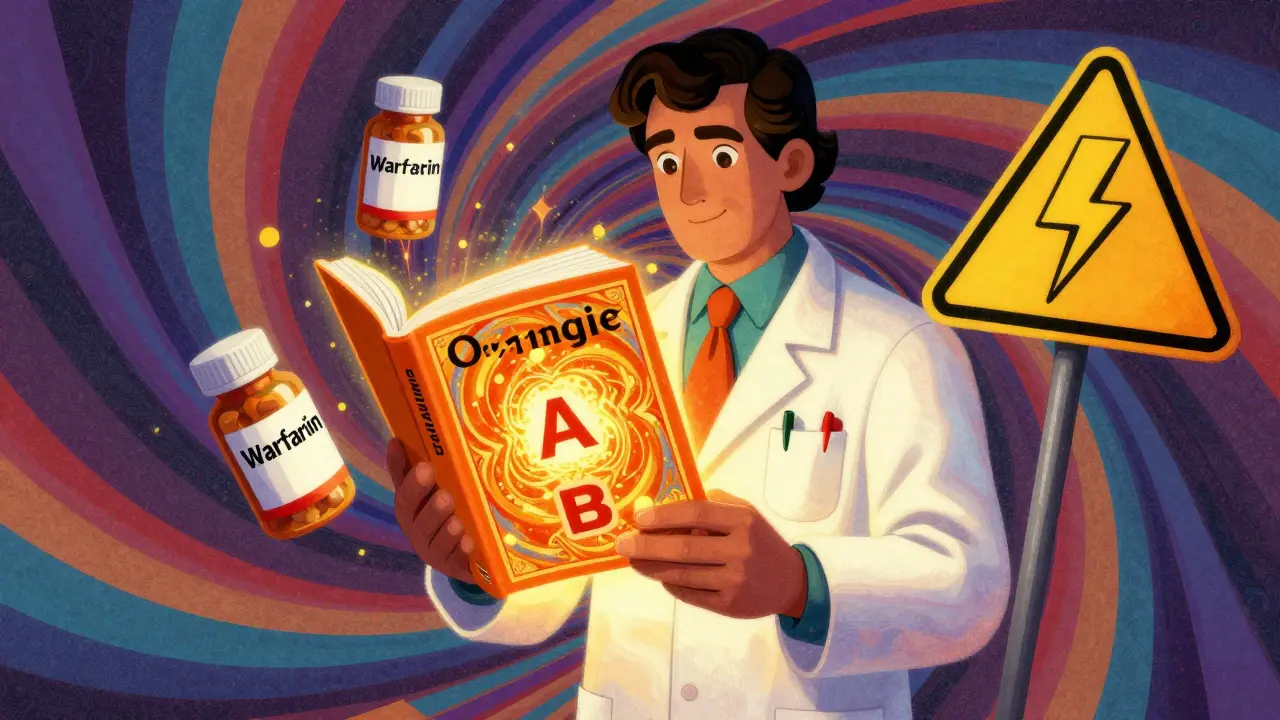
When you pick up a prescription, you expect it to be safe. But how do you know if a generic drug or biosimilar is truly equivalent to the brand-name version? The answer lies in two underused but powerful FDA tools: the Orange Book and the Purple Book. These aren’t just lists of approved drugs-they’re live safety dashboards that tell you what’s been pulled off the market, which generics are safe to substitute, and which biosimilars have passed the FDA’s toughest safety tests.
What the Orange Book Really Tells You About Drug Safety
The FDA Orange Book, officially called Approved Drug Products with Therapeutic Equivalence Evaluations, has been around since 1985. It’s not just for pharmacists. If you’re a patient, a caregiver, or a clinician, this is the first place you should look when you’re unsure about a generic drug’s safety.
Here’s what it shows: every approved small-molecule drug-think pills, capsules, syrups-is listed with its active ingredient, manufacturer, and, most importantly, a therapeutic equivalence code. That code starts with a letter. An A means the drug is considered therapeutically equivalent to the brand. That’s good. But if you see a B, that’s a red flag. It means the FDA doesn’t consider it interchangeable, often because of differences in how the drug is absorbed or how it behaves in the body. For drugs with a narrow therapeutic index-like warfarin, lithium, or levothyroxine-this difference can be life-threatening.
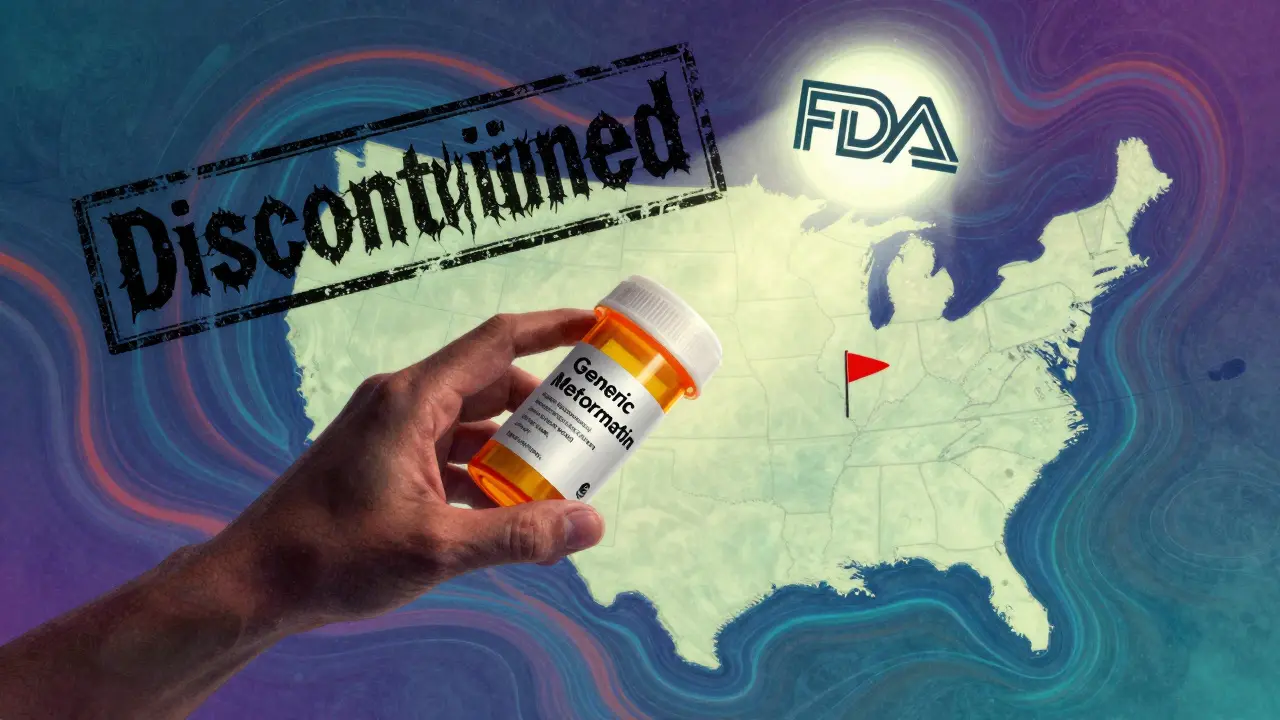
But the real safety gold is in the Discontinued Section. This part of the Orange Book lists drugs that were pulled from the market. Not because they didn’t sell well. Not because of supply issues. But because the FDA found them unsafe or ineffective. As of September 2023, 127 products are listed here with a clear note: “Withdrawn for safety or efficacy reasons.” You can filter this section by reason and find exact matches. For example, if you’re checking a generic version of a recalled blood thinner, this section will tell you if the original brand was pulled-and if the generic is still being sold despite that.
How the Purple Book Keeps Biologics Safe
Biological drugs-like insulin, monoclonal antibodies, and vaccines-are more complex than pills. They’re made from living cells. That means even small changes in manufacturing can affect safety. That’s where the Purple Book comes in.
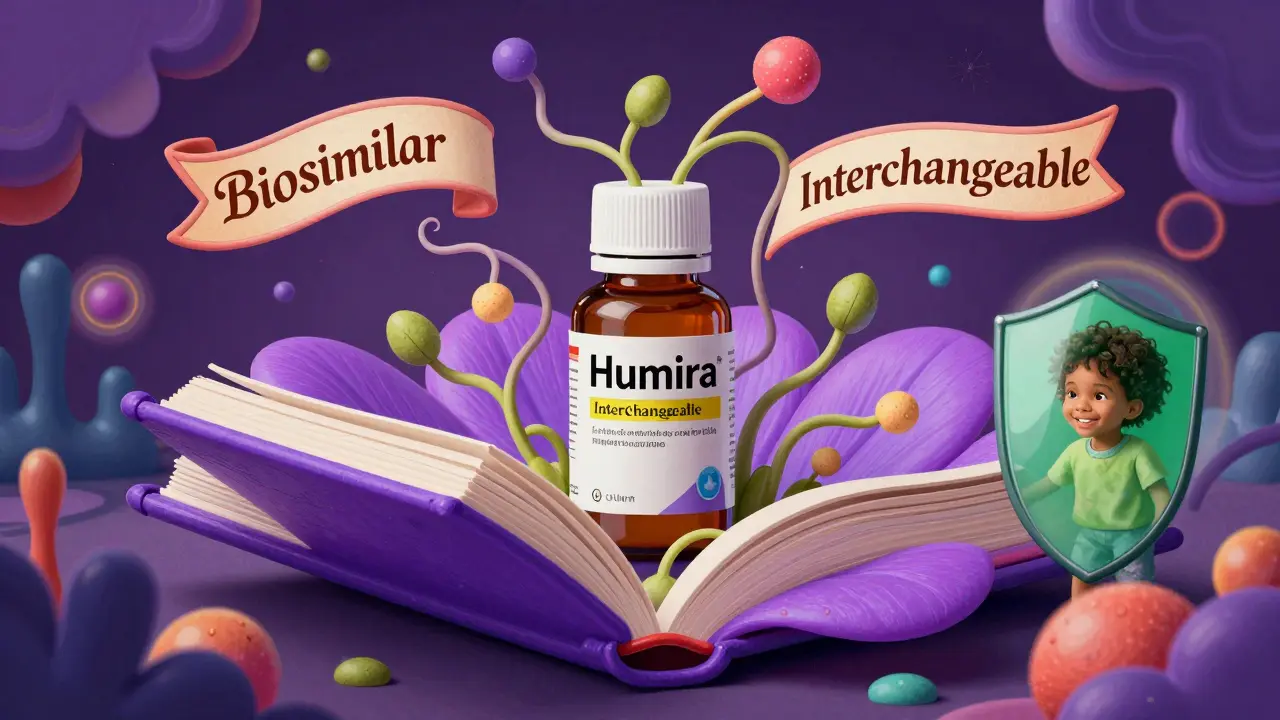
Launched in 2014, the Purple Book lists licensed biological products and their biosimilars. A biosimilar isn’t a copy. It’s a highly similar version that has been proven to have no clinically meaningful differences in safety, purity, or potency compared to the original. The Purple Book doesn’t just list them-it groups each biosimilar under its reference product. So if you’re looking at Humira (adalimumab), you’ll see all the biosimilars that have been approved to follow it, side by side.
Each entry includes whether the product is labeled as “Biosimilar” or “Interchangeable.” An interchangeable product has met an even higher bar: the FDA has determined you can switch between it and the reference product without increasing safety risks. That’s huge. For patients on long-term biologics, this means they can switch to a cheaper version without having to relearn how their body responds to the drug.
But here’s the catch: the Purple Book doesn’t show adverse event reports. It doesn’t tell you if 10 patients had a rare allergic reaction last month. That data lives in the FDA’s FAERS system. The Purple Book tells you whether the product met the FDA’s safety standard at approval-not what’s happening in real time. That’s why you need both: the Purple Book for approval-level safety, and FAERS for real-world signals.
How to Search the Orange Book for Safety Warnings
Accessing the Orange Book is free. Go to the FDA’s website and search for “Orange Book Database.” You’ll land on a searchable interface.
Here’s how to find safety info fast:
- Search by drug name or active ingredient (e.g., “metformin”)
- Look at the “Therapeutic Equivalence Code” column
- If it’s a B, stop. Don’t assume it’s safe to substitute.
- Click “Discontinued Drug Products” under the filter options
- Set “Reason for Discontinuation” to “Safety”
- Check if your drug-or its brand version-is listed
Pro tip: If you’re checking a generic, always verify the brand name too. Sometimes the brand was withdrawn, but the generic is still on the market because it was made differently. The Orange Book will tell you which one.
How to Use the Purple Book for Biosimilar Safety
The Purple Book’s interface is cleaner now. Since 2022, it’s a single searchable database, not two separate lists.
To check biosimilar safety:
- Search for the reference product (e.g., “Enbrel”)
- Scroll down to see all biosimilars listed under it
- Look at the “Biosimilarity or Interchangeability” column
- Click on each biosimilar to see its approval date and exclusivity status
- Compare the safety data: if a biosimilar was approved more than 5 years ago, it’s likely had more real-world safety monitoring
Also check the “Reference Product Exclusivity” column. If the exclusivity period has expired, it means the original product’s safety data is now publicly available. That’s a good sign-it means the biosimilar had to prove its safety against a full, transparent dataset.
What These Books Don’t Tell You
Both books are excellent, but they’re not complete. They don’t show:
- Real-time adverse events
- Drug interactions
- Off-label use risks
- Post-market safety updates
The Purple Book doesn’t update as fast as the Orange Book. While the Orange Book updates every 30 days, the Purple Book updates every 60 days. That means a biosimilar could have a new safety alert, and it won’t show up for two months.
That’s why you need to cross-reference with FDA Safety Communications and MedWatch. If a drug has a new black box warning or a recall, it won’t appear in the Orange Book until the next update. But MedWatch emails and the FDA’s website will tell you immediately.
Real-World Safety Wins
Pharmacists use these tools every day. One pharmacist in Texas told a Reddit thread she caught a dangerous substitution when the Orange Book showed a generic version of a seizure drug had been withdrawn for safety reasons-while the brand was still listed as active. She flagged it before the patient got the wrong pill.
Another clinician in Minnesota used the Purple Book to verify that a new biosimilar for rheumatoid arthritis had the same safety profile as the original. She switched 15 patients over, saving the clinic $200,000 a year without a single adverse event.
These aren’t rare cases. A 2023 survey by the National Community Pharmacists Association found that 98% of U.S. pharmacies use the Orange Book daily. And 76% of biotech companies reference the Purple Book in their safety submissions to the FDA.
What You Should Do Today
Here’s your action plan:
- If you’re a patient: Ask your pharmacist to check the Orange Book before filling a generic prescription. Especially if it’s for heart disease, epilepsy, or thyroid issues.
- If you’re on a biologic: Ask if your biosimilar is labeled “Interchangeable.” That’s the safest option.
- If you’re a clinician: Bookmark both databases. Use them before prescribing or switching drugs.
- If you’re a caregiver: Print the safety section of the Orange Book for the drugs your loved one takes. Keep it in their medication file.
The FDA doesn’t just approve drugs. It tracks them. And these two books are the clearest window into that tracking system. Use them. They’re free. They’re accurate. And they could save a life.
Can I use the Orange Book to check if a generic drug is safe to substitute?
Yes. The Orange Book shows therapeutic equivalence codes. A code starting with "A" means the generic is considered safe and interchangeable with the brand. A "B" code means it’s not. Always check the Discontinued Section to make sure neither the brand nor the generic was pulled for safety reasons.
Does the Purple Book tell me if a biosimilar has caused side effects?
No. The Purple Book only tells you whether a biosimilar met the FDA’s safety standards at approval. It doesn’t show real-world adverse events. For that, you need to check the FDA’s FAERS database or sign up for MedWatch alerts.
How often are the Orange Book and Purple Book updated?
The Orange Book updates every 30 days. The Purple Book updates every 60 days. That means safety information on biosimilars can be up to two months behind. Always cross-check with the FDA’s official Safety Communications for urgent updates.
Are all biosimilars in the Purple Book interchangeable?
No. Only those labeled as "Interchangeable" can be substituted without a prescriber’s permission. Most biosimilars are labeled as "Biosimilar," meaning they’re safe but not automatically substitutable. Always check the column next to each product.
Can I trust the safety info in the Orange Book if I’m outside the U.S.?
The Orange Book only applies to drugs approved in the United States. If you’re in the UK, Canada, or elsewhere, your country has its own drug safety databases. But the FDA’s data is still useful for understanding how drugs are evaluated-especially if your medication was originally developed or manufactured in the U.S.
If you’re managing medications for yourself or someone else, don’t rely on memory or outdated labels. Use the Orange Book and Purple Book. They’re free, reliable, and built for exactly this purpose. A few minutes of checking could prevent a dangerous mistake.
Oliver Calvert
February 18, 2026 AT 02:13Also, the discontinued section? That’s where the real stories live. I once traced a batch of recalled levothyroxine back to a single manufacturer. The FDA doesn’t sugarcoat it. Neither should we.
Prateek Nalwaya
February 19, 2026 AT 01:08Tony Shuman
February 19, 2026 AT 10:46Jonathan Ruth
February 20, 2026 AT 01:02Logan Hawker
February 21, 2026 AT 16:53And let’s not forget the Purple Book’s hierarchical biosimilar taxonomy: a triumph of regulatory semiotics, where 'interchangeable' is not a synonym for 'identical' but rather a *narrative vector* of clinical confidence, encoded within the FDA’s proprietary ontological schema. Truly, this is the pinnacle of 21st-century public health governance. I’ve cited it in three papers.
Linda Franchock
February 22, 2026 AT 03:59Dennis Santarinala
February 23, 2026 AT 03:02Kancharla Pavan
February 23, 2026 AT 09:14My brother died on a biosimilar. The Purple Book said it was 'safe.' He had a rare autoimmune reaction. The FDA didn’t update the book for 14 months. By then, he was gone. Don’t trust the books. Trust nothing.
Geoff Forbes
February 24, 2026 AT 08:38Philip Blankenship
February 25, 2026 AT 04:43And yeah, the Purple Book updates slow. But if you’re on a biologic for more than a year? You’ve probably already seen the side effects. The book just confirms what your body already told you.