What Is Post-Concussion Syndrome?
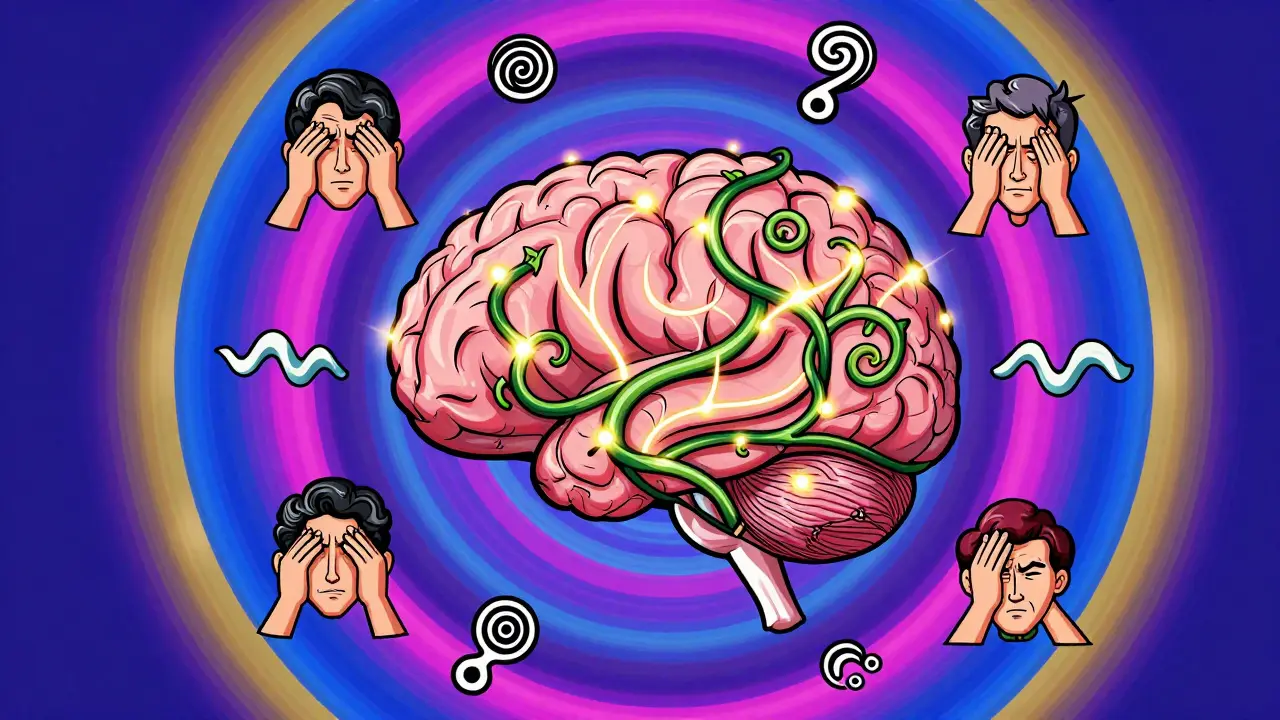
Post-Concussion Syndrome (PCS) happens when symptoms from a mild brain injury don’t go away like they should. Most people feel better within a few weeks after a concussion, but for some, headaches, dizziness, trouble focusing, or mood changes stick around for months-or longer. It’s not about more damage to the brain. By the time symptoms last beyond four weeks, the brain’s metabolism has usually healed. The problem isn’t structural. It’s functional. The brain is still struggling to manage energy, blood flow, and signals properly, even though the injury is technically over.
The official medical definition, based on the International Classification of Diseases, 10th Revision (ICD-10), says PCS is diagnosed when symptoms last longer than three months. But doctors often start watching closely after four weeks, especially if symptoms are worsening or not improving. You don’t need to lose consciousness or have a severe blow to develop PCS. Even a minor bump to the head can trigger it. What matters is how your body responds after the injury.
How Long Does Recovery Really Take?
There’s no one-size-fits-all timeline. About 70 to 80% of people recover fully within four weeks, especially if they start moving again gently and early. For many, symptoms fade within five to seven days. But for 15 to 30% of people, symptoms hang on. Some take three to six months. Others take over a year. And while rare, a small number of people continue to struggle beyond three years.
Age and history matter. Children, teens, and older adults tend to recover slower. If you’ve had a concussion before, your risk of prolonged symptoms goes up. Athletes who wait too long to get checked in-say, two or three weeks after the injury-take nearly three weeks longer to recover than those seen within a week. That’s not just coincidence. Early, guided activity makes a real difference.
One study of high school football players found that if someone was dizzy right after the hit, they were over six times more likely to have symptoms lasting more than three weeks. Another study showed that if your symptom score jumped more than 20 points on a standard checklist in the first 24 hours, your recovery could stretch beyond seven days. These aren’t guesses. They’re patterns seen across thousands of cases.
What Symptoms Should You Watch For?
PCS doesn’t just mean headaches. It’s a mix of physical, mental, and emotional signs:
- Physical: Headaches, dizziness, nausea, sensitivity to light or noise, blurred vision, fatigue
- Cognitive: Trouble concentrating, brain fog, memory lapses, slow thinking
- Emotional: Irritability, anxiety, depression, mood swings
- Sleep: Sleeping too much, too little, or having trouble falling asleep
These symptoms can overlap with stress, depression, or even long COVID. That’s why diagnosis isn’t just about checking boxes. It’s about ruling out other causes and seeing how the symptoms connect to your injury. If your symptoms started right after a head bump and haven’t improved after four weeks, PCS is a strong possibility.
Why Rest Alone Doesn’t Work Anymore
For years, the advice was simple: lie down, avoid screens, stay quiet. That’s still true for the first 24 to 72 hours after injury. But after that, staying completely still can actually make things worse. Research now shows that active rehabilitation is the key.
One major study found that patients who started light walking or stationary biking within a week of injury recovered 20 days faster than those who waited. Why? Movement helps restore blood flow to the brain. It trains the nervous system to handle stress again. It doesn’t mean going full sprint. It means gentle, controlled activity-like walking for 10 minutes, then resting, then trying again the next day.
Doctors now say: rest is not always best. Too much rest can make your brain more sensitive. It can lower your tolerance for normal activity. That’s why people feel worse when they try to go back to work or school-even if their brain has healed. They’ve lost their stamina.
How Recovery Is Measured
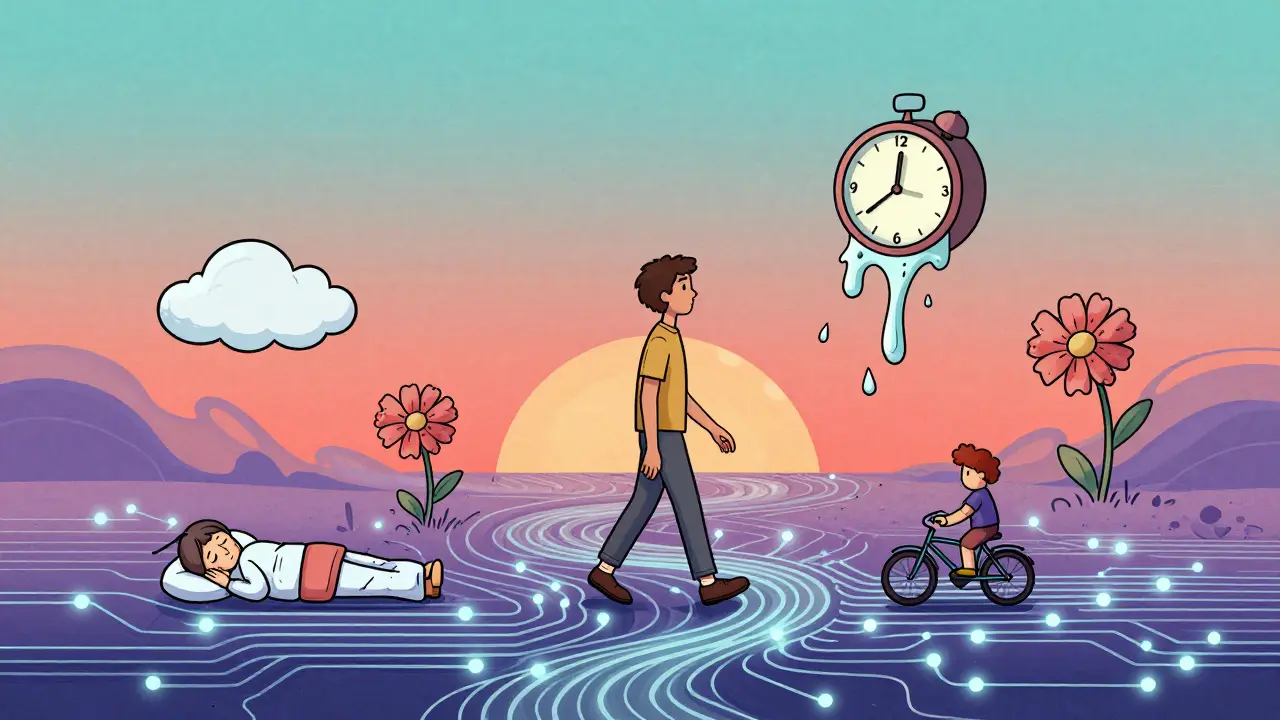
Recovery isn’t just about feeling better. It’s about proving your brain can handle real-life demands. Experts use clear benchmarks:
- Post-Concussion Symptom Scale (PCSS) score under 5 for men, under 6 for women
- No dizziness, nausea, or headaches during exercise
- Ability to reach 85-90% of your max heart rate without symptoms
- Normal performance on vision, balance, and neck mobility tests
These aren’t arbitrary numbers. They come from tracking thousands of patients. If you can walk up stairs without getting dizzy, read a page without your head pounding, or sit in a busy room without feeling overwhelmed-you’re on the right track.
What Works: Targeted Rehabilitation
PCS isn’t treated with one pill or one therapy. It needs a multi-system approach:
- Vestibular therapy: For dizziness and balance issues. Trains your inner ear and brain to work together again.
- Visual therapy: Helps with eye tracking, focusing, and light sensitivity. Often done with special lenses or computer exercises.
- Cervical (neck) therapy: Neck injuries often happen with concussions. Tight muscles or misalignment can cause headaches and dizziness.
- Gradual exertion: Slowly increasing heart rate through walking, cycling, or swimming. Builds tolerance without triggering symptoms.
- Cognitive pacing: Breaking tasks into smaller chunks. Taking breaks before you crash. Learning to work within your new limits.
One clinic tracked 270 patients using a four-day intensive rehab program. After just four days, 62% reported symptom improvement. After one year, most were still better. That’s not a fluke. It’s proof that the brain can rewire itself-even months after injury.
What Doesn’t Work
Don’t waste time on things that haven’t been proven:
- Strict bed rest beyond 72 hours
- Supplements like magnesium or omega-3s (unless you’re deficient)
- Hyperbaric oxygen chambers (no strong evidence for PCS)
- Waiting for symptoms to disappear on their own
Some people try every supplement, every new device, every alternative therapy. But unless it’s backed by research-like structured exercise or vestibular rehab-it’s unlikely to help. And it can delay real progress.
When to Seek Specialized Help
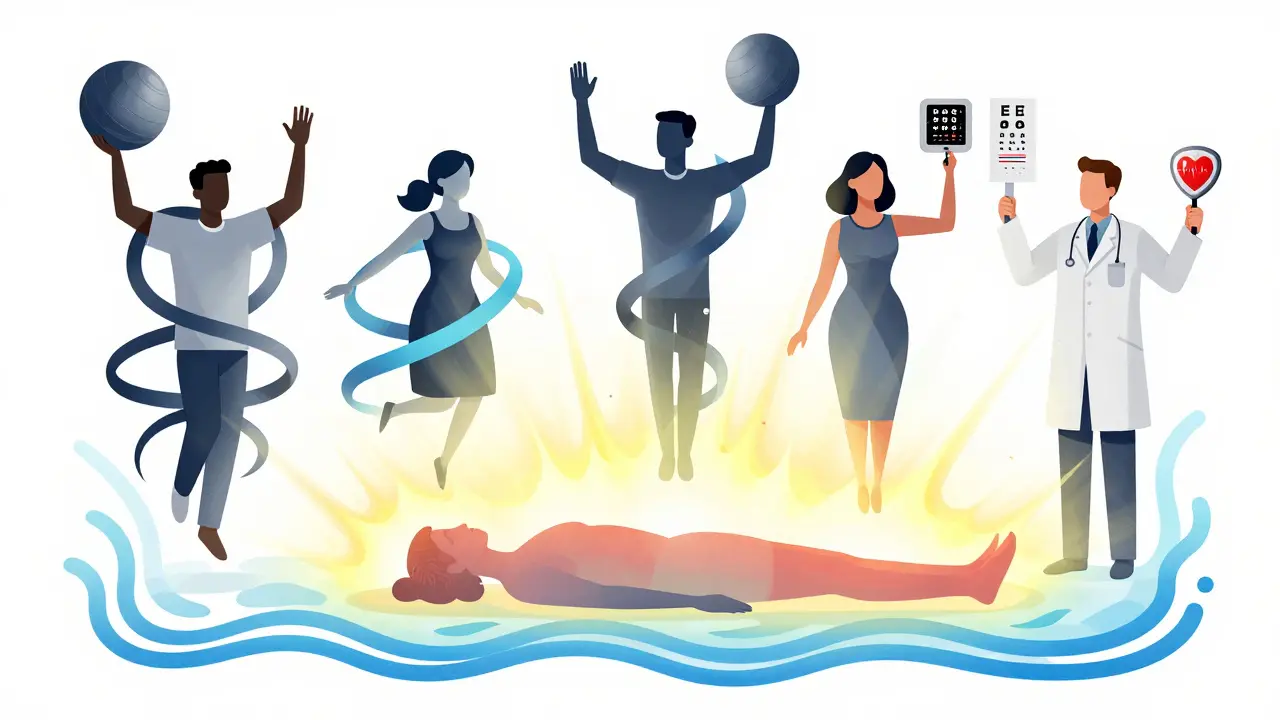
If you’re still struggling after six weeks, don’t wait. See a specialist trained in concussion recovery. General neurologists might not know the latest rehab protocols. Look for clinics that offer:
- Functional Neurocognitive Imaging (fNCI) scans to see brain blood flow patterns
- Customized rehab plans based on your symptoms
- Team-based care (physical therapists, occupational therapists, neuropsychologists)
The CONCERN study, running since 2021, is tracking 1,200 people to find early signs of PCS. That’s the future. But right now, the best tool is early, active rehab-not waiting.
Can You Ever Fully Recover?
Yes, most people do. Even those who take six months or a year. The brain is adaptable. With the right approach, it finds new ways to work. Studies show that 90% of concussion patients recover fully within a few months. For those with PCS, recovery might be slower, but it’s still possible.
There are rare cases where symptoms last years. But those are usually linked to delayed treatment, repeated injuries, or untreated mental health issues. The longer you wait to start rehab, the harder it gets. That’s why timing matters as much as the treatment.
Don’t let fear stop you. Your brain didn’t break. It got overwhelmed. And with the right support, it can reset.
What to Do Today
If you’re dealing with lingering symptoms:
- Stop pushing through pain. Rest when you need to-but don’t isolate yourself.
- Start walking 10 minutes a day. If it makes you dizzy, stop. Try again tomorrow.
- Reduce screen time, especially in low light. Use blue light filters.
- Write down your symptoms. Track what makes them better or worse.
- Find a clinician who specializes in concussion rehab-not just a general doctor.
You’re not broken. You’re in recovery. And recovery isn’t linear. Some days will feel like setbacks. That’s normal. Keep going. Your brain is still healing-even when you can’t feel it.
Leonard Shit
January 7, 2026 AT 07:54Don’t let anyone tell you it’s all in your head. It’s in your *nervous system*.
Ashley S
January 7, 2026 AT 20:13Jeane Hendrix
January 8, 2026 AT 11:00Also-yes, the neck stuff matters. I had a whiplash I didn’t even know I had. My PT found it. No MRI needed.
Rachel Wermager
January 8, 2026 AT 16:11Beth Templeton
January 9, 2026 AT 15:49Indra Triawan
January 10, 2026 AT 13:57Matt Beck
January 10, 2026 AT 20:15Like a laptop running 47 tabs while charging with a 5W adapter. You don’t need a new laptop. You just need to close some tabs… and maybe get a better charger.
Kelly Beck
January 11, 2026 AT 20:13Molly McLane
January 13, 2026 AT 05:54Katie Schoen
January 13, 2026 AT 14:19Brian Anaz
January 14, 2026 AT 02:14Katelyn Slack
January 14, 2026 AT 16:13Harshit Kansal
January 16, 2026 AT 05:14Mukesh Pareek
January 17, 2026 AT 09:54Tiffany Adjei - Opong
January 17, 2026 AT 12:40