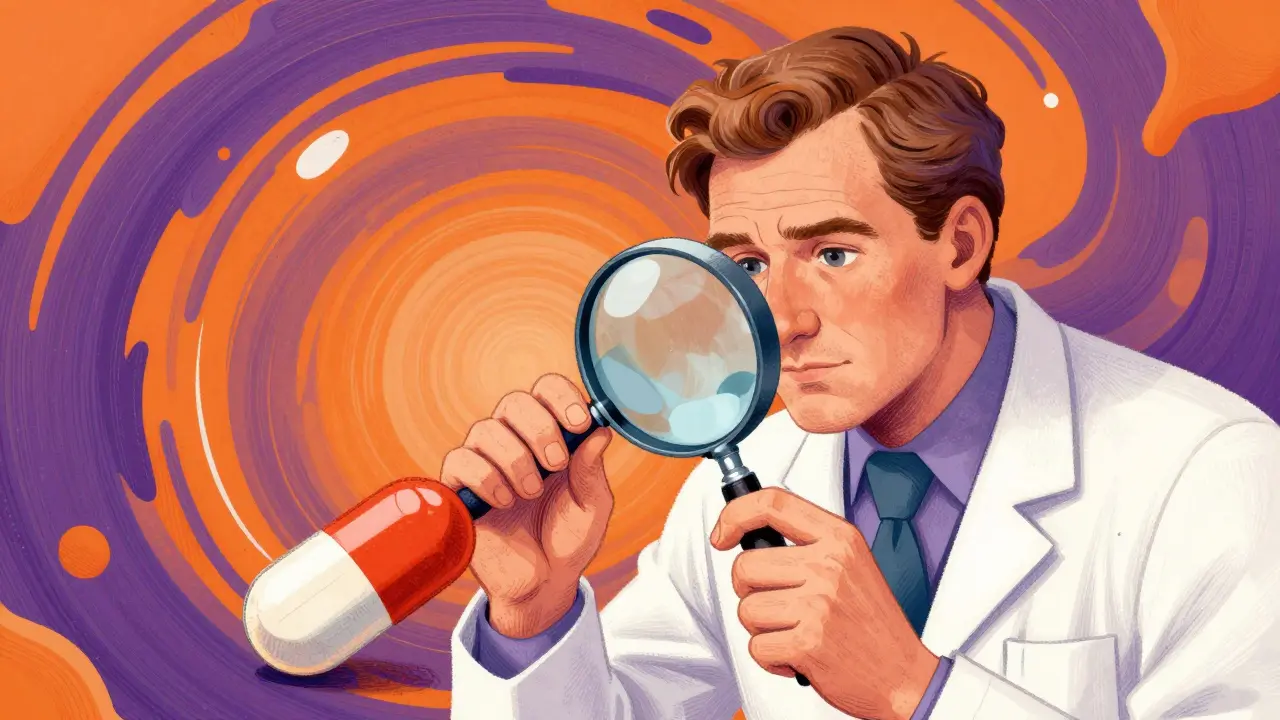
Did you know that 90% of prescriptions filled in the U.S. are for generic drugs? Yet most people have no idea how these affordable medications actually make it from the lab to your local pharmacy shelf. It’s not just about getting FDA approval. There’s a complex journey involving regulatory hurdles, manufacturing, and negotiations that can take months. Let’s break down exactly how generic drugs go from ANDA (Abbreviated New Drug Application) to your medicine cabinet.
What is the ANDA pathway?
The ANDA process was created by the Hatch-Waxman Act of 1984 to balance innovation with affordability. It lets generic drugmakers skip expensive clinical trials by using existing safety data from brand-name drugs. Instead, they prove their product is bioequivalent - meaning it works the same way in your body as the original. For example, a generic version of the blood pressure medication lisinopril must deliver the same amount of active ingredient at the same rate as the brand-name version.
This isn’t a simple shortcut. Manufacturers must submit detailed chemistry, manufacturing, and controls (CMC) data to the FDA. They also need to show their facility meets quality standards. The FDA reviews all this before approving the product. Without this step, generics couldn’t legally enter the market.
How long does FDA approval take?
For standard ANDAs, the FDA’s average review time is 30 months under current regulations. But it’s not always that straightforward. Drugs addressing shortages or unmet medical needs can get expedited review - sometimes cutting approval time in half. In 2022, the FDA approved 112 first generic versions of drugs with combined U.S. sales of $39 billion.
Here’s the catch: about 40% of initial ANDA submissions get rejected outright. Common reasons include incomplete manufacturing data, bioequivalence study flaws, or labeling errors. One FDA official noted in 2023 that the average applicant needs 1.7 review cycles to get approval. That’s why many manufacturers schedule pre-ANDA meetings with the FDA before submitting. These consultations reduce major deficiencies by 30%.
Manufacturing: From approval to production
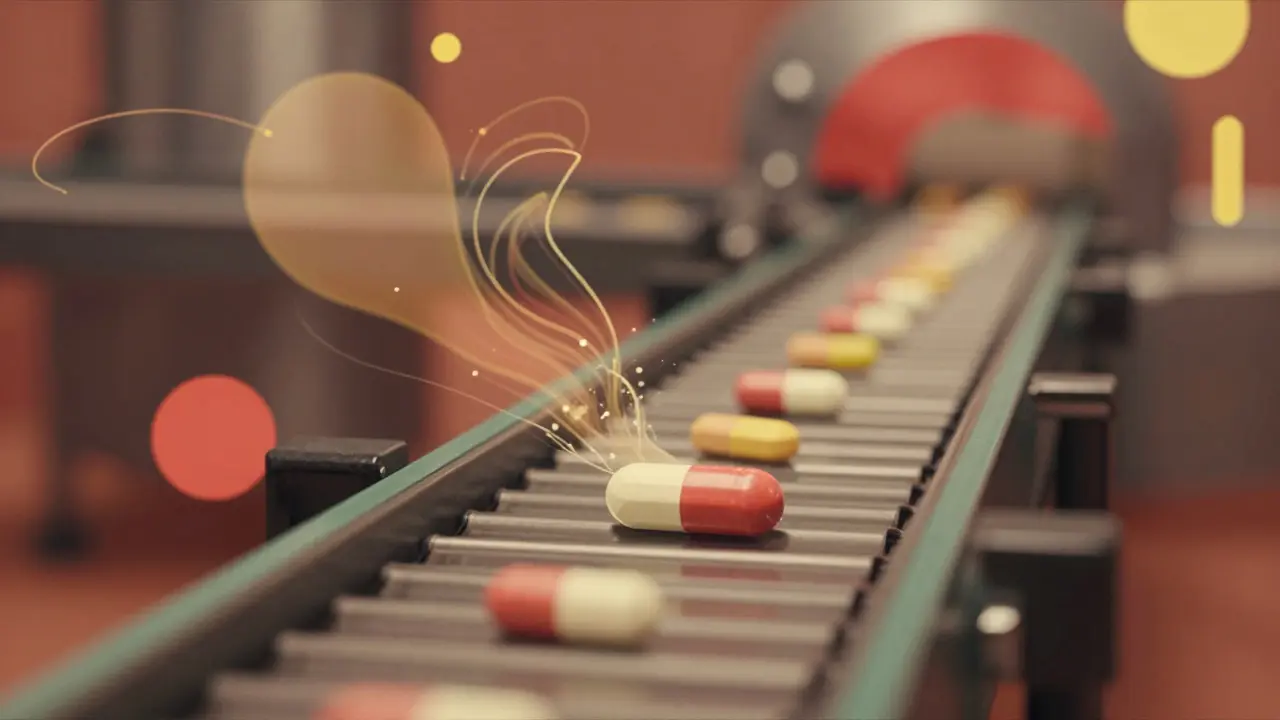
Getting FDA approval is just the start. Now manufacturers must scale up production from small test batches to full commercial volumes. This phase takes 60-120 days and involves rigorous quality checks. For example, making a generic inhaler requires precise control over particle size and spray patterns to match the brand-name product.
Complex generics like topical creams or injectables face even tougher hurdles. According to industry reports, only 65% of these complex products get approved on the first try, compared to 85% for standard pills or liquids. A single batch failure can delay production by weeks while manufacturers troubleshoot issues like inconsistent drug dissolution rates.
Pharmacy Benefit Managers: The hidden gatekeepers
Even after manufacturing, generics face another major hurdle: Pharmacy Benefit Managers (PBMs). These middlemen negotiate drug prices with insurers and pharmacies. They decide which drugs get placed on insurance formularies - and at what cost tier. Getting on the preferred tier (Tier 1) often requires discounts 20-30% deeper than initial pricing projections.
Teva Pharmaceuticals’ experience with its generic EpiPen illustrates this perfectly. They received FDA approval in August 2019, but the product didn’t hit pharmacy shelves until March 2020. Why? Because they spent months negotiating with PBMs like Express Scripts and OptumRx. As one industry insider noted on Reddit in 2023: "Getting on the top 3 tiers of major PBMs can make or break a generic launch."
Distribution: How drugs reach pharmacies
Once pricing is settled, wholesalers step in. Companies like McKesson, Cardinal Health, and AmerisourceBergen integrate new products into their distribution networks. This usually takes 15-30 days. During this phase, pharmacies receive shipment notifications and update their inventory systems.
Real-world data shows distribution times vary by drug type. Cardiovascular generics typically reach pharmacies within 87 days of approval, while complex respiratory products take 145 days on average. A 2023 Drug Channels Institute report found that only 75% of tier-1 generic drugs achieve high market share within six months - compared to 35% for non-preferred generics.
Why this matters for patients
Generic drugs save the U.S. healthcare system $1.67 trillion over the past decade. They’re typically 80-85% cheaper than brand-name drugs. In 2022 alone, generics dispensed 6.3 billion prescriptions worth $124.7 billion. But this system isn’t perfect. Drug shortages, patent disputes, and manufacturing delays can disrupt supply chains.
For example, when the FDA flagged quality issues at an overseas manufacturing plant in 2021, it caused nationwide shortages of certain antibiotics. This highlights why ongoing regulatory oversight is critical. The FDA’s Data Standards for Drug Applications rule (effective January 2024) aims to streamline electronic submissions, but it also adds new compliance challenges for manufacturers.
Frequently Asked Questions
How long does the ANDA approval process take?
The FDA’s average review time for a standard ANDA is 30 months under current regulations. However, drugs addressing shortages or urgent medical needs can receive expedited review - sometimes cutting approval time in half. First generic applications typically move faster than follow-on versions.
Can a generic drug be approved but still not available in stores?
Yes. FDA approval is just the first step. Manufacturers must then scale production, negotiate with Pharmacy Benefit Managers (PBMs) for formulary placement, and work with wholesalers to distribute the drug. This can add 3-6 months before the product reaches retail pharmacies. Teva’s generic EpiPen took 7 months from approval to shelf availability due to PBM negotiations.
Why do some generic drugs cost more than others?
Cost differences come down to competition and complexity. When multiple manufacturers make the same generic, prices drop significantly. But for complex products like inhalers or injectables, fewer companies can produce them - leading to higher prices. Manufacturing challenges, like maintaining precise particle sizes in inhalers, also drive up costs. A simple pill might cost $0.10 per dose, while a complex generic inhaler could cost $50 or more.
What role do patents play in generic drug availability?
Patents are the biggest barrier to generic entry. Brand-name drugs typically have 20-year patents from the date of filing. Generic manufacturers can’t enter the market until these expire. Some companies use "evergreening" tactics - filing new patents for minor changes - to delay generics. When generic makers challenge patents through Paragraph IV certifications, it can trigger 30-month stays on approval. In 2022, six companies filed ANDAs for Eliquis (apixaban) simultaneously to capture market share upon patent expiration.
How do shortages affect generic drug supply?
Shortages happen when manufacturing issues, raw material shortages, or regulatory actions disrupt supply. In 2021, the FDA flagged quality issues at a major overseas plant, causing nationwide shortages of antibiotics like amoxicillin. Complex generics are especially vulnerable - they often rely on single-source suppliers for critical ingredients. The FDA now tracks shortages more closely and prioritizes approval of generics for shortage-prone drugs. Over 100 first generics were approved in 2022 specifically to address critical shortages.
jan civil
February 6, 2026 AT 09:57FDA approval for generics averages 30 months. But expedited for shortages.
Kate Gile
February 8, 2026 AT 08:53That's correct. The Hatch-Waxman Act balances innovation and affordability, making generics accessible.
Jenna Elliott
February 10, 2026 AT 05:58FDA review time too slow 30 months is way too long Need faster approvals
Sam Salameh
February 12, 2026 AT 03:00Agreed. Bringing manufacturing back to US would help. Safety first.
anjar maike
February 13, 2026 AT 23:25Generic drugs save billions 💰 FDA process complex but necessary 🧠
Georgeana Chantie
February 14, 2026 AT 19:28Actually it's a scam Big Pharma controls everything 😏
Kieran Griffiths
February 16, 2026 AT 07:28It's fascinating how the entire process from ANDA to shelf involves so many steps.
First, the FDA review for bioequivalence takes time, especially for complex drugs.
Then manufacturing scales up, which can take 60-120 days.
But even after that, Pharmacy Benefit Managers (PBMs) negotiate formulary placement, which can add months.
For instance, Teva's generic EpiPen took seven months from approval to shelves due to PBM negotiations.
Distribution through wholesalers like McKesson also takes time.
And don't forget the role of patents; evergreening tactics delay generics.
Drug shortages happen when overseas plants face quality issues.
The FDA's new Data Standards rule aims to streamline submissions but adds compliance challenges.
Overall, it's a complex ecosystem where every step affects patient access.
Understanding these nuances helps appreciate why generics aren't always immediately available.
It's not just about approval; it's about the entire supply chain.
Each stage has its own hurdles that need careful management.
This is why patients sometimes face delays even after FDA approval.
The system works, but it's not perfect.
Lisa Scott
February 17, 2026 AT 21:00The ANDA pathway circumvents clinical trials via bioequivalence data, yet manufacturing scalability and PBM formulary negotiations introduce significant lag. Patent evergreening exacerbates delays, while regulatory oversight gaps perpetuate shortages. Systemic inefficiencies necessitate comprehensive reform.
Tehya Wilson
February 18, 2026 AT 10:37The regulatory framework is fundamentally flawed. Systemic failure in ensuring timely access.