Oral Mucositis Prevention Calculator
Personalized Prevention Guide
This tool identifies the most effective strategies to prevent medication-induced mouth sores based on your treatment type and specific medications. Results are based on current clinical evidence.
When you’re taking medication for cancer, autoimmune disease, or even high blood pressure, the last thing you expect is painful sores inside your mouth. But for many, this isn’t rare-it’s common. These sores, known as oral mucositis, aren’t just annoying. They can make eating, speaking, and even swallowing unbearable. In some cases, they lead to hospital stays, missed treatments, and higher medical bills. The good news? You don’t have to just suffer through them. Prevention works better than treatment, and there are real, evidence-backed ways to avoid or reduce them.
What Exactly Are Medication-Induced Mouth Sores?
Oral mucositis isn’t a cold sore or a canker sore you get from stress. It’s a direct side effect of certain drugs-especially chemotherapy, radiation, and some immunosuppressants. These treatments damage the fast-growing cells lining your mouth. Think of it like a sunburn inside your lips, tongue, and cheeks. The tissue breaks down, becomes inflamed, and opens up into painful ulcers. According to a 2022 NIH review, between 20% and 100% of cancer patients on chemo or radiation develop this, depending on the drugs used.
It’s not just cancer patients. People on high-dose methotrexate, certain antibiotics, or even some blood pressure meds can get these sores. The severity is graded on a scale from 0 (no sores) to 4 (unable to eat or drink). Severe cases can cost over $15,000 extra in hospital care per person, according to a 2019 study. That’s why doctors now say: prevent it before it starts.
Top Prevention Strategies That Actually Work
Forget waiting until your mouth hurts. The best time to act is before treatment begins. Here are the most effective methods backed by clinical trials and guidelines from the Multinational Association of Supportive Care in Cancer (MASCC/ISOO):
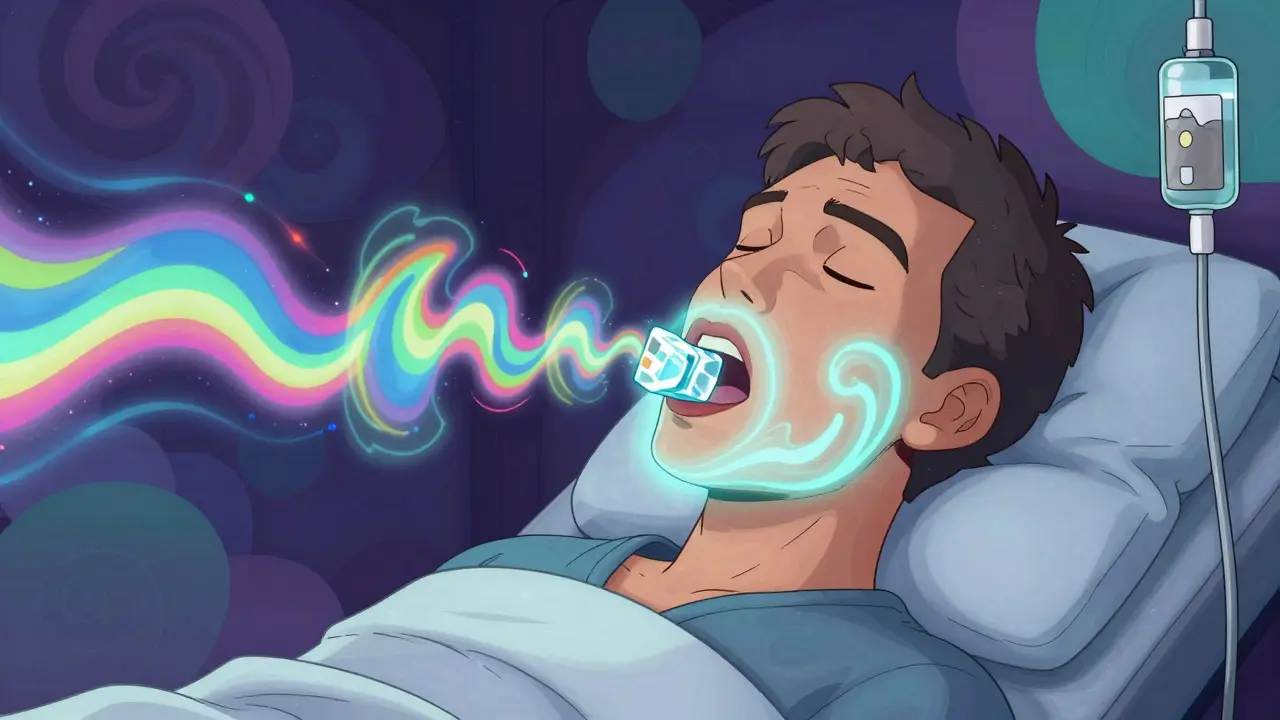
- Cryotherapy (ice chips): If you’re getting chemo with melphalan or 5-fluorouracil, suck on ice chips for 30 minutes-starting 5 minutes before the infusion. This cools your mouth, slowing blood flow and reducing how much drug reaches your oral tissue. A 2015 Cochrane review found this cuts severe sores by half. Patients on Reddit report it’s the #1 thing that helped them.
- Benzydamine mouthwash: This anti-inflammatory rinse reduces severe mucositis by 34% in radiation patients. Use it 3-4 times a day, starting before treatment. It’s cheap ($15-$25 per course) and has minimal side effects. Just avoid it if you’re allergic to aspirin.
- Pre-treatment dental checkup: Get your teeth cleaned and any loose fillings or infections fixed 2-4 weeks before starting chemo or radiation. A 2024 Roswell Park protocol found 78% of severe cases could be avoided this way. Loose teeth or gum disease can turn into open wounds when your immune system is down.
- Glutamine rinse: Dissolve 15 grams of glutamine powder in water, swish for 2 minutes, then swallow. Do this 4 times daily. A 2017 JAMA Oncology trial showed it shortened ulcer duration by 43%. It doesn’t work for everyone, but if you’re getting radiation for head and neck cancer, it’s worth a try.
- Low-level laser therapy (LLLT): New in 2023, this non-invasive treatment uses a specific red light (650nm wavelength) on the mouth for a few minutes before and after chemo. A 2023 JAMA Network Open study showed it cut severe sores from 41% to 18%. It’s becoming available in major cancer centers.
What Doesn’t Work (And Why)
Not every remedy you hear about helps. Some are outdated. Others are overhyped. Here’s what the science says about common practices:
- Chlorhexidine mouthwash (0.12-0.2%): Widely prescribed, but only reduces risk by 15%. Worse, it can stain your teeth brown and mess with taste. A 2020 survey in Oral Diseases found 28% of users hated the metallic taste. Experts now say it’s not a first-line defense.
- Allopurinol mouthwash: Sounds promising-it’s used for gout-but evidence is thin. One 2022 review found a 40% reduction in radiation-induced sores, but no benefit for chemo. Don’t rely on it alone.
- Systemic antibiotics: The American Society of Clinical Oncology discourages using them to prevent sores. A 2021 JAMA Internal Medicine study showed they increase the risk of dangerous gut infections like C. diff by 27%.
- Benzocaine gels (like Orajel): Avoid these. The FDA warned in 2021 that benzocaine can cause a rare but deadly blood condition called methemoglobinemia, especially in kids. Even adults can get it.
Pain Relief When Sores Happen
Even with prevention, sores can still appear. When they do, here’s what helps:
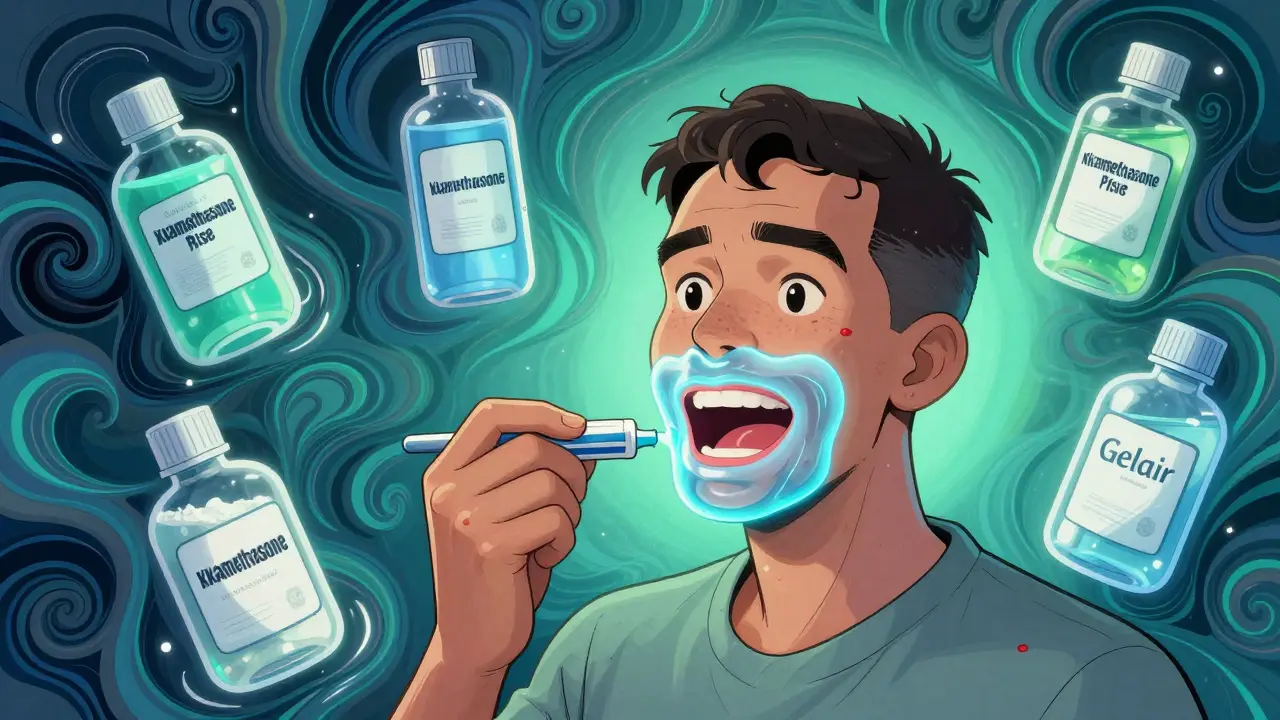
- Dexamethasone mouthwash: A 0.5mg/5mL rinse used 4 times a day cuts pain scores by 37% on a 10-point scale, according to Roswell Park’s 2024 protocol. It’s a steroid, so use only as directed.
- Gelclair: This sticky gel coats ulcers like a protective bandage. It’s made of sodium hyaluronate and glycerin. A 2018 study in BMC Cancer found it lasts 4 hours per application. Users on Reddit gave it 4.2/5 stars-but 33% said it felt slimy and made speech hard.
- Baking soda rinse: Mix 1 teaspoon in 8 ounces of water. Rinse after meals. It neutralizes acid, soothes irritation, and is safe for daily use. No cost. No side effects.
- Artificial saliva (Biotene): If your mouth feels dry (which 63% of radiation patients report), this helps. Dryness makes sores worse. Biotene sprays or gels are used by 71% of compliant patients.
What to Avoid in Daily Oral Care
Even small habits can make things worse. Here’s what to skip:
- Toothpaste with sodium lauryl sulfate (SLS): This foaming agent irritates sensitive tissue. Switch to an SLS-free brand like Sensodyne or Tom’s of Maine.
- Hard-bristled toothbrushes: Use a soft-bristle brush with bristles under 0.008 inches thick. A children’s toothbrush works perfectly.
- Alcohol-based mouthwashes: They dry out your mouth and sting open sores. Skip them.
- Spicy, acidic, or crunchy foods: Citrus, tomatoes, chips, and hot sauces can feel like acid on raw skin. Stick to soft, bland foods like mashed potatoes, yogurt, and oatmeal.
- Smoking and alcohol: Both delay healing and increase infection risk. Quitting isn’t optional-it’s essential.
Cost, Access, and Real-World Barriers
Some treatments are powerful-but expensive. Palifermin, for example, cuts severe sores from 63% to 20% in stem cell transplant patients. But it costs $10,500 per course. Medicare covers it, but many uninsured patients can’t afford it. A 2022 Patient Advocate Foundation study found 92% of uninsured people couldn’t get it.
On the flip side, benzydamine and ice chips cost less than $30 total. Cryotherapy costs nothing but time. Gelclair runs $20-$30 per tube but lasts a few days. Many patients prioritize cost-effective options: 78% of those on CancerCare’s forum said ice chips were “very or somewhat helpful.”
Another hurdle? Timing. You need to start cryotherapy 5 minutes before chemo, use benzydamine 15 minutes before meals, and avoid food right after. That’s hard when you’re tired or nauseous. Support groups and nurses often help patients stick to routines. Don’t hesitate to ask for help.
What’s Next in Research
Scientists aren’t done. A new drug called GC4419, a superoxide dismutase mimetic, reduced severe mucositis duration by 38% in a 2024 trial. Memorial Sloan Kettering has built a risk-prediction tool using 12 factors-like age, type of chemo, and oral health-to spot who’s most at risk. It’s 84% accurate. Soon, prevention might be personalized: not everyone gets the same care.
Also, low-level laser therapy is moving from research centers into clinics. If it keeps working, it could become standard-like brushing your teeth.
Bottom Line: Prevention Beats Pain
Mouth sores from meds aren’t inevitable. You don’t have to just endure them. Start before treatment: see a dentist, use ice chips if your chemo allows it, rinse with benzydamine or baking soda, and ditch irritating toothpaste. If sores appear, use Gelclair or dexamethasone rinse. Avoid unproven fixes like chlorhexidine or antibiotics.
The goal isn’t perfection-it’s control. With the right steps, you can keep eating, talking, and staying strong through treatment.
Can medication-induced mouth sores be prevented entirely?
Not always, but they can be significantly reduced. For example, cryotherapy cuts severe sores by 50% in patients getting melphalan or 5-FU chemo. Benzydamine reduces them by 34% in radiation patients. Pre-treatment dental care prevents 78% of severe cases. Prevention doesn’t guarantee zero sores, but it cuts their severity and duration dramatically.
Is Gelclair better than dexamethasone for pain relief?
They work differently. Gelclair is a protective coating that lasts 4 hours and reduces pain by shielding the sore. Dexamethasone is a steroid that reduces inflammation and pain at the source. Gelclair gives quick, short-term relief. Dexamethasone works over time and is better for persistent pain. Many patients use both: Gelclair for immediate comfort, dexamethasone for ongoing control.
Why is ice chips so effective for some chemo drugs but not others?
Cryotherapy works best with short-infusion drugs like melphalan and 5-fluorouracil because they enter the bloodstream quickly. Cooling the mouth reduces blood flow just as the drug arrives, limiting exposure. For drugs given over hours (like continuous infusions), or those that act differently, cooling doesn’t help. It’s not a universal solution-it’s targeted.
Can I use regular mouthwash if I have mouth sores?
No. Most commercial mouthwashes contain alcohol, which stings and dries out tissue. Even those labeled "for sensitive mouths" often have sodium lauryl sulfate, which worsens ulcers. Stick to saltwater rinses, baking soda rinses, or prescribed rinses like benzydamine or dexamethasone. Always check with your care team before using anything new.
What if I can’t afford palifermin or Gelclair?
You don’t need them. Cryotherapy (ice chips) and benzydamine are highly effective and low-cost. Baking soda rinses are free. SLS-free toothpaste costs the same as regular. Ask your oncology nurse or social worker about patient assistance programs-many drug manufacturers offer free samples or discounts. Prevention doesn’t require expensive products.

Lisandra Lautert
February 22, 2026 AT 09:46Ice chips worked for me during chemo. No joke. Just 30 minutes of sucking on frozen water and my mouth stayed intact. Doctors act like it’s a myth, but it’s science.
lela izzani
February 23, 2026 AT 10:05Pre-treatment dental checkup saved my life. I had a loose molar I ignored-got chemo anyway. Two weeks in, it turned into a full-blown abscess. Hospital. IV antibiotics. Missed two rounds. Don’t be like me. Get that cleaning. Even if you think it’s ‘fine.’
Joseph Cantu
February 25, 2026 AT 02:59They say cryotherapy works but nobody tells you how brutal it is. Sucking ice chips while your chemo drips in? Your teeth feel like they’re cracking. Your jaw locks. You’re shaking. And they act like it’s a chill little trick. Meanwhile, the hospital won’t give you a proper cup-you have to hold the ice in your hand like a weird science experiment. And then they charge you $200 for a tube of Gelclair when baking soda is free. This whole system is rigged. They profit off your suffering.
And don’t get me started on palifermin. $10,500? For a drug that barely works? Meanwhile, the same hospital won’t give you a $15 benzydamine rinse without a 3-week waiting list. It’s not about care. It’s about who can pay.
They’re not trying to heal you. They’re trying to keep you in the system. I’ve seen it. I’ve been it. And now I’m here to say: don’t trust their ‘evidence.’ Trust your gut. And your ice.
Joanna Reyes
February 25, 2026 AT 19:15I’ve been on methotrexate for psoriasis for six years, and I didn’t realize oral mucositis was even a thing until I got a full-blown ulcer that made me cry while eating yogurt. I thought it was just ‘stress sores.’ Turns out, it was the drug. I started using the baking soda rinse after reading this and holy hell-it’s like a miracle. No more burning. No more numbness. I swear, I used to dread brushing my teeth. Now I do it twice a day like a ritual. I even bought an SLS-free toothpaste on sale. It’s $4. I didn’t even know that stuff existed before this post.
Also, the part about avoiding spicy food? Game-changer. I used to eat hot wings like they were candy. Now I stick to mashed potatoes and lukewarm soup. My partner thinks I’ve gone vegan. I haven’t. I’ve just stopped torturing my mouth. If you’re on meds, please, just try the rinse. It takes 30 seconds. You have nothing to lose.
And yes, I know Gelclair feels slimy. I don’t care. I’d rather feel like a wet otter than feel like my tongue is on fire.
Also, why is no one talking about how hard it is to keep up with all these routines when you’re exhausted? I’m not a nurse. I’m not a scientist. I’m just someone trying to eat lunch without crying. We need more compassion, not more checklists.
But seriously. Baking soda rinse. Try it. You’ll thank me.
Stephen Archbold
February 27, 2026 AT 19:09Just had my first chemo session last week. Used the ice chips. Didn’t think it’d work. Turned out, I didn’t get a single sore. My nurse was shocked. Said I was the first one in three months who didn’t need Gelclair. Just ice. No cost. No prescription. Just… ice.
Also, shoutout to the guy who mentioned the dental checkup. I didn’t do it. Now I’m terrified I made a mistake. Anyone else regret skipping it?
Nerina Devi
February 28, 2026 AT 06:36In India, we don’t have access to most of these treatments. No Gelclair. No benzydamine. No laser therapy. But we have salt. We have baking soda. We have mothers who teach their children to rinse after every meal. We have tradition that works. I’m not saying Western medicine is wrong-I’m saying we’ve forgotten the power of simple things. My aunt had oral cancer. She used turmeric paste, warm salt water, and coconut oil. No hospital. No pharmacy. Just love. She’s alive today. Don’t underestimate what’s in your kitchen.
Cory L
March 2, 2026 AT 01:11Low-level laser therapy sounds like sci-fi, but I saw it in action at MD Anderson. It’s like a dentist’s LED light, but red. You sit there for 5 minutes. No pain. No side effects. And guess what? It actually helps. I was skeptical too. Now I’m telling everyone. If your center offers it, say yes. Even if it’s just one session. It’s not magic. It’s physics.
Also, I used to think ice chips were for wimps. Now I’m the guy who brings a cooler to chemo. I’ve got a whole bag of frozen cubes. I even labeled them ‘Chemo Armor.’ My nurse took a picture. I’m basically a superhero now.
Vanessa Drummond
March 3, 2026 AT 10:42Why is everyone acting like this is new? My mom had chemo in the 90s and they told her to suck on ice. She did. She didn’t get sores. Why are we treating this like a breakthrough? Because the pharmaceutical industry needed a way to sell us $30 gels and $10K drugs. Ice chips don’t make money. Gelclair does. Don’t fall for it. The science hasn’t changed. The profit margins have.
Southern Indiana Paleontology Institute
March 3, 2026 AT 17:17Y’all are overthinking this. I’m a veteran. I’ve been through 3 deployments. Chemo? Same thing. Just suck ice. Brush with baking soda. Don’t eat spicy food. No fancy lasers. No $200 gels. We don’t need all this corporate BS. Just do the basics. You don’t need a PhD to rinse your mouth. You need discipline. And America’s lost that. We want a pill for everything. Just do the damn thing.
Dinesh Dawn
March 3, 2026 AT 21:37My cousin’s on immunosuppressants for lupus. She started using the glutamine rinse after I sent her this. Said it felt like a cool hug inside her mouth. She’s been using it for 3 months. No ulcers. No pain. Just quiet relief. I’m not a doctor. But if something feels like a hug, maybe it’s working.
Anil bhardwaj
March 5, 2026 AT 10:40My oncologist told me to use benzydamine. I didn’t have insurance. Asked if there was a generic. He said no. So I ordered it from a pharmacy in Mexico. Paid $12. Shipped in 5 days. It worked. Same stuff. Same results. Why are we paying 5x? Just saying.
tia novialiswati
March 5, 2026 AT 18:47You got this. Seriously. I’ve been where you are. Sucking ice. Rinsing with salt. Avoiding my favorite coffee. It’s hard. But you’re not alone. Every time you do one of these things? You’re winning. Not because it’s perfect. But because you showed up. And that’s enough. 💪