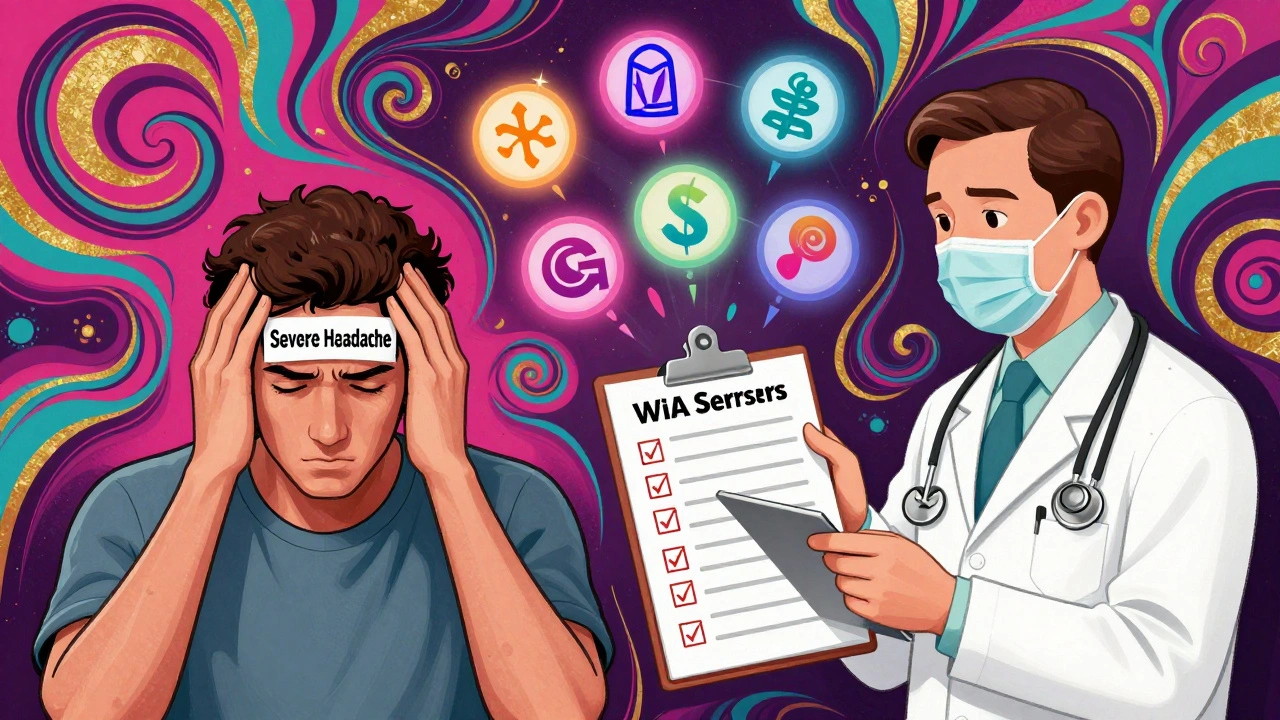
When you’re running a clinical trial, every patient reaction matters-but not every reaction needs to be reported the same way. The difference between a serious adverse event and a non-serious one isn’t about how bad it feels. It’s about what it does to the patient’s life. Confusing the two isn’t just a mistake-it’s a system-wide problem that wastes time, money, and attention when it’s needed most.
What Makes an Adverse Event ‘Serious’?
An adverse event (AE) is any unwanted medical occurrence during a clinical trial, whether or not it’s linked to the drug or device being tested. But only a subset of these are classified as serious. And the definition isn’t based on pain level, intensity, or how scary it sounds. It’s based on outcomes. According to the U.S. FDA and the International Council for Harmonisation (ICH E2A), an adverse event is serious if it meets any one of these six criteria:- It caused death
- It was life-threatening
- It required hospitalization or extended an existing hospital stay
- It led to persistent or significant disability or incapacity
- It resulted in a congenital anomaly or birth defect
- It required medical or surgical intervention to prevent one of the above outcomes
That’s it. No more, no less.
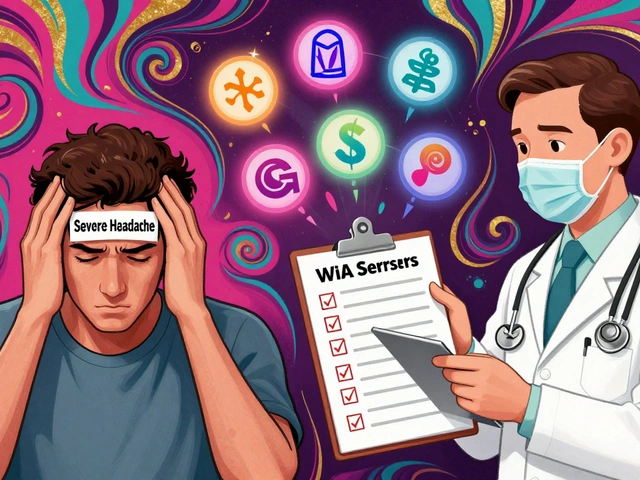
Let’s say a participant gets a bad headache during a trial. If it’s so intense they can’t work for a day-that’s severe in terms of intensity. But unless it led to hospitalization, brain surgery, or permanent damage, it’s not serious. On the flip side, a mild rash that triggers anaphylaxis and requires emergency epinephrine? That’s serious-even if the rash itself looked harmless.
The confusion between severity and seriousness is the most common error in safety reporting. Dr. Robert Temple, former FDA deputy director, called it a persistent flaw that floods systems with noise. In 2019, nearly 37% of reports submitted to institutional review boards (IRBs) as serious turned out not to be. That’s almost four in ten reports that shouldn’t have been sent at all.
When Do You Have to Report?
Timing isn’t negotiable. The rules are strict, and they’re different for serious vs. non-serious events.Serious adverse events (SAEs) must be reported to the trial sponsor immediately. That means within 24 hours of the investigator becoming aware of the event-even if they’re not sure it’s related to the study drug. The FDA’s 21 CFR 312.32 is clear: delay isn’t an option. This isn’t a suggestion. It’s a legal requirement.
Once the sponsor receives the report, they must send it to the FDA within:
- 7 calendar days if the event is life-threatening
- 15 calendar days for all other serious events
For the Institutional Review Board (IRB), serious events must be reported within 7 days. Non-serious events? They’re usually documented in Case Report Forms (CRFs) and reported in bulk-monthly or quarterly-based on the trial’s Data and Safety Monitoring Plan (DSMP). Some protocols don’t require IRB reporting for non-serious events at all.
Here’s the reality: if you miss a 24-hour window for an SAE, you’re not just being late-you’re risking regulatory action, audit findings, or even trial suspension. Sites like UCSF reported that over 40% of AE reports in 2022 needed clarification because of incorrect seriousness classification. That’s not just paperwork-it’s delays that cost money and slow down life-saving research.
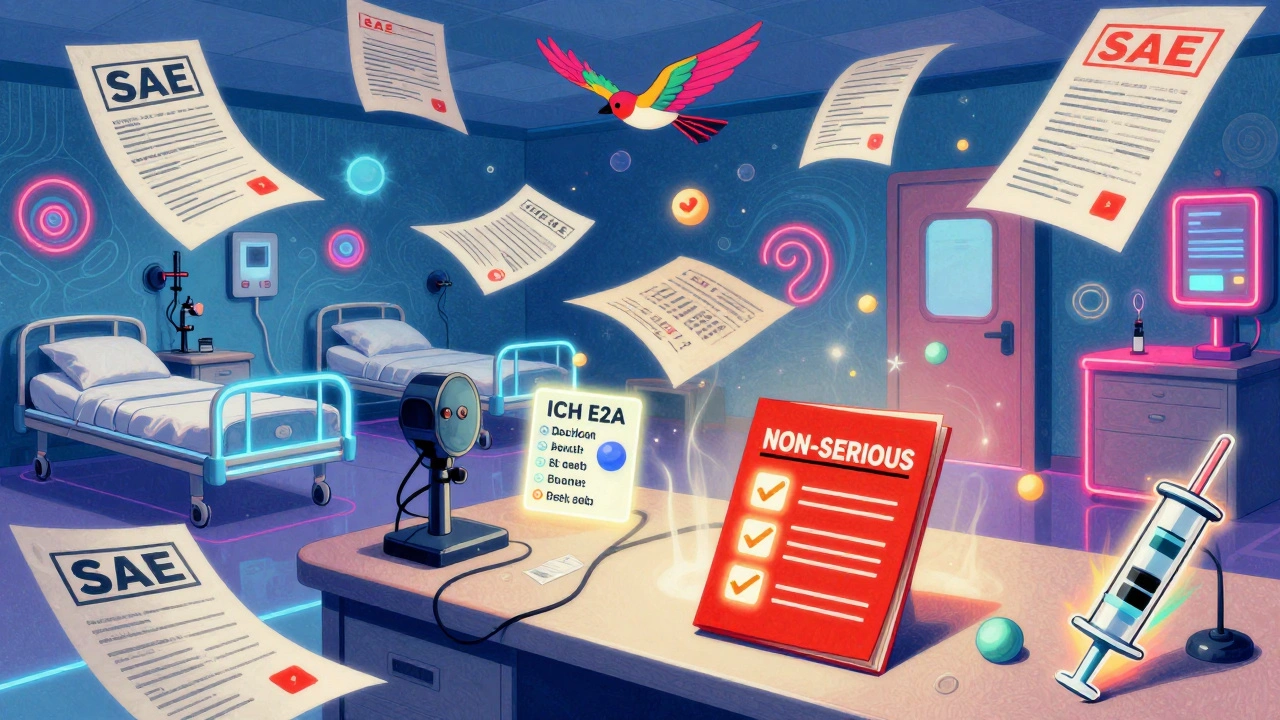
Why So Many Reports Are Wrong
You’d think this would be straightforward. But it’s not.One major reason? People mix up “severe” with “serious.” A patient with cancer might have a grade 3 nausea (severe) because of chemotherapy. But if they don’t get hospitalized, don’t need IV fluids to prevent dehydration, and don’t develop kidney failure? That’s still non-serious. Yet, in oncology trials, 78% of sites report inconsistent seriousness determinations-mostly because baseline conditions muddy the waters.
Psychiatric events are another minefield. A participant reports “severe anxiety.” They cry, can’t sleep, and feel overwhelmed. Sounds serious. But unless that anxiety led to a suicide attempt, hospitalization, or self-harm, it doesn’t meet the regulatory definition. Reddit threads from clinical research coordinators are full of this confusion. One user wrote: “I spent three hours arguing with a PI who thought ‘severe depression’ = SAE. It didn’t. We had to reclassify it.”
Even the tools aren’t perfect. A 2022 survey of 347 research sites found that 63% had inconsistent seriousness decisions across different studies at the same institution. That’s not just training-it’s systemic.
How to Get It Right Every Time
There’s a simple decision tree the NIH recommends for every AE:- Did the event cause death?
- Was it life-threatening?
- Did it require hospitalization or prolong an existing one?
- Did it cause persistent or significant disability?
If the answer is yes to any of these-report it as serious. If not, it’s non-serious. Period.
Use standardized tools. The Common Terminology Criteria for Adverse Events (CTCAE v5.0) grades severity (mild, moderate, severe), but you still need to apply the seriousness criteria separately. Most sponsors now use both systems side-by-side.
Training isn’t optional. ICH E6(R2) requires documented training on these definitions before any participant is enrolled. Top research institutions require annual refreshers. If your site hasn’t done a training session in over a year, you’re already behind.
And don’t ignore the tech. AI tools for automatic seriousness classification are now hitting 89.7% accuracy-up from 76% in 2020. They don’t replace human judgment, but they flag the edge cases. The FDA is piloting natural language processing tools that can scan narrative reports and suggest seriousness status. Early results show a 47% drop in processing time.
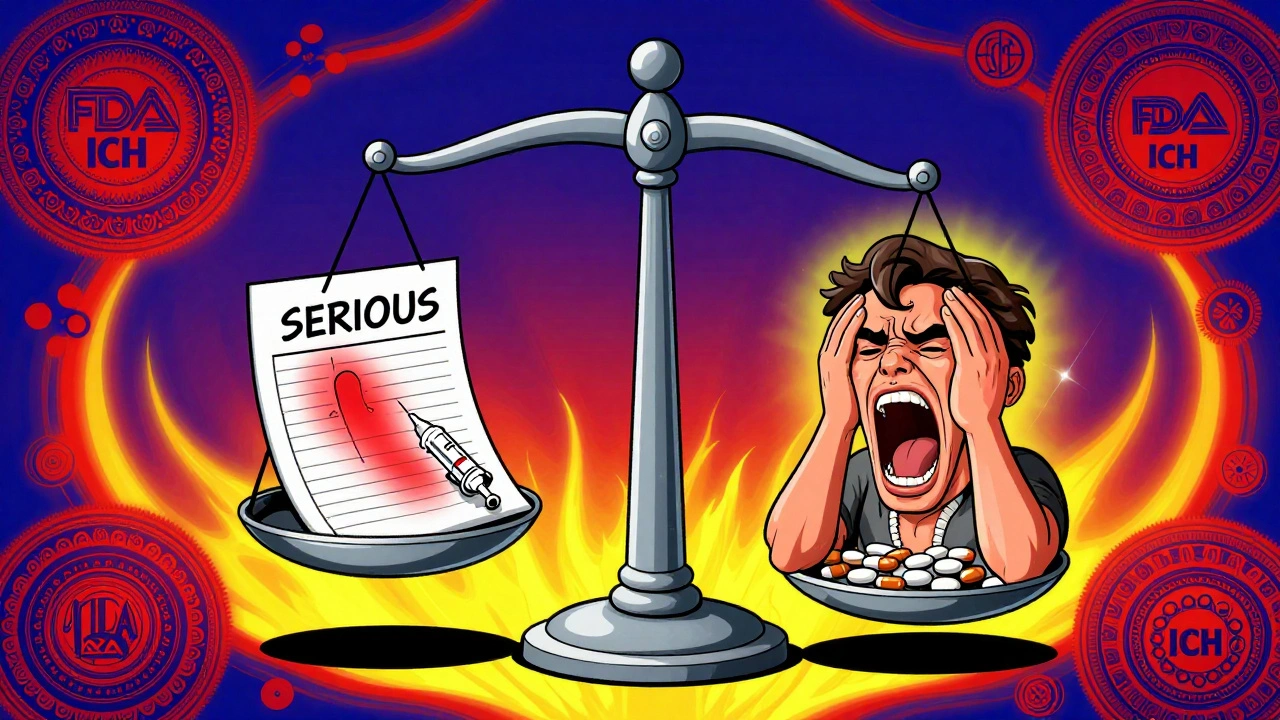
What Happens When You Get It Wrong?
Under-reporting serious events puts patients at risk. Over-reporting non-serious ones? That’s a quiet crisis.The FDA’s Sentinel Initiative has processed over 14.7 million adverse event reports since 2008. Only 18.3% met seriousness criteria. That means more than 8 out of 10 reports are noise. They clog systems, distract safety teams, and delay detection of real signals.
Deloitte estimated that in 2022, $1.89 billion was spent across the pharmaceutical industry on adverse event reporting-and 62.7% of that went to handling non-serious events mislabeled as serious. That’s billions of dollars wasted on paperwork that doesn’t improve safety.
And the cost isn’t just financial. IRBs and safety committees spend hours reviewing reports that don’t need their attention. In the SWOG Cancer Research Network, 31.8% of SAE reports had to be corrected after submission-eating up 18.5 full-time hours per week just fixing errors.
Regulators are taking notice. The EU’s Clinical Trials Regulation (2022) harmonized seriousness definitions across all 27 member states. The FDA’s 2023 draft guidance proposes tiered reporting timelines based on severity within seriousness categories. The goal? Cut the noise. Focus on what matters.
Final Rule: When in Doubt, Report
No, that’s not the right advice.When in doubt, ask. Talk to your safety officer. Review the protocol. Check the ICH E2A guidelines. Use the decision tree. Don’t guess. Don’t assume. Don’t report a bad headache as serious just because the patient was upset.
Every time you report a non-serious event as serious, you’re not being cautious-you’re being careless. You’re diluting the signal. You’re making it harder to find the real dangers.
And every time you miss a serious event? You’re risking lives.
The system works only if everyone gets it right. Not most of the time. Not 80% of the time. Every time.
Is a severe headache a serious adverse event?
No, not unless it leads to hospitalization, brain surgery, or permanent neurological damage. A severe headache is about intensity-not outcome. If the patient just needs ibuprofen and rest, it’s non-serious. Reporting it as serious adds unnecessary noise to safety systems.
Do I report an adverse event if I’m not sure it’s related to the study drug?
Yes. Causality doesn’t matter for reporting seriousness. If the event meets the FDA’s six seriousness criteria, report it immediately-even if you think it’s unrelated. The sponsor and regulators will determine causality later. Your job is to flag potential safety signals.
Can an event be serious without being severe?
Absolutely. A mild rash that triggers anaphylaxis and requires epinephrine is serious-even though the rash itself is mild. Seriousness is based on outcome, not intensity. A patient with a low-grade fever who develops sepsis and ends up in ICU? That’s serious, even if the fever started as mild.
What if a patient goes to the ER but isn’t admitted?
Going to the ER alone doesn’t make an event serious. The key is whether it met one of the six criteria: death, life-threatening, hospitalization, disability, birth defect, or intervention to prevent those. If the ER visit was for observation only and the patient went home, it’s likely non-serious-unless it met another criterion, like life-threatening symptoms.
How often should staff be trained on SAE reporting?
At least once a year. ICH E6(R2) requires initial training before the trial starts, and most top research institutions mandate annual refresher courses. With evolving guidelines and new tools, even experienced staff can fall out of sync. Regular training cuts errors by up to 50%.
Are there tools to help classify serious vs. non-serious events?
Yes. Many sponsors now use AI-powered tools that analyze narrative descriptions of adverse events and suggest seriousness classification based on FDA and ICH criteria. These tools are 89.7% accurate-better than human reviewers. But they’re aids, not replacements. Human judgment is still required for final decisions, especially in complex cases like oncology or psychiatric trials.
Shayne Smith
December 6, 2025 AT 17:03Kumar Shubhranshu
December 6, 2025 AT 21:06Priya Ranjan
December 7, 2025 AT 02:27Annie Gardiner
December 8, 2025 AT 14:56Nava Jothy
December 9, 2025 AT 01:39Myles White
December 11, 2025 AT 01:07olive ashley
December 12, 2025 AT 18:40brenda olvera
December 13, 2025 AT 19:25Ibrahim Yakubu
December 15, 2025 AT 13:19Chris Park
December 16, 2025 AT 11:05Saketh Sai Rachapudi
December 17, 2025 AT 14:26joanne humphreys
December 17, 2025 AT 16:37Ashish Vazirani
December 19, 2025 AT 00:10Mansi Bansal
December 20, 2025 AT 09:16