Author: Lydia Penhaligon - Page 2
-
28 Jan
-
27 Jan

Online Pharmacy Counseling for Generics: How to Get Professional Advice on Affordable Medications
Learn how online pharmacy counseling helps you safely switch to generic medications for up to 85% savings. Get expert advice, compare top services, and avoid common pitfalls with trusted pharmacists. -
26 Jan

Neoadjuvant vs. Adjuvant Therapy: When to Treat Before or After Surgery for Cancer
Neoadjuvant therapy treats cancer before surgery to shrink tumors and test drug response; adjuvant therapy clears leftover cells after surgery. New data shows neoadjuvant chemoimmunotherapy improves survival in lung and breast cancer, changing treatment standards. -
26 Jan

Anal Fissures: Painful Tears and How to Heal Them
Anal fissures are painful tears in the anal lining, often caused by constipation. Most heal with diet, sitz baths, and topical creams. Chronic cases may need Botox or surgery. Learn what works-and what doesn’t. -
24 Jan

Alcohol and Prescription Drugs: Dangerous Interaction Effects
Mixing alcohol with prescription drugs can cause dangerous, even deadly, side effects. Learn which medications are most risky, why doctors often don't warn you, and how to protect yourself. -
20 Jan
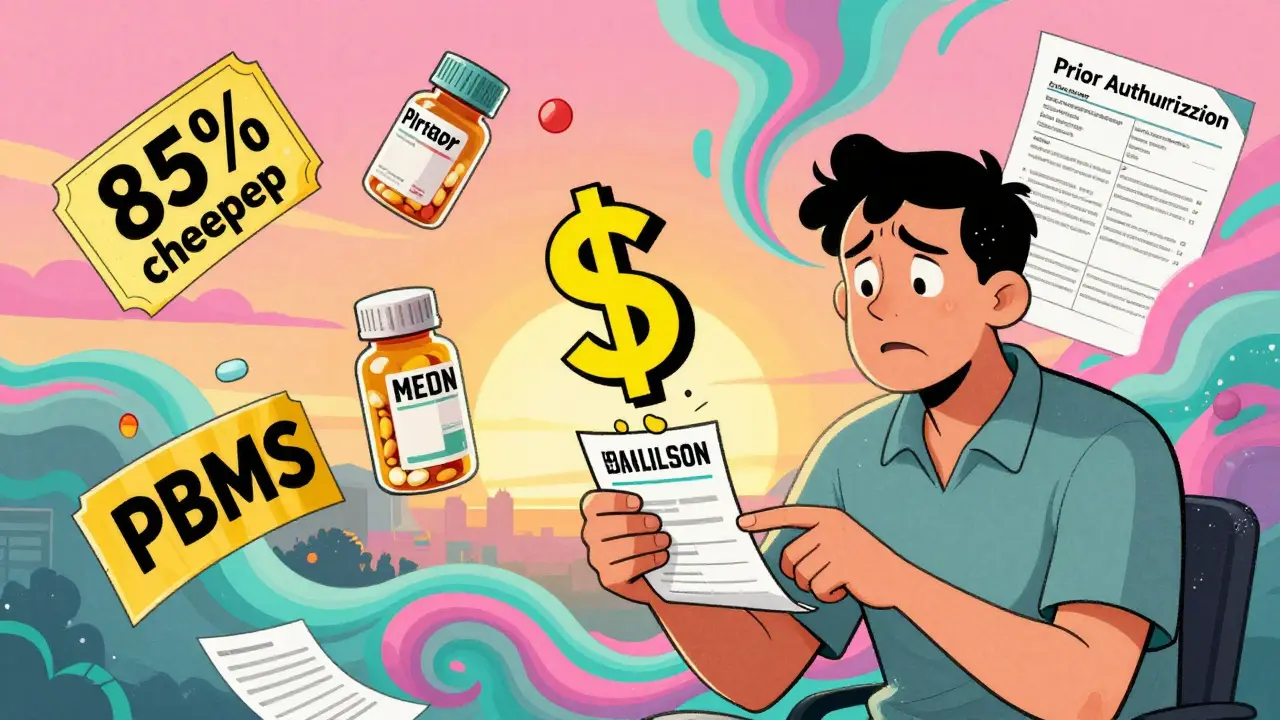
Medication Costs: How Coupons, Generics, and Prior Authorizations Affect Your Out-of-Pocket Expenses
Learn how generic drugs, prescription coupons, and prior authorizations impact your out-of-pocket medication costs in 2026, and what real savings are now possible thanks to Medicare's new price negotiations. -
19 Jan

Wholesale Economics: How Generic Drug Distribution and Pricing Really Work
Generic drugs are cheap for patients, but the real profits go to wholesalers. Learn how the hidden economics of drug distribution works-and why the system favors middlemen over manufacturers. -
18 Jan

How Medications Cross the Placenta and Affect the Fetus
Medications don't just stay in the mother's body - they cross the placenta and reach the fetus. Learn how drug properties, placental transporters, and gestational timing affect fetal exposure and risk. -
17 Jan
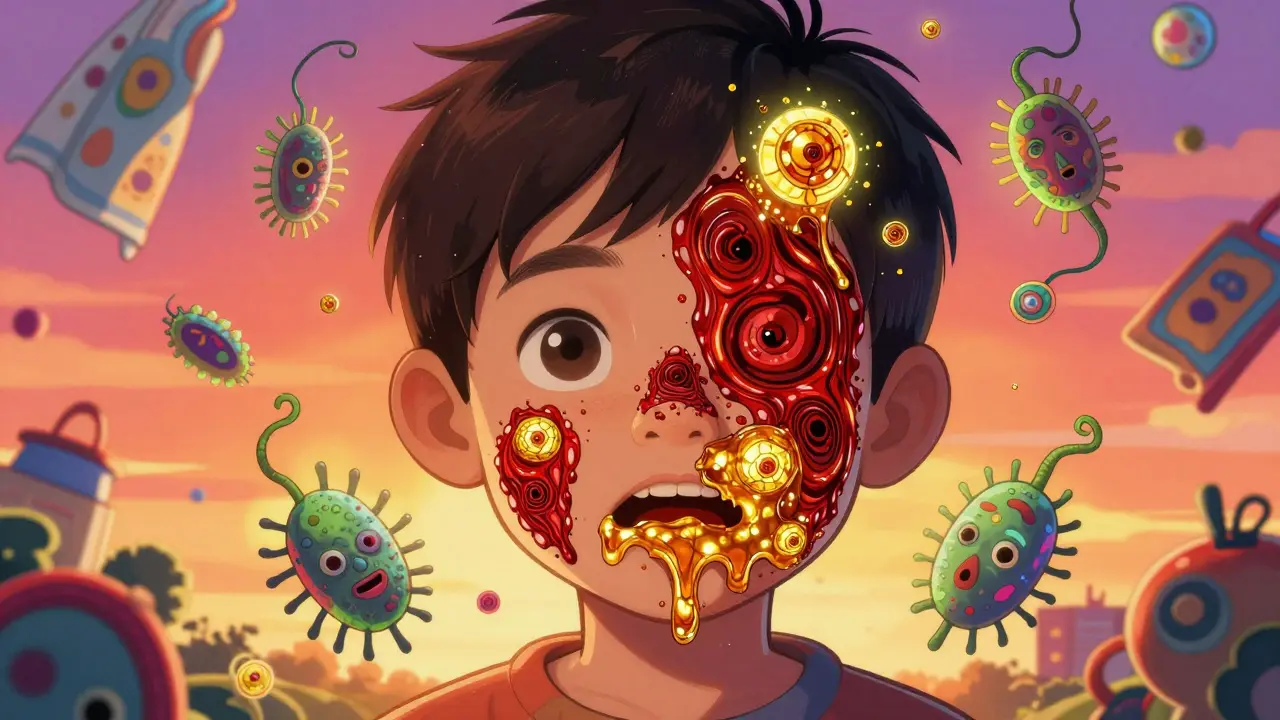
Bacterial Skin Infections: Impetigo, Cellulitis, and Antibiotics Explained
Impetigo and cellulitis are common bacterial skin infections with different causes, symptoms, and treatments. Learn how to tell them apart, which antibiotics actually work, and when to seek urgent care. -
16 Jan
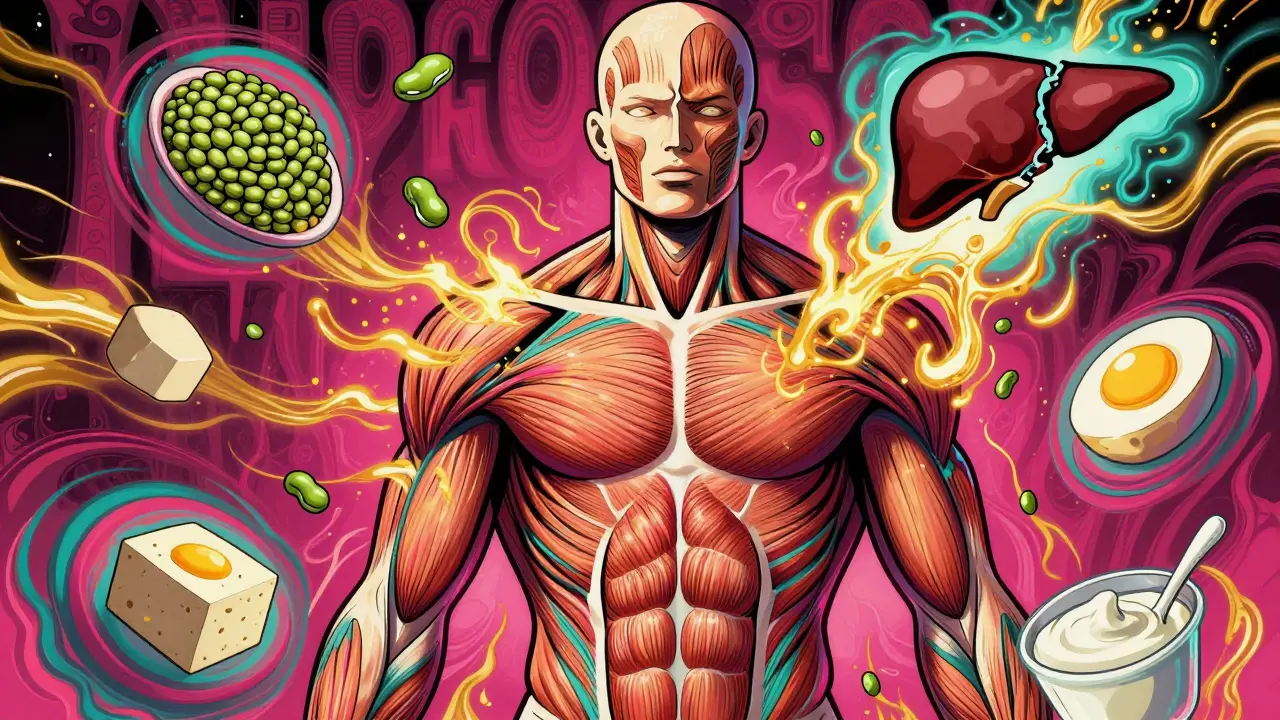
Cirrhosis Nutrition: How to Get Enough Protein to Preserve Muscle and Improve Survival
Learn how proper protein intake prevents muscle loss in cirrhosis, improves survival, and corrects outdated dietary myths. Get science-backed guidelines on protein amounts, sources, meal timing, and supplements. -
15 Jan
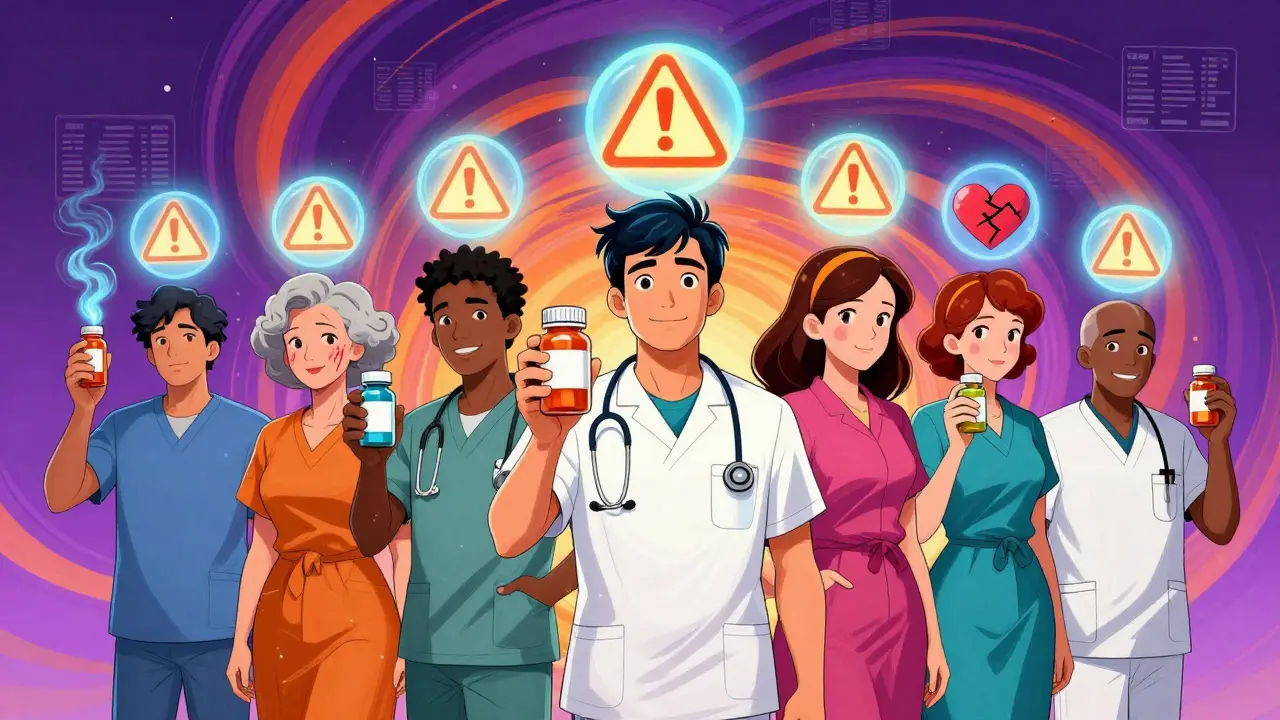
How to Report Adverse Events to the FDA for Medications: A Step-by-Step Guide
Learn how to report adverse drug reactions to the FDA through MedWatch. Step-by-step guide for patients, caregivers, and healthcare providers to help improve medication safety. -
13 Jan

Gastritis and H. pylori Treatment: What You Need to Know Now
Gastritis is stomach lining inflammation, often caused by H. pylori bacteria. Learn how it’s diagnosed, treated with antibiotics, and why ignoring it risks ulcers or cancer. Know the symptoms, treatment options, and what to do next.
- Recent
- Popular