Author: Wellington Osawe
-
1 Apr
-
31 Mar
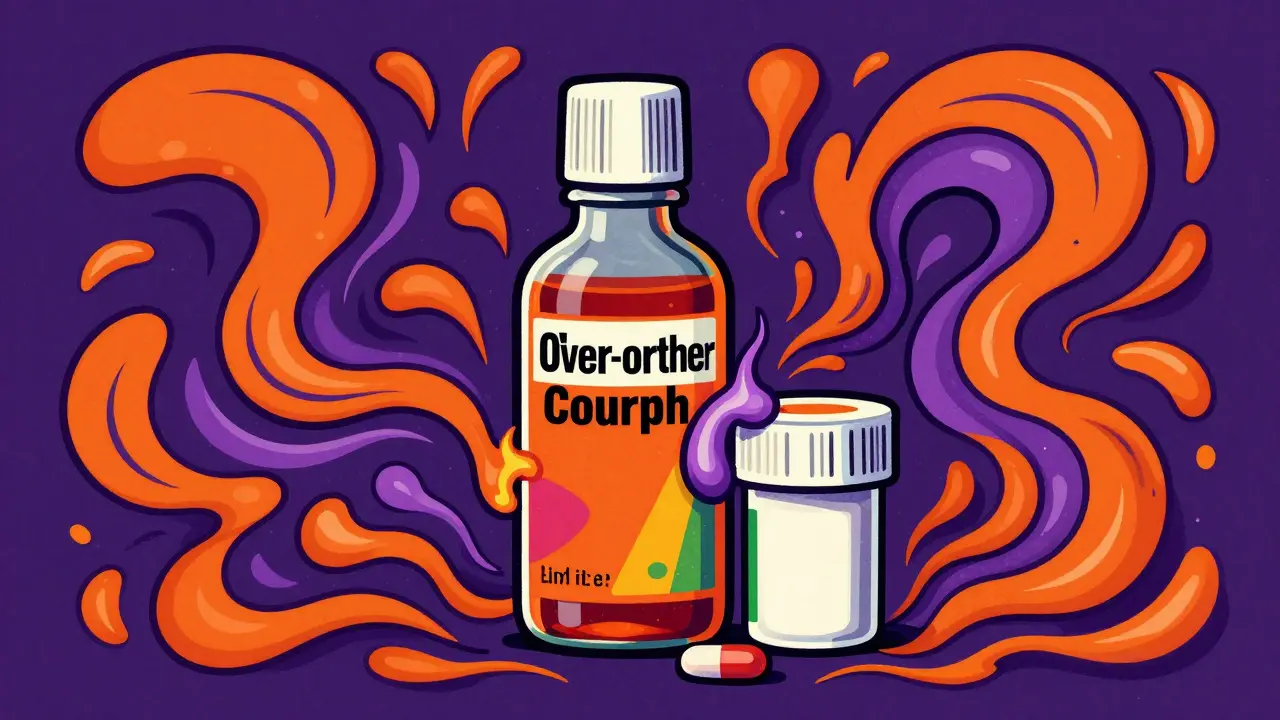
Cough Suppressants and MAOIs: Dextromethorphan Interaction Risks
Discover the life-threatening risks when mixing dextromethorphan cough medicines with MAOI antidepressants. Learn to identify symptoms, safe alternatives, and critical timing rules to prevent serotonin syndrome. -
25 Mar

Blood Pressure Medication Safety for Older Adults: Managing Orthostatic Hypotension Risks
Learn how blood pressure medication affects older adults and how to manage orthostatic hypotension risks safely. This guide covers medication classes, fall prevention, and practical management strategies. -
23 Mar

Global Economics: Generics and Worldwide Healthcare Spending
Generics keep global healthcare spending from spiraling out of control, saving billions annually. Yet access remains unequal, with low-income countries bearing the heaviest burden when these affordable drugs are unavailable. -
18 Mar

Support Groups and Community Programs That Actually Improve Medication Adherence
Support groups and community programs improve medication adherence by providing peer support, practical advice, and emotional encouragement. Studies show they cut hospital readmissions and outperform education-only approaches. -
14 Mar

Cochlear Implants: How Surgical Hearing Restoration Works for Profound Deafness
Cochlear implants restore hearing for people with profound deafness by directly stimulating the auditory nerve. Learn how they work, who qualifies, what surgery involves, and the real-life impact they have. -
9 Mar
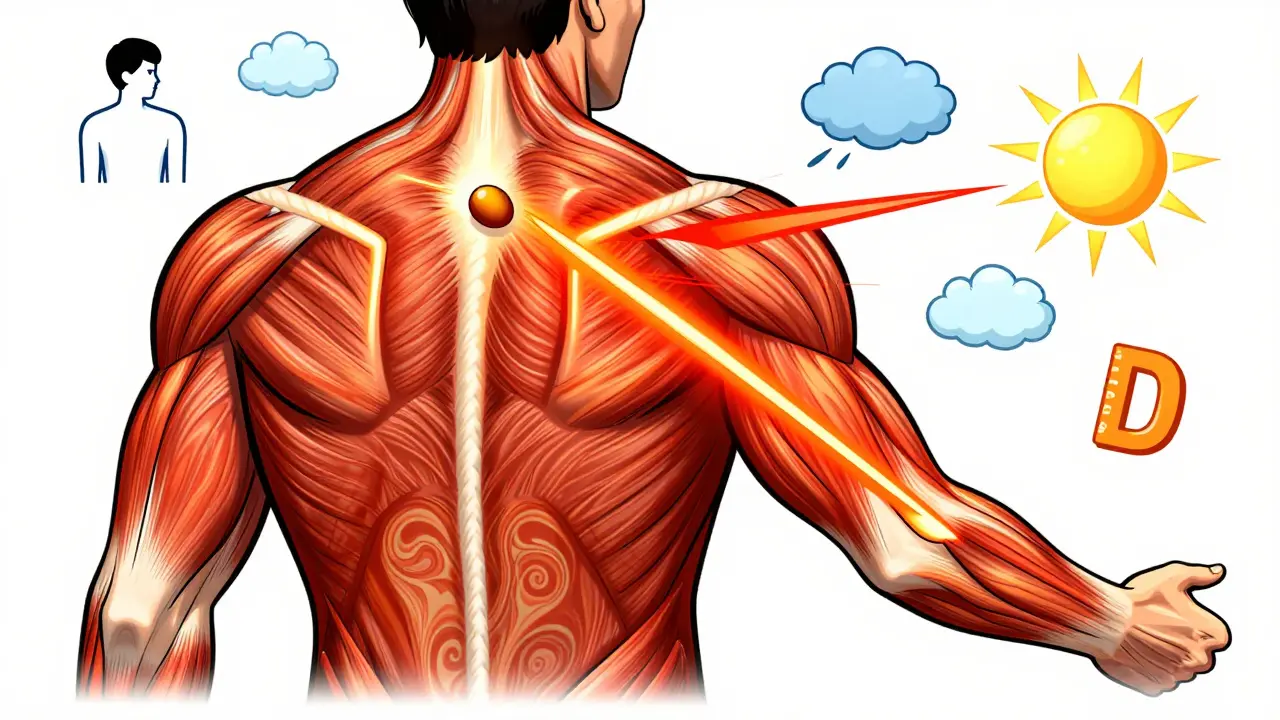
Myofascial Pain Syndrome: Trigger Points and Release Techniques Explained
Myofascial pain syndrome is a common but often misdiagnosed cause of chronic muscle pain. Trigger points-tight knots in muscle tissue-can refer pain far from their location. Learn how to identify them and use proven release techniques like dry needling, ischemic compression, and self-care to find lasting relief. -
4 Mar

Upset Stomach and Heartburn from Medications: Effective Solutions
Many common medications cause heartburn and upset stomach-but the solutions are simple. Learn which drugs trigger these side effects and how to take them safely without quitting your treatment. -
25 Feb

How to Prepare for Allergy Testing for Antibiotic Reactions
Many people think they're allergic to penicillin, but most aren't. Learn how to prepare for antibiotic allergy testing to avoid unnecessary drugs, save money, and reduce antibiotic resistance. -
23 Feb
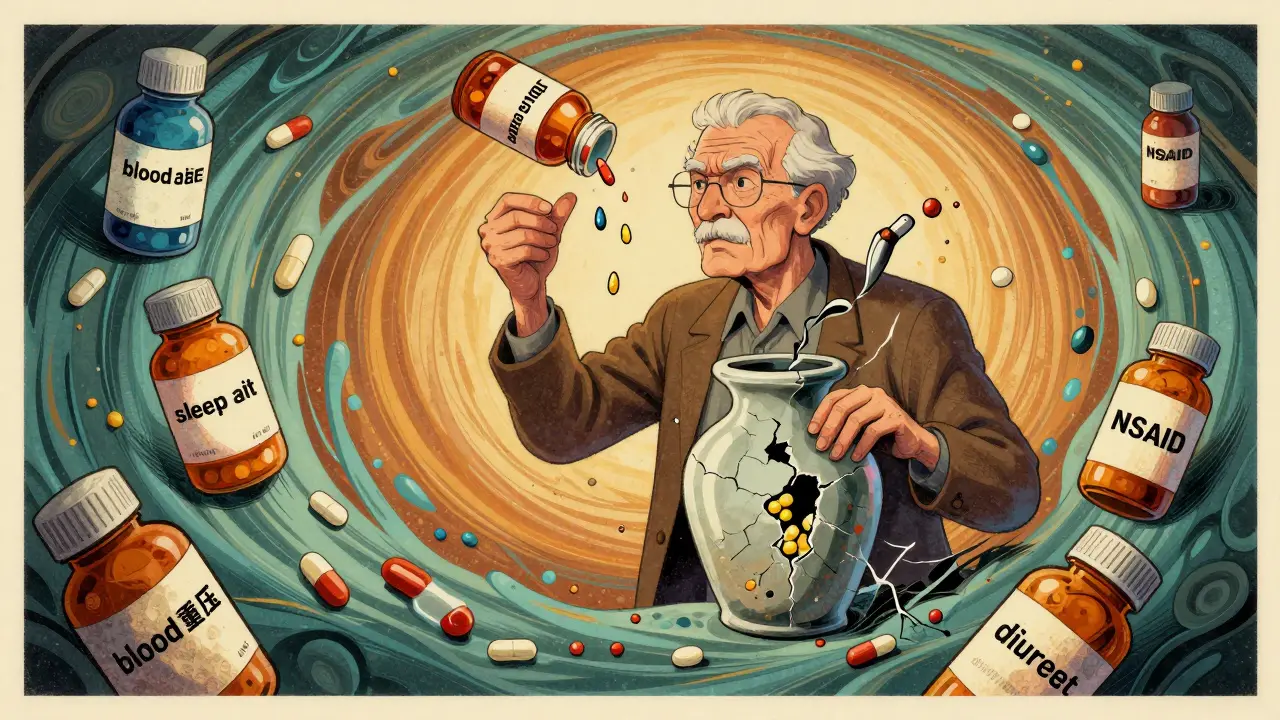
Polypharmacy in Older Adults: Risks, Interactions, and How Deprescribing Can Save Lives
Polypharmacy in older adults is a growing crisis, with 40% taking five or more drugs daily. Learn how dangerous interactions occur and how deprescribing can reduce falls, hospitalizations, and improve quality of life. -
21 Feb
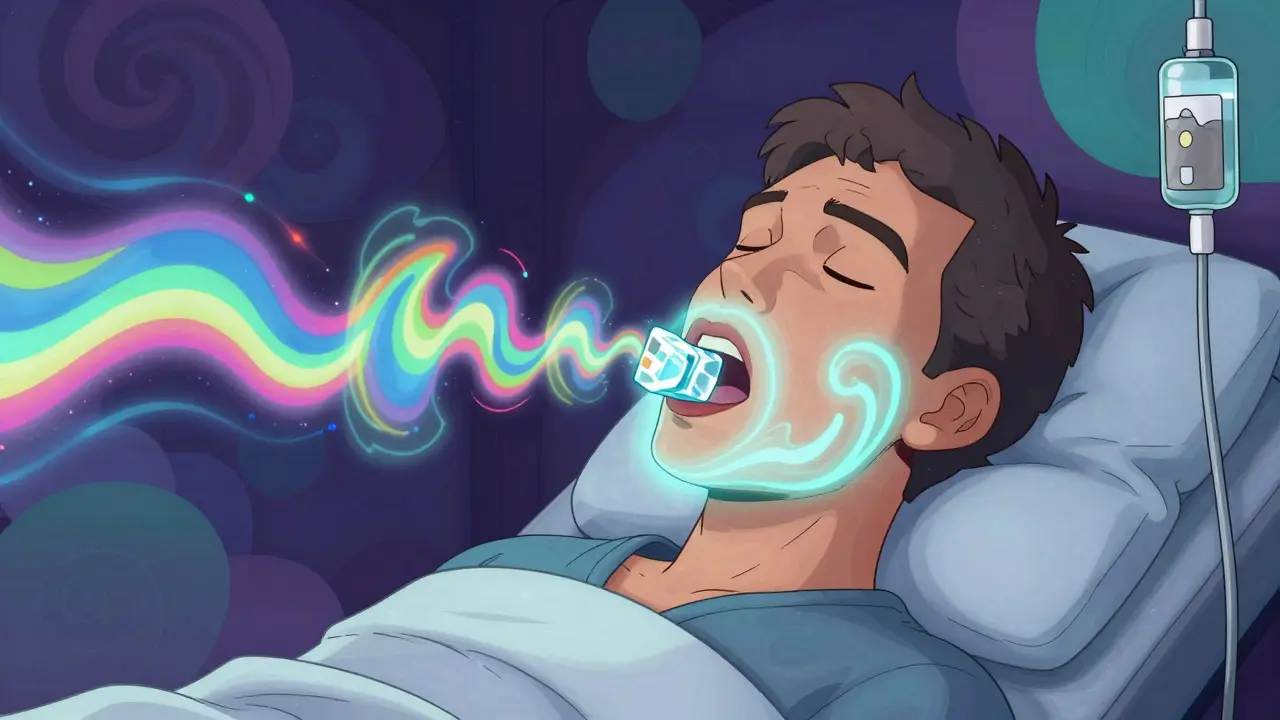
Mouth Sores and Ulcers from Medications: Prevention and Care
Medication-induced mouth sores are common and painful, but preventable. Learn evidence-backed strategies like cryotherapy, benzydamine rinses, and dental prep to avoid or reduce ulcers during chemo and radiation. -
16 Feb
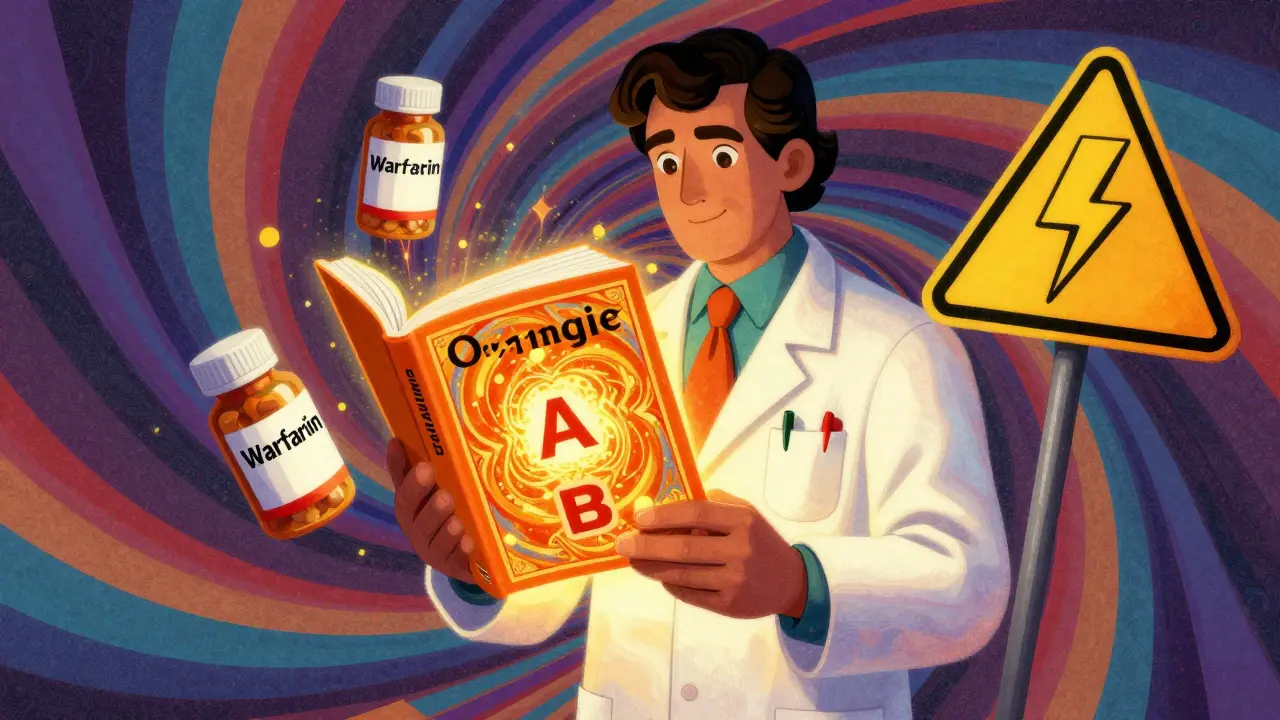
How to Use the FDA Orange Book and Purple Book for Drug Safety Information
Learn how to use the FDA's Orange Book and Purple Book to verify drug safety, spot withdrawn medications, and understand biosimilar approvals. Essential for patients, pharmacists, and clinicians.
- Recent
- Popular